
Desserts
Ree Drummond's pie crust recipe delivers those golden flakes that stay perfectly crisp—no soggy bottoms or tough edges in sight. I remember my Nonna insisting the secret was in the cold butter and quick handling, techniques that hold true today.
This crust is the foundation for everything from her signature pumpkin pie to savory chicken pot pies, and it's easier to make than you think.
The beauty of this recipe lies in its simplicity: just five ingredients and a few minutes of prep. Cold butter creates those signature flakes, while a light touch when rolling prevents shrinking.
I've tested this crust dozens of times—even with my temperamental Boston oven—and it always delivers that restaurant-quality texture. The key is patience and precision, but nothing too technical.
What you'll end up with is a crust that's crisp enough to hold its shape but tender enough to melt in your mouth. The aroma alone will have everyone gathering in the kitchen, and the flaky layers make every bite worth the effort.
This is the kind of crust that transforms a simple dessert into something extraordinary.
Perfect for holiday pies, family gatherings, or even a weeknight treat, this recipe scales beautifully. Whether you're baking a classic apple pie or experimenting with a savory version, the possibilities are endless. Let's get started on creating that perfect crust—just like Ree Drummond would make it.
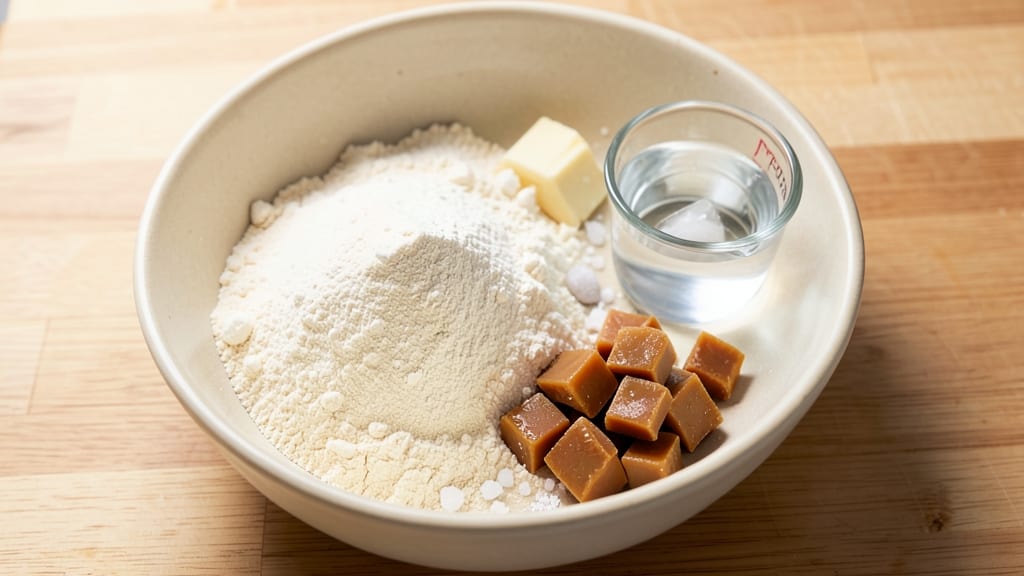
Ingredients for ree drummond pie crust
Five ingredients, perfect golden flakes—just like Ree Drummond makes them.
| Ingredient | Amount | Notes |
|---|---|---|
| All-Purpose Flour 🌾 | 2 ½ cups | Sifted for light texture |
| Unsalted Butter 🧈 | 1 cup | Cold, cubed for flakiness |
| Ice Water 💧 | ½ cup | Chilled for crispness |
| Kosher Salt 🧂 | ½ tsp | Fine grain preferred |
| Granulated Sugar 🍚 | 1 tbsp | Balances flavor |
The butter is non-negotiable here—cold cubes from the freezer (yes, straight from the freezer) give you those signature flakes. European-style butter like Plugrá or Land O'Lakes works best, but any unsalted butter will do. If your kitchen's warm, chill the butter between your hands for a minute before mixing. The flour? King Arthur or Gold Medal are my go-tos—they're reliable and give consistent results. Sift it first to avoid dense crust. And don't skip the ice water—it's what makes this crust crisp instead of tough.
No ice water? Cold water works in a pinch, but it won't be quite as crisp. Short on butter? Lard or shortening at the same amount will give you a more flaky result than oil. The sugar is optional but worth it—it adds a subtle sweetness that balances the salt. If you're making a savory pie, reduce the sugar to 1 teaspoon or skip it entirely. For the salt, Diamond Crystal is my favorite—it's finer and dissolves better than table salt. And if you're worried about the crust shrinking, don't overwork the dough. Handle it as little as possible.
This dough keeps for 3 days wrapped in plastic in the fridge, or 6 months frozen between parchment paper. I like to portion it into two disks before freezing—just thaw between parchment for 15 minutes before rolling. For best results, let the dough rest for 30 minutes before rolling. Trust me on this: the wait makes all the difference. And if you're prepping ahead for a holiday feast, make the dough the night before—it's one less thing to stress about on baking day.
Why You'll Love This Recipe
- No-Fuss Butter Magic: Between us, this crust is the kind that makes you forget you’re even making pie dough. Cold butter cut into flour with your fingers—no food processor, no fuss—then just ice water until it holds. Honestly, I’ve burned dinner waiting for my old method to chill, but this? Ready in 15 minutes, flaky layers guaranteed.
- Sweet-Salty Crisp Edge: That touch of sugar in the butter? Oh, it’s not just for show. It caramelizes just enough to give you this perfect contrast—crispy, golden crust with a whisper of sweetness that balances whatever’s inside. (Yes, even on a Tuesday night when you’re craving something that feels like a hug.)
- Blank Canvas Ready: This crust is my secret weapon for everything. Apple pie? Check. Savory galettes with leftover chicken? Done. Even a weekend brunch quiche—it handles it all without falling apart. I’ll be real: I’ve used it for dessert and breakfast the same week, and no one’s complained.
- Budget-Friendly Staples: Five ingredients, all pantry basics. No weird shortcuts, no overpriced specialty flour—just good old AP flour, butter you already own, and a pinch of salt. I’ve made this for potlucks, holidays, and lazy Sundays, and the best part? The leftovers freeze like a dream for next month’s impromptu dessert night.
Step-by-step instructions for Ree Drummond's pie crust recipe
Here's how to make Ree Drummond's legendary crust—flaky, golden, and foolproof every time.
Cut and Chill the Cold Butter
Take the 1 cup unsalted butter and cut it into ¼-inch cubes using a sharp chef's knife. Place them on a plate and refrigerate for 30 minutes—this ensures they stay cold and firm when you mix them with the flour.
Cold butter is key to that signature flakiness. If your kitchen is warm, pop the butter in the freezer for 15 minutes instead. You want each cube to hold its shape when you handle it—if it feels soft or melts when pressed, return it to the fridge for another 10 minutes.
Mix Dry Ingredients for a Light Texture
In a large bowl, whisk together the 2.5 cups all-purpose flour, ½ teaspoon kosher salt, and 1 tablespoon granulated sugar. Sift the flour first if you have time—this removes lumps and gives you a lighter, more tender crust. Use a fork or whisk to break up any clumps in the sugar.
The sugar isn't just for sweetness—it balances the salt and helps create a slightly crisp edge. I like to press my fingers into the flour mixture to check its texture. It should feel like dry sand, not packed or clumpy. If it's too fine, you risk a tough crust later.
Work the Butter into the Flour
Add the chilled butter cubes to the flour mixture and use a pastry cutter, two forks, or your fingers to work them in. Press down on the butter with your fingers, then lift and repeat—this coats each cube with flour. Aim for a texture like coarse crumbs with pea-sized butter pieces still visible.
Don't overwork this step. You want the butter to stay in chunks so it melts during baking and creates those beautiful flaky layers. If the mixture starts to look like wet sand, add 1 tablespoon more flour to keep it dry. The goal is a crumbly, uneven texture—not a smooth dough.
Add Ice Water Gradually
Slowly drizzle in the ½ cup ice water, 1 tablespoon at a time, using a small measuring cup or spoon. After each addition, gently stir with a fork until the mixture just comes together. You're looking for a dough that holds its shape when pressed but still feels slightly crumbly.
Here's the thing—too much water makes a tough crust, but too little won't bind properly. If the dough feels dry, add 1 teaspoon more ice water. If it's sticky, sprinkle in 1 tablespoon more flour. The dough should gather into a shaggy mass that cleans up the bottom of the bowl when you press it.
Shape and Chill for Perfect Results
Turn the dough onto a lightly floured surface and gently shape it into a 1-inch thick disk. Wrap it tightly in plastic wrap and refrigerate for at least 1 hour (or up to 2 days). This resting period relaxes the gluten and firms up the butter for even baking.
Don't skip the chilling—this is what keeps your crust crisp instead of soggy. If you're in a hurry, pop the dough in the freezer for 20 minutes instead. When you're ready to roll, dust your surface with flour and keep the dough covered to prevent drying. The goal is a smooth, even circle that's about ⅛-inch thick for the perfect pie crust.
Pro Tips For Making Ree Drummond Pie Crust
- CHILL THE BUTTER FIRST: Ree Drummond’s crust calls for cold butter, but don’t just pull it from the fridge—let it sit for 15–20 minutes until it’s just soft enough to press between your fingers. Too soft? Pop it in the freezer for 5 minutes. I learned this the hard way when my crust turned out greasy and flaky in all the wrong ways.
- WEIGH YOUR FLOUR (YES, REALLY): Scooping flour from the bag packs in air, which means your crust will be dry and tough. Use a kitchen scale for 250g of all-purpose flour—tap the measuring cup gently to settle it, then level it off. This small step guarantees a tender, buttery crust that doesn’t crumble apart when you roll it.
- WORK FAST WITH ICE WATER: The recipe says to use ice water, but don’t drip it in like you’re watering a houseplant. Add it one tablespoon at a time while mixing, and stop as soon as the dough just holds together when pressed. Overdo it, and your crust will turn out gummy instead of crisp. Trust your hands—they know better than the recipe.
- REST THE DOUGH (EVEN IF YOU FORGET): Wrap the dough in plastic and let it rest for at least 30 minutes before rolling. I know, I know—you’ve got pies to fill and guests to impress. But skipping this step means the gluten relaxes unevenly, and your crust will shrink in the oven. Set a timer, grab a coffee, and come back to a perfect circle every time.
Flavor customization for these flavors
Sweet Butter Variations
For a richer, more aromatic crust, swap the regular butter for European-style butter like Plugrá or Land O'Lakes European Style. The higher fat content (82-86%) creates extra flakiness. I’ve also had great success with brown butter—cool it completely before cubing to avoid melting during mixing.
This adds a nutty depth perfect for apple or pecan pies. 🧈
Herb-Infused Crusts
Add 1 tablespoon fresh rosemary or thyme leaves to the flour mixture for savory pies like chicken pot pie. For a Mediterranean twist, mix in 1 teaspoon dried oregano or crushed fennel seeds.
The herbs infuse the butter beautifully during baking, adding layers of flavor without overpowering. I love this in shrimp pies or spinach and ricotta combinations.
Gluten-Free Adaptation
Replace the all-purpose flour with a 1:1 gluten-free flour blend like King Arthur Measure for Measure. Add ½ teaspoon xanthan gum to help bind the dough. For extra flakiness, use 1 cup cold coconut oil instead of butter.
Chill the dough for 2 extra hours since gluten-free crusts can be trickier to handle. This works surprisingly well for berry pies or cheesecake crusts.
Spiced Crust Options
For a fall-inspired crust, add ½ teaspoon ground cinnamon and ¼ teaspoon nutmeg to the dry ingredients. This pairs perfectly with pumpkin pie or apple crumble toppings. For a smoky twist, mix in ½ teaspoon smoked paprika—ideal for savory pies like sausage and kale.
I’ve even tried cardamom in a chai-spiced crust for a dessert pie.
Crust for Double-Crust Pies
Make a second crust for top crusts by doubling the recipe. For extra flair, brush the top crust with egg wash (1 egg + 1 tablespoon water) before baking. Cut decorative slits with a fork or knife to allow steam to escape.
I like to sprinkle coarse sugar or crushed nuts on top before baking for added texture. This works beautifully with pecan pies or cherry pies.
Savory Crust Boosts
For savory pies, reduce the sugar to 1 teaspoon or omit it entirely. Add 1 tablespoon grated Parmesan or crumbled bacon to the dough for extra depth. This crust shines in quiche, pot pies, or even breakfast hand pies.
The bacon adds a smoky richness that pairs perfectly with eggs and cheese. 💡
Nutrition facts
Frequently asked questions
Why does Ree Drummond's crust turn out so flaky?
The secret lies in the cold butter cubes and minimal handling. When butter melts during baking, it creates steam pockets between the dough layers, resulting in those signature flakes. Keeping everything cold preserves the butter's shape until the oven does its magic.
Can I make this crust ahead of time?
Shape the dough into a disk, wrap tightly in plastic, and refrigerate for up to 2 days or freeze for 6 months. Thaw in the fridge overnight before rolling. This is perfect for holiday prep—just pull it out when you're ready to bake.
What if my crust shrinks when baking?
Shrinking usually means the dough was too warm or overworked. Always chill the dough for at least 1 hour and handle it gently when rolling. Keep your rolling surface well-floured and avoid pressing too hard. A 9-inch pie plate should yield a crust that fits perfectly.
Can I use this crust for savory pies?
Yes! Reduce the sugar to 1 teaspoon or omit it entirely. Add-ins like Parmesan cheese or crumbled bacon work beautifully for quiches or pot pies. The buttery base provides perfect flavor without overpowering savory fillings.
How do I prevent a soggy bottom?
Pre-bake the crust for 8-10 minutes at 375°F before adding filling, or use a pie crust shield to protect the bottom. For fruit pies, sprinkle the bottom with 1 tablespoon cornstarch before adding filling. This creates a barrier against moisture.