
Desserts
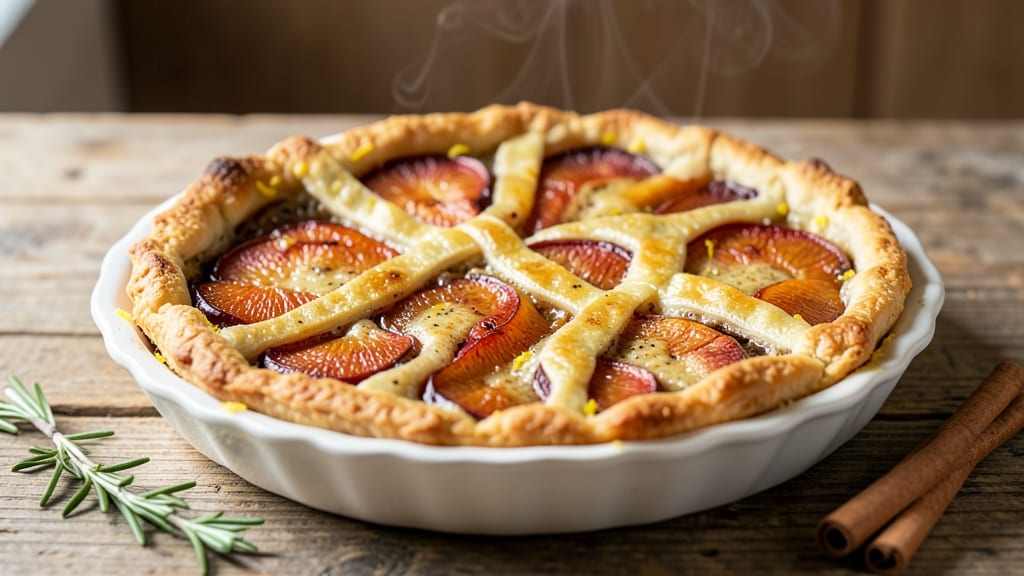
This quince pie recipe transforms tart autumn fruit into a fragrant, spiced dessert that captures the essence of harvest season. Quince, with its floral aroma and honeyed sweetness when cooked, has been a beloved ingredient in Mediterranean and Middle Eastern desserts for centuries—think of it as nature’s spiced jewel.
The key lies in the slow cooking process, where the fruit softens into a velvety texture while developing complex caramelized notes that pair perfectly with a buttery crust.
The recipe begins with preparing the quince—peeling, coring, and simmering the fruit with sugar until it reaches that signature jammy consistency. A classic lattice crust adds both elegance and practicality, allowing steam to escape while keeping the filling tender.
For those who prefer simplicity, a double-crust option works just as well, though it requires precise baking to avoid a soggy bottom.
What you’ll end up with is a pie that smells like autumn—warm cinnamon, nutmeg, and the natural floral sweetness of the quince—with a filling that’s rich, spiced, and just sweet enough to balance its tart origins.
The crust will be golden and flaky, holding up to every slice without crumbling. This isn’t just dessert; it’s a centerpiece for gatherings, a taste of tradition, and proof that patience in cooking yields extraordinary results.
For those unfamiliar with quince, don’t worry—the recipe includes troubleshooting tips for adjusting sweetness and ensuring even baking. And while the classic version relies on spices like cinnamon and cardamom, variations with citrus zest or a splash of brandy can add exciting twists.
Let’s get started on creating a pie that tastes like memories wrapped in a buttery embrace.
Ingredients for quince pie
Six spices, two crusts, and nature’s autumn jewel—this pie captures harvest season in every bite.
| Ingredient | Amount | Notes |
|---|---|---|
| Quince 🍎 | 2 ½ lb | Firm, unblemished fruit preferred |
| Granulated Sugar 🍚 | 2 cups | White or light brown preferred |
| Lemon Juice 🍋 | 2 tbsp | Freshly squeezed for brightness |
| Ground Cinnamon 🌿 | 1 ½ tsp | Freshly ground for warmth |
| Ground Cardamom 🌶️ | ½ tsp | Toasted seeds preferred |
| Unsalted Butter 🧈 | 1 cup | Cold, cubed for crust |
| All-Purpose Flour 🌾 | 2 ½ cups | Sifted for even texture |
| Salt 🧂 | ½ tsp | Fine sea salt preferred |
| Ice Water 💧 | ½ cup | Chilled for dough consistency |
| Vanilla Extract 🍯 | 1 tsp | Pure vanilla preferred |
| Egg Yolk 🥚 | 1 whole | For egg wash |
| Ground Nutmeg 🌶️ | ¼ tsp | Freshly grated for depth |
| Heavy Cream 🥛 | ¼ cup | Optional for custard layer |
Quince is the star here, so choose firm, unblemished fruit—avoid any with soft spots or bruising. Most specialty markets or well-stocked grocery stores carry them in fall, but if you can't find them, Asian markets often stock them year-round. The sugar amount is flexible—start with white sugar for classic sweetness, but a mix of white and light brown adds subtle caramel notes. For the spices, Penzeys or Spicewalla carry high-quality cardamom and nutmeg, but the bulk bins at Whole Foods are a budget-friendly alternative. If you can't find quince, pears or apples work in a pinch, though the flavor will differ slightly.
No cardamom? Allspice or a pinch of clove can mimic its warmth, though it won’t be identical. The vanilla extract is non-negotiable for depth—imitation extracts lack the complexity. For the crust, European-style butter like Plugrá yields the flakiest layers, but any high-fat unsalted butter works. If you’re making a lattice crust, cut strips slightly wider than the gaps to ensure even coverage. The lemon juice is critical for balancing the quince’s natural tartness—don’t skip it, even if your quince tastes sweet. For a custard layer, the heavy cream adds richness, but you can omit it for a simpler filling.
Quince filling keeps for 5 days in the fridge, while the crust stays fresh for 3 days if wrapped tightly. Assemble the pie just before baking to prevent a soggy bottom. For long-term storage, freeze the unbaked pie (wrapped in parchment and foil) for up to 3 months. Reheat slices in a 350°F oven for 10 minutes to restore crispness. The aroma alone will remind you of autumn—worth every minute of prep.
Why You'll Love This Recipe
- Minimal Prep Required: I swear by this—just peel, slice, and toss those firm quinces into a pot with sugar and water. No fancy techniques, no last-minute scrambling. The lemon juice and spices join in later, and honestly, the hardest part is waiting for it to thicken.
- Spiced Perfection: That cardamom-cinnamon blend? It’s like autumn in a pie. Sweet but warm, with a subtle tang from the lemon that keeps it from being cloying—especially when the quince softens into that jammy, fragrant center.
- Holiday or Weeknight: Between us, this pie works for everything. Serve it warm with vanilla ice cream when company’s over, or let it cool and slice it for breakfast toast the next morning. (Yes, even on a Tuesday night.)
- Budget-Friendly Luxury: Quinces are cheap when they’re in season, and a single fruit stretches into a whole pie. Plus, the sugar and spices are pantry staples—no pricey specialty ingredients here. Leftovers? They’re basically free dessert for days.
Step-by-step instructions for quince pie recipe
Transforming firm quince into a fragrant, spiced filling requires patience and precision—here’s how to achieve that perfect balance of sweetness and warmth.
Prepare the Quince Filling
Peel the 2.5 lb quince by scoring the skin with a sharp knife, then rolling it under your palm to loosen the peel. Cut into ½-inch slices and place them in a large pot with 2 tbsp lemon juice and 1 cup water. Bring to a boil, then reduce heat to a simmer for 20 minutes until the quince softens enough to mash easily. Drain, reserving the cooking liquid.
Transfer the cooked quince to a food processor and blend until smooth, scraping down the sides as needed. Return the purée to the pot and stir in 2 cups granulated sugar, 1.5 tsp ground cinnamon, 0.5 tsp ground cardamom, and 0.25 tsp ground nutmeg. Simmer over medium-low heat for 10–15 minutes, stirring often, until the mixture thickens to a jam-like consistency. If it’s too thick, thin with reserved quince liquid; if too thin, simmer longer. The filling should coat the back of a spoon and hold its shape when chilled.
Make the Crust and Assemble the Pie
In a large bowl, combine 2.5 cups all-purpose flour, 0.5 tsp salt, and 1 cup cold, cubed unsalted butter. Cut the butter into the flour using a pastry cutter or your fingers until the mixture resembles coarse crumbs with pea-sized butter pieces. Gradually add 0.5 cup ice water, 1 tablespoon at a time, mixing gently with a fork until the dough just comes together. Avoid overmixing—it should hold when pressed but still feel slightly crumbly.
Divide the dough in half, flatten each piece into a disk, and wrap in plastic. Chill for 30 minutes. Roll out one disk to fit a 9-inch pie dish, pressing it gently into the bottom and up the sides. Trim excess dough, leaving a ½-inch overhang. Pour the quince filling into the crust, smoothing the top with a spatula. Roll out the second dough disk for the top crust, cut a few slits for steam to escape, and place it over the filling. Seal the edges by crimping with a fork or your fingers.
Bake to Golden Perfection
Preheat your oven to 375°F. Brush the top crust with a mixture of 1 whole egg yolk and 1 tsp vanilla extract, then sprinkle lightly with granulated sugar for a subtle sheen. Place the pie on a baking sheet lined with parchment paper to catch any drips. Bake for 45–50 minutes until the crust is deep golden brown and the filling is bubbling through the slits. If the edges brown too quickly, cover them with foil.
For an optional custard layer, whisk 0.25 cup heavy cream with 1 tbsp granulated sugar and 0.5 tsp vanilla extract, then pour it over the hot filling through the slits in the top crust. Return the pie to the oven for 10–15 minutes until the custard sets slightly. Let the pie cool completely on a wire rack before slicing—this ensures clean cuts and allows the flavors to meld.
Serve and Enjoy
Once fully cooled, transfer the pie to a serving plate and slice into 6 equal wedges. The filling should be fragrant with warm spices, slightly firm but yielding when cut. Serve at room temperature, paired with whipped cream or a dollop of crème fraîche if desired. Store leftovers in an airtight container in the refrigerator for up to 5 days, though the aroma alone will likely have it gone sooner.
Pro Tips For Making Quince Pie
- PEEL QUINCES LIKE A PRO: Skip the knife and blisters—use a vegetable peeler after you’ve scored the skin with a sharp knife in a crosshatch pattern. The peel will slide off in sheets, and you’ll save 10 minutes of scrubbing. (Yes, even if you’re impatient like me.)
- COOK QUINCE UNTIL IT BREAKS: Don’t stop at soft—keep stirring that spiced quince mixture until it actually falls apart when you press it with a spoon. Undercooked quince turns to mush later; overcooked? It’ll caramelize into a perfect jammy center. (Your pie crust will thank you.)
- LEMON JUICE FIRST, SUGAR LATER: Toss the sliced quince with lemon juice before adding sugar. This stops browning right away, so your filling stays bright and fresh-tasting. Dump in the sugar last—it’ll dissolve better into the juices. (I learned this the hard way after a gray, sad-looking pie.)
- SKIP THE OVEN TEST: No need to poke the pie with a toothpick—just eyeball it. The filling should be bubbling and the crust should be deep golden, not pale. If the center’s still jiggly, cover it with foil for 10 minutes to finish cooking gently. (Your pie’s not a science experiment.)
Wine and beer pairings for these flavors
Sweet Wine Harmony
The floral, honeyed notes of quince pie demand a wine with equal elegance and depth. A Moscato d’Asti from Piedmont, Italy, is my go-to choice—its light body and delicate bubbles complement the pie’s spiced sweetness without overpowering it.
The natural sweetness mirrors the quince’s caramelized flavor, while the effervescence cuts through the richness of the crust. Serve it slightly chilled (45-50°F) to enhance its refreshing qualities. 🍷
Spiced Red Pairing
For those who prefer red wine, a Gewürztraminer from Alsace offers a surprising match with its lychee and rose aromas. The wine’s subtle spice notes—hinting at clove and cinnamon—echo the cardamom and nutmeg in the pie, creating a cohesive flavor experience.
Opt for a slightly off-dry version to balance the pie’s sweetness. Pair it with a 30-minute decant to let its aromas fully unfold. 🍇
Beer Contrast
A Belgian Dubbel like Westmalle Dubbel provides a bold contrast to the pie’s sweetness. The beer’s dark fruit notes and caramel undertones mirror the quince’s caramelized depth, while its malty bitterness cleanses the palate between bites.
Serve the beer at 50°F to preserve its complexity. For a lighter option, a honey brown ale with notes of vanilla and toffee complements the pie’s spiced filling beautifully. 🍺
Brandy Elevation
While not a beverage pairing per se, a splash of aged brandy (like Cognac or Armagnac) can elevate the pie’s flavors when drizzled over slices. The brandy’s oak and vanilla notes enhance the quince’s natural sweetness and amplify the spices.
Warm the brandy slightly before serving—just 1-2 teaspoons per slice adds a luxurious touch without overpowering the pie. 🥃
Coffee Finale
Finish your quince pie experience with a Turkish coffee or espresso. The coffee’s bitterness and acidity provide a perfect contrast to the pie’s sweetness, while its rich aroma complements the spiced filling.
For an extra touch, sprinkle a pinch of cinnamon on top of the coffee—it ties back to the pie’s warm spices and creates a harmonious ending. ☕
Nutrition facts
Frequently asked questions
Why does quince need to be cooked before using it in pie?
Raw quince is extremely tart and firm—cooking transforms it into a sweet, jammy texture perfect for pies. The slow simmer with sugar breaks down the fruit's natural pectin, creating that signature velvety consistency. Skipping this step leaves your pie tasting harsh and undercooked.
Can I substitute pears or apples for quince in this recipe?
You can try, but the flavor will differ significantly. Pears work best as a partial substitute (mix with quince) since they soften similarly, but apples add more acidity. For authentic taste, quince's floral notes and honeyed sweetness are irreplaceable—it's worth seeking out specialty markets for the real deal.
How do I fix a soggy bottom crust?
Prevent soggy crusts by baking the bottom crust alone for 5-7 minutes before adding filling (called "blind baking"). For an already-made pie, chill it completely, then reheat slices in a 350°F oven for 10 minutes to restore crispness. A lattice crust also helps by allowing steam to escape.
What's the best way to store leftover quince pie?
Wrap tightly in plastic wrap and store in an airtight container for up to 5 days in the fridge. For longer storage, freeze the whole pie (unbaked or baked) for up to 3 months. Thaw overnight in the fridge before serving. The aroma alone makes it worth preserving!
Can I make this pie ahead of time?
The filling can be made 2 days ahead and stored in the fridge. Assemble the pie just before baking to maintain crust crispness. For a make-ahead dessert, bake the pie 1 day ahead and store at room temperature—it actually tastes better after flavors meld overnight.