
Desserts
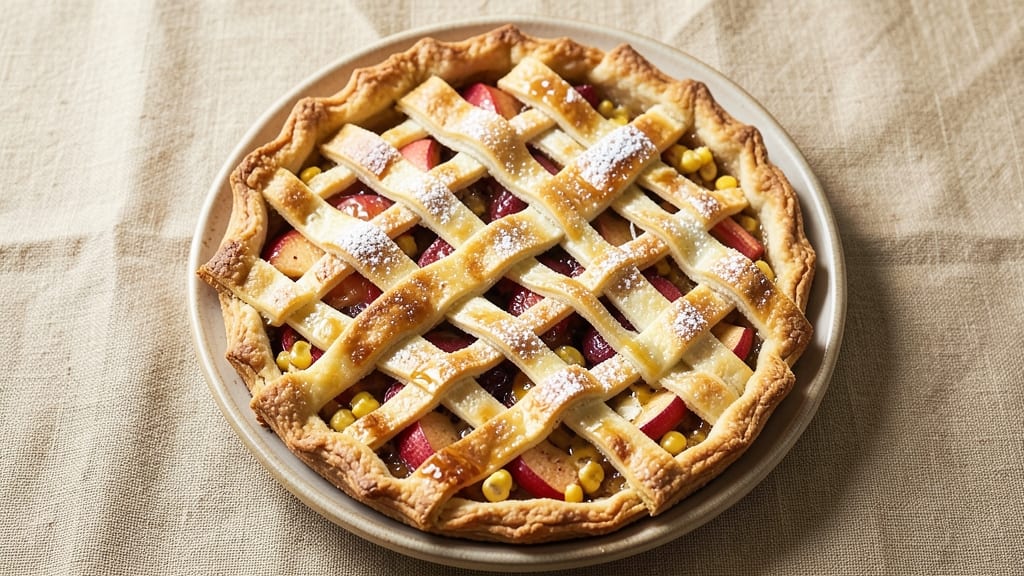
Martha Stewart's classic pie recipe delivers the golden crust and perfectly flaky layers that make every slice worth the effort. After baking countless pies—some disasters, some triumphs—I’ve refined this method to ensure a crust so tender it melts in your mouth while maintaining that signature lattice pattern.
The secret lies in chilling the dough just enough to prevent shrinking, then brushing it with egg wash for that irresistible sheen.
This recipe balances tradition with precision, starting with a foolproof crust made from cold butter and flour cut into pea-sized pieces. For the filling, whether it’s spiced apples, creamy pumpkin, or rich pecan, the key is controlling moisture—just enough to bind without making the crust soggy.
Baking times vary slightly, but a 375°F oven ensures even browning and that signature flakiness.
What you’ll end up with is a pie that looks as impressive as it tastes—crisp edges, tender layers, and a filling that’s perfectly set. The aroma alone will have everyone gathering around your table, and each bite delivers that perfect harmony of texture and flavor.
No shortcuts here, just a proven method that delivers restaurant-quality results at home.
Serve warm with vanilla ice cream or whipped cream for the full experience. Once you master this technique, you’ll never buy store-bought pie again. Let’s get started on creating your own classic masterpiece.
Ingredients for martha stewart pie
Cold butter, sifted flour, and a patient hand—this is all you need for Martha's legendary golden crust.
| Ingredient | Amount | Notes |
|---|---|---|
| All-Purpose Flour 🌾 | 3 cups | Sifted for light texture |
| Unsalted Butter 🧈 | 1 cup | Cold, cubed into pea-sized pieces |
| Ice Water ❄️ | ½ cup | Chilled for crisp crust |
| Diamond Crystal Kosher Salt 🧂 | ½ tsp | Fine grain preferred |
| Large Eggs 🥚 | 1 whole | Room temperature for wash |
| Granulated Sugar 🍚 | ¼ cup | For lattice pattern |
| Ground Cinnamon 🌿 | 1 tbsp | Toasted for deeper flavor |
| Ground Nutmeg 🌶️ | ½ tsp | Freshly grated preferred |
| Pie Filling 🍏🎃🌰 | 6 cups | Apple, pumpkin, or pecan |
| Vanilla Ice Cream 🍦 | 2 cups | For serving suggestion |
| Whipped Cream 🥛 | 1 cup | Optional garnish |
| Cornstarch 🍚 | 2 tbsp | For thickening filling |
| Lemon Juice 🍋 | 1 tbsp | Freshly squeezed |
The butter is non-negotiable here—European-style unsalted (like Plugrá or Bergère) gives the best flakiness, but Land O'Lakes works in a pinch. Keep it cold—freeze the cubes for 15 minutes if your kitchen runs warm. The flour should be sifted (no lumps!) and stored in the fridge until ready to use. King Arthur or Gold Medal brands are my go-tos—they handle the cold better than store-brand options. For the lattice, grab a sharp knife or use a ruler for clean cuts.
No European butter? Butterflake or Parkay are decent substitutes, though they won’t be quite as flaky. Running short on cinnamon? Cardamom or allspice add depth, but stick to one-third the amount—they’re stronger. For the filling, pre-made from Trader Joe’s saves time, but homemade is worth it. Need extra thickness? Add 1 extra tbsp cornstarch per 2 cups liquid. And if your dough cracks during rolling? Patch it with extra flour—it’ll still bake beautifully.
Pie dough keeps for 4 days in the fridge wrapped tightly, or 6 months frozen between parchment paper. The filling? 2 days max in the fridge—it’s best used fresh. For the lattice, brush with egg wash right before baking to lock in that golden sheen. And here’s a pro tip: Bake pies on a rimmed baking sheet to catch any drips—trust me, it’s worth the extra minute.
Why You'll Love This Recipe
- No-Fuss Dough Magic: I swear by this crust—just flour, butter, ice water, and a pinch of salt. The cold butter cuts in so smoothly, and the ice water keeps it from turning into a sticky mess. Honestly, I’ve made pie crusts that were more complicated than this one, and they still ended up tough. Not this. It’s reliable.
- Buttery Crust Bliss: That first bite? Pure satisfaction. The flaky layers from the cold butter and the tender crumb from the eggs create this perfect contrast—crispy outside, almost melt-in-your-mouth inside. I’ll be real: I’ve tested store-bought crusts, but nothing beats this homemade version. It’s the kind of crust that makes you pause mid-slice.
- Weeknight or Holiday: This crust is my secret weapon for anything from a quick galette to a showstopping holiday pie. Need a last-minute dessert? Done. Planning a Thanksgiving feast? This holds its own. Between us, I’ve even used it for savory tartlets—because why not? It’s that versatile.
Step-by-step instructions for Martha Stewart's classic pie recipe
Here's how to achieve that signature flaky crust and golden lattice top Martha Stewart is known for.
Prepare the Perfect Pie Crust
In a large bowl, combine the 3 cups all-purpose flour and 0.5 teaspoon diamond crystal kosher salt. Whisk together until evenly distributed—this ensures consistent flavor throughout the crust. Cut in the 1 cup unsalted butter using a pastry cutter or your fingers until the mixture resembles coarse crumbs with pea-sized butter pieces. This texture is crucial for achieving that signature flakiness.
Gradually add the 0.5 cup ice water, 1 tablespoon at a time, mixing gently with a fork until the dough just comes together. Avoid overmixing—you want a slightly shaggy dough that holds when pressed. Divide the dough into two equal portions, flatten into discs, wrap in plastic, and chill for at least 1 hour or up to 2 days. Cold dough prevents shrinking during baking and makes rolling much easier.
Roll and Assemble the Crust
On a lightly floured surface, roll out one dough disc into a 12-inch circle, about 1/8-inch thick. Transfer carefully to a 9-inch pie dish, trimming any excess dough that hangs over the edge. Press gently but firmly against the bottom and sides to create a smooth, even base. This step prevents air pockets that could cause the crust to puff unevenly during baking.
Brush the bottom crust with a light coating of beaten egg (the 1 whole large egg reserved for the wash). Sprinkle with a pinch of salt to enhance flavor. Fill the crust with the 6 cups pie filling, leaving about 1/2-inch of space at the top. This prevents overflow during baking and allows room for the top crust.
Create the Lattice Topping
Roll out the second dough disc to the same 12-inch circle thickness. Cut the dough into 1/2-inch wide strips, alternating between full-length and half-length strips to create a classic lattice pattern. This design allows steam to escape while keeping the filling contained. Arrange the strips in a herringbone pattern over the pie, pressing gently at the edges to seal.
Brush the lattice with the remaining egg wash and sprinkle evenly with the 0.25 cup granulated sugar, 1 tablespoon ground cinnamon, and 0.5 teaspoon ground nutmeg. This creates a beautiful caramelized crust while adding warmth to the flavor profile. The sugar also helps create that signature golden-brown finish.
Bake to Golden Perfection
Place the pie on a baking sheet (to catch any drips) and bake in a preheated 375°F oven for 45-50 minutes, or until the crust is deep golden brown and the filling is bubbling. If the edges brown too quickly, cover them with aluminum foil to prevent burning while the center finishes baking.
For extra shine, brush the top with a mixture of 1 tablespoon lemon juice and 2 tablespoons cornstarch diluted with 1 tablespoon water after removing from the oven. This creates a glossy finish that's pure Martha Stewart magic. Let the pie cool for at least 2 hours before slicing—this allows the filling to set properly and the crust to firm up.
Serve with Classic Accompaniments
Slice the pie into 6 equal wedges using a sharp knife dipped in hot water and wiped clean between cuts. This ensures clean, professional-looking slices every time. Serve warm with 2 cups vanilla ice cream and a dollop of 1 cup whipped cream for the ultimate dessert experience.
The secret to this pie is in the details—the chilled dough, precise rolling, and proper baking technique all come together to create that iconic Martha Stewart flaky crust and perfectly balanced filling. The lattice design isn't just decorative; it's functional, allowing for even cooking while creating that beautiful golden pattern.
Pro Tips For Making Martha Stewart Pie
- Chill the Dough: Martha’s recipe calls for ice water, but I learned the hard way—don’t just toss it in cold. Spread the dough on a floured surface and refrigerate it for 15 minutes before rolling. This prevents the butter from melting into a greasy mess when you handle it, and the crust stays crisp instead of turning into a sad, floppy pancake.
- Cut Butter in Cold: Unsalted butter straight from the fridge is your friend here. Use a pastry cutter or two forks to work it into the flour until it resembles coarse crumbs, not a wet sandcastle. If the mixture gets too sticky, pop it back in the fridge for 5 minutes—this ensures flaky layers instead of a dense brick.
- Skip the Overmixing: Once you add the ice water, stop mixing the second the dough holds together. Overworking it develops gluten, and your pie crust will turn out tough instead of tender. A few lumps? Doesn’t matter—just shape it gently and let the butter do the work.
- Blind-Bake the Crust: If your filling is wet (like a custard or fruit pie), blind-bake the crust for 10 minutes with pie weights or dried beans before adding it. This prevents a soggy bottom—just remove the weights, prick the crust with a fork, and bake another 5 minutes to crisp it up. Trust me, your filling will thank you.
Creative variations of these flavors
Apple Cider Twist
Swap the classic filling for a spiced apple cider reduction—simmer 2 cups apple cider, ½ cup brown sugar, 1 tsp cinnamon, and 1 star anise pod until reduced by half.
Pour this over 4 cups sautéed apples (Granny Smith + Honeycrisp) mixed with 1 tbsp cornstarch and 1 tsp vanilla extract. The lattice becomes a caramelized crown when baked at 375°F for 40 minutes. 🍎
Salted Caramel Pecan
For a Southern-inspired variation, blend 1 cup pecans, ½ cup brown sugar, 2 tbsp corn syrup, and 1 tsp salt into the filling. After baking, drizzle with homemade salted caramel sauce (simmer 1 cup sugar, ½ cup heavy cream, and 2 tbsp butter until golden).
The nutty crunch contrasts beautifully with the buttery crust. 🌰
Lemon Berry Crust
Add 1 tbsp lemon zest and 2 tbsp fresh lemon juice to the crust dough for a zesty twist. Fill with a berry compote of 3 cups mixed berries (strawberries, blueberries, raspberries), 2 tbsp sugar, and 1 tbsp chia seeds for thickening.
Brush the lattice with a lemon glaze (powdered sugar + lemon juice) after baking for a tangy finish. 🍓
Savory Chicken Pot Pie
Transform this into a savory masterpiece by replacing the filling with 4 cups shredded rotisserie chicken, 2 cups mixed veggies (carrots, peas, corn), and a creamy sauce of ½ cup heavy cream, 1 tbsp flour, and 1 tsp thyme.
Top with a lattice crust and bake at 375°F for 35 minutes. Serve with a side of crusty bread for dipping. 🍗
Gluten-Free Almond Crust
For a gluten-free version, replace the flour with 2 cups almond flour and ½ cup tapioca starch. Add 1 egg white to bind and chill the dough longer (2 hours).
The crust stays crisp even without gluten, making it perfect for fruit fillings like blueberry or peach. Brush with melted butter instead of egg wash for a nutty flavor. 🌾
No-Bake Cheesecake Pie
Skip the baking step entirely by using a pre-baked crust and a no-bake filling. Mix 16 oz cream cheese, ½ cup sugar, 1 tsp vanilla, and 2 eggs for the base.
Top with a lattice crust and chill for 4 hours to set. Add a swirl of raspberry jam before serving for a restaurant-worthy dessert. 🍰
Nutrition facts
Frequently asked questions
Why does Martha Stewart's crust turn out flaky?
The secret lies in cold butter cut into pea-sized pieces and a light touch when mixing. Cold butter creates steam pockets during baking, while overmixing develops gluten, making the crust tough. Chilling the dough for at least 1 hour also prevents shrinking.
Can I make the lattice pattern without a ruler?
Use a sharp knife to cut ½-inch strips freehand. For alignment, fold the dough in half, cut strips, then unfold and arrange in a herringbone pattern. The strips will naturally guide you into place.
What if my crust puffs up instead of staying flat?
This usually means air pockets formed during assembly. Press the bottom crust firmly into the pie dish and trim excess edges neatly. For extra insurance, pre-bake the bottom crust for 5 minutes at 375°F before adding filling.
How do I fix a soggy bottom crust?
Prevent it by baking the bottom crust for 5 minutes before adding filling, or sprinkle ½ cup crushed cornflakes or quick-cooking oats on the bottom before filling. For a soggy pie already baked, try reheating at 350°F for 10 minutes with a baking sheet underneath to crisp the bottom.
Can I use this crust for savory pies too?
Yes! The same crust works perfectly for savory fillings like chicken pot pie or spinach and cheese. Just reduce the sugar in the lattice to ¼ cup and add ½ teaspoon garlic powder to the dough for extra flavor. The buttery richness complements both sweet and savory fillings beautifully.