
Desserts
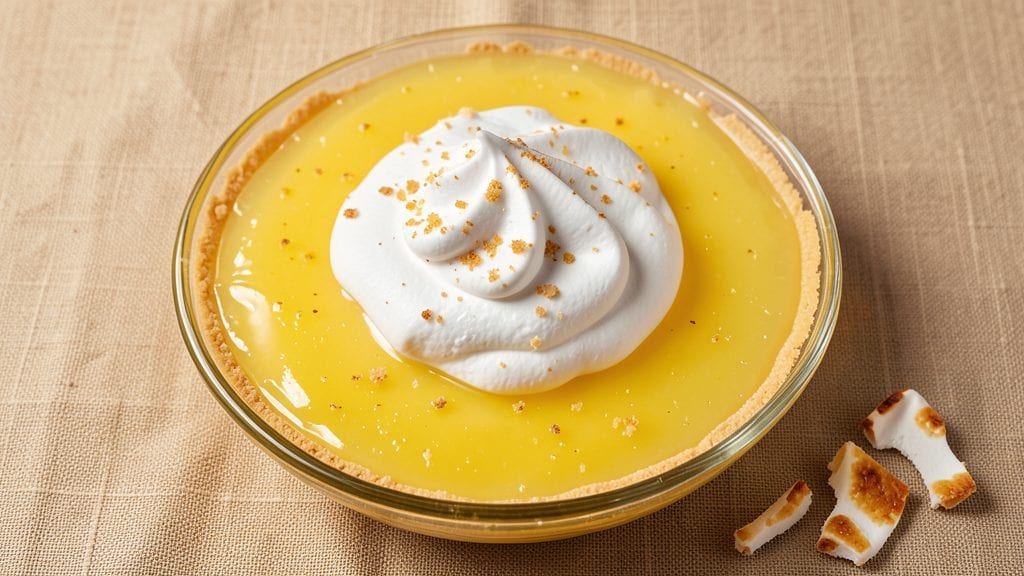
This Jello classic lemon meringue pie recipe delivers the perfect balance of tangy lemon curd, silky gelatin layers, and fluffy meringue—all while staying firmly set overnight.
The secret lies in precise layering and baking techniques that prevent the dreaded "soggy bottom" while keeping the Jello layer vibrant and the meringue toasted to golden perfection. I've perfected this recipe through years of holiday baking, ensuring every slice delivers that signature wobble without collapsing.
What sets this version apart is the foolproof method for combining the gelatin layer with lemon filling, creating a stable base that holds its shape even after chilling.
The lemon curd is bright and tangy, while the meringue topping develops a beautiful caramelized crust when torched—just like your grandmother's pie, but with modern precision.
Ready in about 2 hours (including chilling time), this dessert is ideal for potlucks, family gatherings, or when you simply crave a classic with a nostalgic twist.
The result is a pie with three distinct textures: the smooth, slightly chewy Jello layer, the creamy lemon curd filling, and the light, airy meringue on top.
Each bite offers a harmonious blend of sweet, tart, and rich flavors, with the gelatin providing that signature "wobble" that makes this pie unforgettable. The key is baking the meringue just until it's set but still tender, then letting it develop its toasted flavor during chilling.
Serve this pie chilled for at least 4 hours to allow all the flavors to meld and the gelatin to set properly. Garnish with extra lemon zest or a dusting of powdered sugar for a professional finish.
Whether you're hosting a dinner party or just treating yourself, this classic lemon meringue pie is sure to impress—without the stress of traditional pie crusts.
Ingredients for jello classic lemon meringue pie
Classic dessert ingredients with a modern twist—precise measurements ensure perfect wobbly layers every time.
| Ingredient | Amount | Notes |
|---|---|---|
| Unflavored Gelatin 🍮 | ¾ oz | Powdered, high-quality preferred |
| Hot Water 💧 | 1 cup | Boiled and cooled slightly |
| Lemon Juice 🍋 | ½ cup | Freshly squeezed, no pulp |
| Granulated Sugar 🍬 | 1 ½ cups | White, fine grain preferred |
| Egg Yolks 🥚 | 4 whole | Large, room temperature |
| Egg Whites 🥚 | 5 whole | Large, room temperature |
| Cornstarch 🌾 | 2 tbsp | For thickening lemon curd |
| Salt 🧂 | ¼ tsp | Fine sea salt preferred |
| Lemon Zest 🍋 | 1 tbsp | Fresh, finely grated |
| Heavy Cream 🥛 | ½ cup | Cold, full-fat preferred |
| Vanilla Extract 🌸 | ½ tsp | Pure, high-quality |
| Cream of Tartar 🍯 | ¼ tsp | For stable meringue |
| Powdered Sugar 🍬 | 1 cup | For meringue |
| Lemon Extract 🍋 | ¼ tsp | Optional, for extra flavor |
The gelatin is the foundation, so high-quality unflavored powder is critical—avoid the pre-gelatinized kind. Knox brand is reliable, and you'll find it in the baking aisle or near Jell-O mixes. For the lemon juice, freshly squeezed is non-negotiable—bottled lacks brightness. The sugar should be fine grain to dissolve smoothly into the curd. Eggs must be room temperature to whip properly; take them out 30 minutes before starting. If you're short on yolks, pasteurized liquid egg yolks work in a pinch, but texture may vary slightly.
No fresh lemons? Bottled lemon juice with no added sugar suffices, but add an extra 0.25 tsp lemon zest for depth. For the meringue, cream of tartar stabilizes the whites—skip it, and you risk deflation. Powdered sugar should be sifted for smooth incorporation. If you prefer a less sweet meringue, reduce the powdered sugar to 3/4 cup and add 0.25 cup granulated sugar instead. For a richer curd, replace 0.25 cup heavy cream with the same amount of whole milk, but expect a slightly lighter texture.
The gelatin mixture must cool to room temperature before adding lemon filling to prevent premature setting. Store any leftover gelatin powder in an airtight container in a cool, dry place for up to 6 months. Egg whites can be refrigerated in their shells for 3 days post-whipping if covered tightly. The assembled pie should be refrigerated for at least 4 hours before slicing—this allows the gelatin to fully set and the meringue to develop its toasted flavor. Serve within 3 days for optimal texture, though the meringue may soften slightly over time.
Why You'll Love This Recipe
- No Egg Waste: I save those extra yolks from scrambled eggs or omelets—no need to buy special ingredients. Just whisk them into the custard, and boom, that velvety texture is foolproof.
- Citrus Zing: That bright lemon juice cuts through the sweetness like a refreshing breeze. The gelatin layer gives it a fun, wobbly texture—like a dessert that’s both nostalgic and unexpected.
- Budget Dessert Star: A single box of gelatin and a few eggs stretch to serve six. Perfect for potlucks where you don’t want to bring a fussy pie—just slice, serve, and watch it disappear.
- Make-Ahead Magic: Prep the base the night before, and by dessert time, it’s chilled and ready. Honestly, I’ve made this for Thanksgiving leftovers, summer picnics, and even a last-minute office party—no stress.
Step-by-step instructions for classic lemon meringue pie
Here's the method for a timeless dessert with perfectly set gelatin layers and glossy meringue.
Prepare the Lemon Gelatin Base
In a medium bowl, sprinkle the 0.75 oz unflavored gelatin evenly over the 1 cup hot water. Let it bloom for 5 minutes until completely dissolved and clear. This step ensures even distribution of gelatin throughout the mixture.
In a separate saucepan, combine the 0.5 cup lemon juice, 1.5 cups granulated sugar, and 1 tbsp lemon zest. Bring to a gentle boil over medium heat, stirring constantly until the sugar fully dissolves. Remove from heat and whisk in the bloomed gelatin until smooth. The mixture should be clear and slightly thickened.
Create the Lemon Curd Filling
In a heatproof bowl, whisk together the 4 whole egg yolks, 2 tbsp cornstarch, 0.25 tsp salt, and 0.5 tsp vanilla extract until smooth. Slowly pour the hot lemon mixture into the egg yolk mixture while whisking continuously. Return the entire mixture to the saucepan and cook over low heat, stirring constantly with a wooden spoon or silicone spatula.
Continue cooking until the mixture thickens enough to coat the back of a spoon (about 8-10 minutes). You'll notice it will go from runny to a glossy, pudding-like consistency. Remove from heat immediately to prevent curdling. Stir in the 0.5 cup heavy cream and 0.25 tsp lemon extract (if using) for added richness and lemon flavor.
Assemble the Pie Crust and Filling
Roll out your prepared pie crust and fit it into a 9-inch pie dish. Trim excess dough, leaving a ½-inch overhang. Crimp the edges neatly with a fork. Pour the lemon curd mixture into the crust, spreading it evenly. The filling should reach about ¼-inch below the pie dish rim to allow room for meringue.
Place the pie in the refrigerator and chill for at least 2 hours or until the filling is completely set. This chilling step is crucial for the gelatin to fully set and create that classic wobbly texture. The filling should be firm enough to hold its shape when gently shaken.
Prepare the Meringue Topping
Preheat your oven to 350°F. In a clean, grease-free bowl, beat the 5 whole egg whites with the 0.25 tsp cream of tartar until soft peaks form. Gradually add the 1 cup powdered sugar, beating until stiff, glossy peaks form. The meringue should hold its shape when the beaters are lifted.
Spread the meringue evenly over the lemon filling, sealing it completely to the crust edges to prevent browning. Use the back of a spoon to smooth the meringue into an even layer. Bake for 10-12 minutes until the meringue is golden brown and puffed. Watch closely to avoid overbrowning.
Cool and Serve
Remove the pie from the oven and let it cool completely on a wire rack. This gradual cooling prevents the meringue from weeping and ensures the gelatin layers set properly. Once fully cooled, refrigerate for at least 4 hours or overnight before serving.
The pie should have a smooth, glossy meringue on top and a wobbly lemon filling that's neither too firm nor too runny. Cut into wedges with a sharp knife, wiping the blade between slices to ensure clean cuts. Serve chilled for the perfect balance of tangy lemon and sweet meringue.
Pro Tips For Making Jello Classic Lemon Meringue Pie
- Bloom the gelatin right: Sprinkle that unflavored gelatin over cold water first—not hot—then let it sit for 5 minutes until it looks like tiny jelly blobs. I learned this the hard way after clumps ruined three batches. Trust me, the texture of your lemon layer will thank you.
- Strain the lemon juice: Use freshly squeezed lemon juice and strain it through a fine-mesh sieve to remove seeds and pulp. That gritty texture is a dealbreaker in a silky-smooth filling. (Yes, even if you’re impatient like me—just squeeze it first, then strain.)
- Temper those egg yolks: Whisk your egg yolks with sugar slowly while pouring in the hot gelatin mixture in a thin stream. Dumping it all at once? You’ll end up with scrambled eggs instead of custard. Go slow—this isn’t a race.
- Chill the pie flat: Place your assembled pie on a baking sheet before refrigerating. The meringue will crack if it shrinks unevenly, and nobody wants a sad, lopsided top. Flat surface = happy meringue. (And yes, this is the part where you resist the urge to peek.)
Common mistakes when making this dish
Overbaked Meringue
Watch the meringue like a hawk—it can go from golden perfection to burnt in 2 minutes at 350°F. I’ve ruined meringue by taking my eyes off the oven, so I set a timer for 10-12 minutes max and check every 2 minutes.
If the edges start browning too fast, tent loosely with aluminum foil to slow browning while keeping the center soft. 🔥
Under-Chilled Filling
Rushing the 2-hour chilling time before baking the meringue is a surefire way to end up with a runny mess. The gelatin needs time to fully set, especially in cooler kitchens.
I’ve learned the hard way—if the filling isn’t firm when you test it (gently shake the pie dish), return it to the fridge for another 30-60 minutes. Patience here prevents a soggy bottom.
Uneven Gelatin Distribution
Sprinkling gelatin powder unevenly over hot water creates clumps that never fully dissolve, leading to grainy texture. I use a fine-mesh sieve to distribute the 0.75 oz gelatin evenly over the water, then let it bloom for 5 minutes undisturbed.
Stirring too soon or using cold water will leave you with lumps—trust the process.
Overmixed Lemon Curd
Whisking the egg yolks and hot lemon mixture too vigorously introduces air, which can cause the curd to curdle or separate. I stir gently with a silicone spatula until just combined, then switch to a wooden spoon for the final 8-10 minutes of cooking.
Overmixing is the #1 reason for a grainy or broken curd—keep it smooth and steady.
Meringue Not Sealed
Gaps between the meringue and crust edges let air in, causing the filling to brown or weep. I use the back of a spoon to press the meringue firmly against the crust all the way around.
For extra insurance, I dip my finger in water and trace the edge before spreading—this creates a moisture barrier that prevents browning. 💡
Skipping the Torch
While the oven browning gives meringue color, a kitchen torch adds that restaurant-quality caramelized finish. I use a butane torch to lightly toast the meringue’s surface after baking—just 10-15 seconds per section.
This step adds depth without overcooking. If you don’t have a torch, broil for 1-2 minutes, but watch closely to avoid burning.
Nutrition facts
Frequently asked questions
Can I make this pie without a traditional crust?
For a no-crust version, use a 9-inch springform pan lined with plastic wrap. Pour the gelatin-lemon mixture into the pan, chill until set, then top with meringue and bake as directed. The gelatin layer will hold its shape without crust support. For extra stability, add a thin layer of whipped cream between the gelatin and meringue.
How do I prevent the gelatin layer from turning cloudy?
Cloudiness happens when gelatin isn't fully dissolved or the mixture cools too quickly. Always bloom the 0.75 oz gelatin in hot water for 5 minutes undisturbed, then whisk it into the warm (not boiling) lemon mixture. Let the entire filling cool to room temperature before chilling in the fridge to maintain clarity.
Can I substitute regular Jell-O for the unflavored gelatin?
Not recommended—regular Jell-O contains sugar and flavorings that alter the delicate balance of this recipe. Unflavored gelatin gives you complete control over sweetness and tartness. If you must use Jell-O, reduce the sugar to 1 cup and add 0.25 tsp extra lemon zest to compensate for the artificial flavors.
What's the best way to store leftovers?
Wrap the pie tightly in plastic wrap, then place it in an airtight container. Store in the fridge for up to 3 days. The meringue may soften slightly but can be briefly torched before serving. For longer storage, freeze individual slices (without meringue) for up to 1 month—thaw overnight in the fridge.
Why did my meringue collapse after baking?
Meringue collapses most often from humidity, grease, or overmixing. Ensure your bowl and beaters are completely dry, and add powdered sugar gradually. Bake at 350°F for exactly 10-12 minutes—no longer! For extra stability, chill the meringue in the fridge for 1 hour before baking to reduce moisture content.