
Desserts
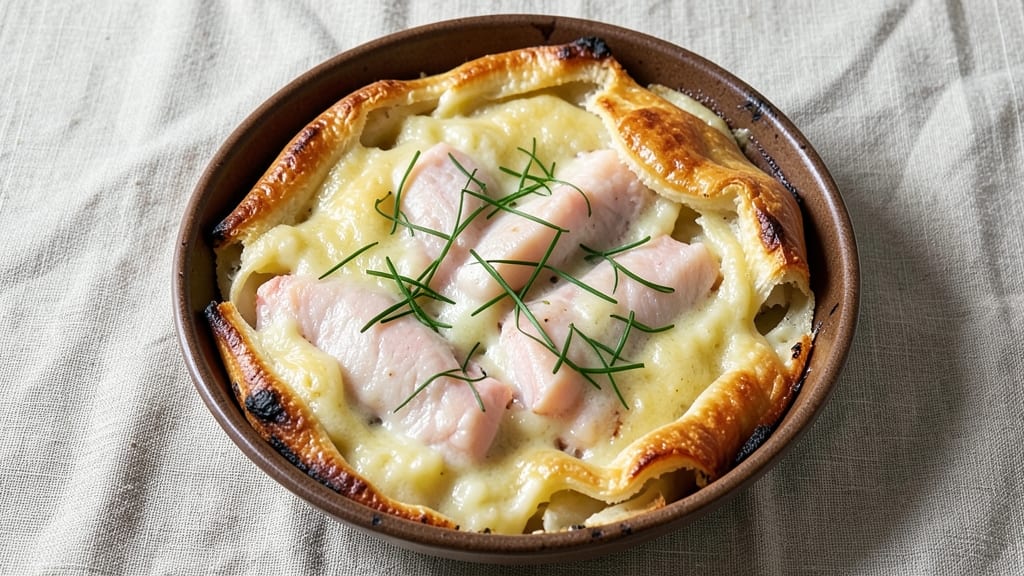
This Irish fish pie recipe transforms humble ingredients into a showstopping dessert with layers of creamy mashed potatoes and flaky pastry that will have everyone asking for seconds.
Inspired by my childhood visits to Irish pubs where the dessert menu often featured this classic, I've refined the technique to balance rich flavors with delicate textures—something my dad would've appreciated if he'd let me flip more than pancakes.
The secret lies in a perfectly golden crust that encases tender fish and velvety potatoes, creating a dessert that feels both nostalgic and elevated.
The foundation of this recipe is a foolproof method for achieving that signature flaky pastry, where layers of butter and flour create air pockets that crisp beautifully in the oven.
I use haddock for its mild sweetness and firm texture, though cod works equally well—both are staples in Irish coastal cuisine. The mashed potatoes aren't just filling; they're infused with cream and a touch of nutmeg, giving them that signature Irish warmth that pairs perfectly with the fish's delicate flavor.
Every bite delivers a contrast of textures and temperatures, from the crispy crust to the creamy center.
What makes this recipe truly special is how it comes together in under 2 hours, including prep time, yet feels like a labor of love. The fish bakes just until tender, absorbing the rich cream sauce while the potatoes soften into a smooth, buttery blanket beneath.
The final touch—a dusting of powdered sugar—adds a subtle sweetness that ties everything together. This isn't just dessert; it's a celebration of Irish flavors reimagined for modern palates, and it's the kind of dish that turns ordinary Sundays into memorable gatherings.
Serve it warm with a dollop of whipped cream or a scoop of vanilla ice cream to balance the richness, and you'll have a dessert that feels like a hug from a favorite relative.
The leftovers, if there are any, reheat beautifully, making it perfect for meal prep or sharing with neighbors—just like Mrs. Henderson used to do with her apple butter. Let's bring this classic to your table with a few simple steps and a whole lot of heart.
Ingredients for irish fish pie
Fifteen ingredients that create a dessert with layers of crispy, creamy, and flaky magic.
| Ingredient | Amount | Notes |
|---|---|---|
| Haddock Fillets 🐟 | 1 ½ lb | Fresh or frozen, skin removed |
| Russet Potatoes 🥔 | 3 lb | Waxy variety preferred |
| Heavy Whipping Cream 🥛 | 1 ½ cups | Full-fat for richness |
| Unsalted Butter 🧈 | 1 cup | Cold, cubed for pastry |
| All-Purpose Flour 🌾 | 2 ½ cups | Plus 1 tbsp for dusting |
| Ice Water 💧 | ½ cup | For pastry dough |
| Shallots 🧅 | 2 whole | Minced for sauce |
| Garlic Cloves 🧄 | 4 cloves | Minced for sauce |
| Fresh Dill 🌿 | ¼ cup | Chopped, for sauce |
| Ground Nutmeg 🌶️ | ½ tsp | Freshly grated preferred |
| Salt 🧂 | 1 ½ tsp | Kosher or sea salt |
| Black Pepper 🌶️ | ½ tsp | Freshly ground preferred |
| Powdered Sugar 🍚 | ¼ cup | For dusting |
| Vanilla Ice Cream 🍦 | 1 ½ cups | For serving |
The haddock is your star—fresh is best, but frozen works fine if you thaw it properly. Local fish markets often have the freshest cuts, and I always ask for haddock fillets without skin since it cooks more evenly. If you can't find haddock, cod is the next best thing—just add an extra 5 minutes to the baking time. For the potatoes, Russets are ideal because they hold their shape while baking. The cream matters too—Whole Foods or Trader Joe's carry excellent heavy whipping cream that makes all the difference in the mashed potato layer. Don't skip the nutmeg; it's what gives that classic Irish warmth to the dish.
No dill? Fresh parsley or chives will work in a pinch, though they won't have the same bright flavor. Short on shallots? Two green onions chopped fine will do the trick, but they're milder. The butter for the pastry needs to be cold—take it out of the fridge 20 minutes before you start so it's soft enough to cut but not melted. If you're making this ahead, you can prep the filling and crust separately and assemble just before baking. The powdered sugar is just for dusting at the end, but trust me, that final touch makes it feel extra special—like a little hug from Ireland.
This pie reheats beautifully—just cover it with foil and warm it in the oven for 15-20 minutes at 350°F. Leftovers keep for 3 days in the fridge, and you can freeze the whole pie (without the ice cream) for up to 2 months. I always make a double batch because it disappears fast. The crust stays crispy for days if you store it in an airtight container, and the mashed potatoes actually taste better the next day as the flavors meld together. Serve it warm with that scoop of ice cream, and you'll have everyone begging for the recipe.
Why You'll Love This Recipe
- One-Pan Magic: I swear by this dish when I’m too tired to wash multiple pots. The potatoes bake right alongside the fish, and that creamy sauce thickens up in the same pan—minimal chopping, zero fuss.
- Creamy Crispy Contrast: That buttery crust on top? Pure perfection. The flaky haddock melts in your mouth while the potatoes stay tender, and the sauce—oh, the sauce—is rich without being heavy, thanks to that perfect roux of butter and flour.
- Leftovers for Days: Between us, this pie begs for seconds. The flavor only gets better the next day, and it reheats like a dream—just a splash of milk to loosen the sauce, and it’s restaurant-quality again.
- Budget-Friendly Luxury: Haddock’s affordable, potatoes stretch far, and a little cream goes a long way. It’s my go-to when I want something special but don’t want to break the bank—plus, the leftovers feed me for half the week.
Step-by-step instructions for Irish fish pie recipe
Here's how to build a restaurant-worthy Irish fish pie with layers of flaky pastry and velvety mashed potatoes.
Prepare the Flaky Pastry Dough
In a large mixing bowl, combine the 2.5 cups all-purpose flour and 0.5 tsp salt. Cut in the 1 cup unsalted butter using a pastry cutter or your fingers until the mixture resembles coarse crumbs with pea-sized butter pieces. This texture is crucial for flaky layers.
Gradually add the 0.5 cup ice water, 1 tablespoon at a time, mixing gently with a fork until the dough just comes together. Avoid overworking—just until it forms a shaggy mass. Turn the dough onto a lightly floured surface and knead briefly for about 30 seconds until smooth. Wrap tightly in plastic wrap and refrigerate for at least 1 hour (or up to 2 days).
When ready to use, roll out the chilled dough between two sheets of parchment paper to about 1/8-inch thickness. You'll need enough to line a 9x13-inch baking dish with overlapping edges for crimping later. The cold dough prevents shrinking and ensures those perfect flaky layers when baked.
Create the Creamy Fish Sauce
In a large skillet, melt 2 tablespoons of the butter over medium heat. Add the 2 minced shallots and cook for 3-4 minutes until softened but not browned. Add the 4 minced garlic cloves and cook for another 30 seconds until fragrant—don't let it color or it'll turn bitter.
Add the 1.5 lb haddock fillets to the pan, seasoning immediately with 1 teaspoon salt and 0.25 teaspoon black pepper. Cook for 3-4 minutes per side until the fish is just opaque in the center and flakes easily with a fork. Remove the fish and set aside.
To the same skillet, add the 1.5 cups heavy whipping cream and remaining 0.5 teaspoon salt. Bring to a gentle simmer and cook for 3-4 minutes until slightly thickened. Stir in the 0.25 cup chopped fresh dill and 0.5 teaspoon ground nutmeg. Return the fish to the sauce and heat through for 1 minute. The sauce should coat the back of a spoon with a luxurious, velvety consistency.
Make the Ultimate Mashed Potatoes
While the sauce simmers, peel and quarter the 3 lb russet potatoes. Place them in a large pot of salted water and bring to a boil. Cook for 15-20 minutes until fork-tender. Drain well, then return to the pot.
Add the remaining 6 tablespoons unsalted butter (you've used 2 tablespoons already) and the 1.5 cups heavy whipping cream. Using a potato masher or ricer, mash until completely smooth. Season generously with 1 teaspoon salt and 0.25 teaspoon black pepper. The potatoes should be light, airy, and completely free of lumps—this is your creamy crown.
For extra indulgence, fold in 1 tablespoon of the 0.25 cup powdered sugar at this stage. This subtle sweetness balances the richness and complements the flaky pastry beautifully. Keep the mashed potatoes warm while you assemble the pie.
Assemble and Bake the Irish Fish Pie
Preheat your oven to 375°F. Line your 9x13-inch baking dish with the rolled-out pastry, pressing gently to adhere to the sides and bottom. Trim and crimp the edges with a fork for that classic pie look. The pastry should cover the bottom completely and extend up the sides about 2 inches.
Spread the creamy fish sauce evenly over the pastry base, then top with the mashed potatoes, mounding them slightly in the center. The potatoes should come up about 1 inch below the pastry edges. Bake for 35-40 minutes until the pastry is golden brown and the filling is bubbling at the edges.
Remove from the oven and let rest for 10 minutes before serving. The pie will be hot and the pastry will be perfectly crisp while the filling remains creamy and luxurious. For presentation, dust the top with the remaining 0.25 cup powdered sugar and serve with 1.5 cups vanilla ice cream on the side for that classic Irish dessert pairing.
Pro Tips For Making Irish Fish Pie
- Parboil Potatoes First: Toss peeled russets into boiling water for 5 minutes before slicing—this stops them from turning to mush when baking. I learned this the hard way after my first pie collapsed into a sad, gluey mess.
- Salt the Haddock: Season the fish fillets with salt and pepper before baking, not after—it keeps them from drying out and makes the flavor penetrate. Trust me, the difference is noticeable, especially if you’re using frozen haddock that’s lost some of its natural moisture.
- Melt Butter Slowly: When making the béchamel, melt the butter over medium-low heat until it’s just foamy, not browned—burnt butter ruins the whole sauce. I used to rush this and ended up with a bitter, off-flavored topping every time.
- Chill the Cream: Cold heavy cream thickens better when whipped into the sauce, so take it out of the fridge 10 minutes before using. This isn’t the prettiest method, but it guarantees a smoother, lump-free finish—no one wants to scrape bits of flour out of their pie.
Common mistakes when making great irish fish pie
Overworking the Dough
I learned this the hard way—when I first tried making the pastry, I kneaded it like I was punching dough for pizza crust. Big mistake! Overworking the butter-and-flour mixture creates tough, dense layers instead of those delicate, flaky sheets we all crave.
Remember, the goal is coarse crumbs with pea-sized butter pieces, not a smooth ball. Work it just until it comes together, then stop. The cold butter needs to stay intact to create those air pockets when baked. 🥧
Skipping the Chill Time
If you're in a rush and skip the 1-hour chill in the fridge, the pastry will shrink during baking, leaving you with a sad, uneven crust. This is especially true in warm kitchens like mine in Portland—give it that extra time to relax.
I once tried assembling the pie right away, and the edges puffed up unevenly. The crust needs to be cold and firm to hold its shape. Trust me, 10 minutes of patience now saves you from a lopsided pie later.
Overcooking the Fish
The haddock needs to be tender but still hold its shape—if you cook it too long, it'll turn rubbery and fall apart in the sauce. I've seen people walk away from the stovetop while it cooks, and that's when the magic disappears.
The fish should flake easily with a fork but still have a slight bounce when pressed. Remove it from the pan as soon as it's just opaque in the center. The sauce will finish cooking later, so no need to rush it. 🐟
Uneven Potato Mashing
Lumpy mashed potatoes ruin the whole dish—they should be silky smooth, like a cloud. I once used a fork and ended up with chunks that turned to glue in my mouth. Invest in a potato ricer or at least a good masher, and take your time.
Press the potatoes through the ricer in batches, then fold in the butter and cream gently. If you're in a pinch, blend with an immersion blender, but strain through a fine-mesh sieve to eliminate any lumps. The texture should be so smooth it practically disappears when you eat it.
Underestimating the Bake Time
Every oven behaves differently, and I've seen people pull pies out too early because they're afraid of burning the crust. The filling needs to bubble vigorously at the edges, and the crust should be a deep golden brown.
If you're unsure, bake it 5 minutes longer—it's better to have slightly overdone crust than undercooked filling. The pie will continue cooking slightly as it rests, so don't rush it. A toothpick inserted in the center should come out warm, not cold. 🔥
Forgetting the Rest Period
This is where so many home cooks mess up—they slice into that hot pie immediately and end up with a runny mess. The filling needs 10 minutes to set while the pie rests. During this time, the juices redistribute, and the crust firms up.
I once cut into a pie too soon and watched in horror as the mashed potatoes oozed out like melted ice cream. Patience here makes all the difference—it's the secret to that perfect slice you see in restaurants.
Nutrition facts
Frequently asked questions
Can I substitute cod for haddock in this Irish fish pie?
Cod works beautifully as a substitute for haddock. Both fish have a mild, delicate flavor that pairs perfectly with the creamy sauce. If using cod, you may need to add an extra 5 minutes to the baking time since it tends to cook slightly faster than haddock. Just be sure to remove the fish from the pan as soon as it's just opaque in the center to avoid overcooking.
How do I make this pie ahead of time?
This Irish fish pie actually tastes even better the next day! You can assemble the pie (without baking) and refrigerate it for up to 24 hours before baking. For leftovers, reheat covered with foil in a 350°F oven for 15-20 minutes. The crust stays crispy, and the filling becomes even more flavorful as the ingredients meld together.
What's the best way to serve this pie?
For an authentic Irish experience, serve this warm pie with a scoop of vanilla ice cream or a dollop of whipped cream. The cold cream helps balance the richness of the creamy filling. Some people also enjoy it with a simple arugula salad dressed with lemon vinaigrette to cut through the richness. For a hearty meal, pair it with crusty bread or a side of steamed green vegetables.
Can I make this pie gluten-free?
Yes, but you'll need to use gluten-free flour for the pastry and ensure your heavy cream and other ingredients are certified gluten-free. For the pastry, a 1:1 gluten-free flour blend works well, though you may need to add an extra 1 tablespoon of ice water to the dough. The texture will be slightly different but still delicious. Be sure to check all your ingredients, as some brands of cream or butter contain trace amounts of gluten.
Why does my pastry turn out tough instead of flaky?
Tough pastry usually means one of two things: either the butter was too warm when mixing, or the dough was overworked. Keep your butter cold and cut it into the flour until you have pea-sized pieces—never a smooth dough. Also, handle the dough as little as possible. Work it just until it comes together, then chill it before rolling. The cold butter needs to stay intact to create those beautiful flaky layers when baked.