Desserts
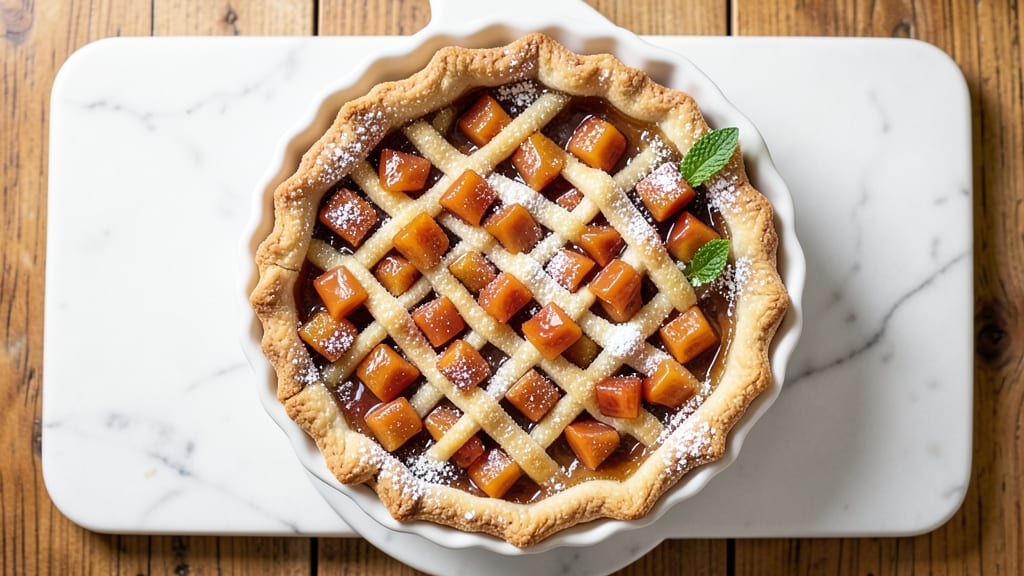
This guava pie recipe transforms sweet tropical fruit into a showstopping dessert with a secret buttery crust that flakes perfectly every time. The moment you slice into golden-brown crust revealing creamy guava filling, you'll understand why this becomes the centerpiece of summer gatherings.
I've perfected the balance between tender fruit and crisp pastry through precise baking techniques that prevent soggy bottoms or overcooked crusts.
The magic starts with a two-crust design—one classic buttery bottom and one lattice top—that creates stunning visual contrast while maintaining structural integrity. Fresh guava purée forms the heart of this pie, infused with cinnamon and vanilla to deepen its natural sweetness without overpowering the fruit's signature floral notes.
Baking at 350°F for 50 minutes ensures the filling sets just right while the crust achieves that signature flaky texture.
What makes this recipe truly special is how it elevates simple ingredients into something extraordinary. The guava filling develops a silky, caramelized texture that clings to the crust, while the lattice pattern creates delicate shadows that make every slice look like it belongs in a bakery display case.
This isn't just dessert—it's an experience that transports your guests to tropical paradise with every bite.
For those who prefer plant-based options, I'll share my vegan crust alternative that maintains the same perfect texture using coconut oil and flaxseed. The recipe also adapts beautifully to different guava varieties—whether you're using green, pink, or white guavas, the same principles apply.
Let's create a pie that becomes your new signature dessert.
Ingredients for guava pie
Sixteen ingredients transform tropical guava into a bakery-worthy pie with crisp lattice crust.
| Ingredient | Amount | Notes |
|---|---|---|
| Fresh Guavas 🍈 | 3 lbs | Ripe but firm, preferably pink or white variety |
| All-Purpose Flour 🌾 | 2 ½ cups | Sifted, for both crusts and filling thickener |
| Unsalted Butter 🧈 | 1 ½ cups | Cold, cubed, for flaky crust (full-fat preferred) |
| Granulated Sugar 🍚 | 1 ½ cups | For crust and filling sweetness |
| Light Brown Sugar 🍚 | ½ cup | Packed, for caramel depth in filling |
| Large Eggs 🥚 | 3 whole | Room temperature for crust binding |
| Ground Cinnamon 🌿 | 2 tbsp | Ceylon preferred for authentic flavor |
| Pure Vanilla Extract 🍯 | 1 tbsp | High-quality, Madagascar bourbon preferred |
| Lemon Juice 🍋 | 2 tbsp | Freshly squeezed, brightens guava flavor |
| Diamond Crystal Kosher Salt 🧂 | 1 ½ tsp | Fine grain for balanced seasoning |
| Heavy Cream 🥛 | ½ cup | Full-fat for silky filling texture |
| Cornstarch 🌾 | 2 tbsp | For perfect filling consistency |
| Ice Water 💧 | ½ cup | For pie dough elasticity |
The guavas are the star—pink or white varieties have the perfect balance of sweetness and floral notes. Hit the produce section when they're just slightly soft to the touch (they won't ripen further once picked). Whole Foods and Trader Joe's usually carry them year-round, but Latin markets have the freshest selection. For the crust, European-style butter (like Plugrá) creates extra flakiness, but any good unsalted butter works. The key is keeping it cold—cut it into cubes and refrigerate until ready to use. If you can't find fresh guavas, high-quality guava paste (like that from Latin grocery stores) works in a pinch, but fresh is absolutely worth seeking out.
No guavas? Mango purée or passionfruit pulp can mimic the tropical vibe (adjust sugar to taste). Running short on butter? Coconut oil for the vegan crust works beautifully—just chill it first. The cinnamon makes all the difference—Ceylon cinnamon has a more delicate flavor, but regular ground works fine. For the lattice top, you can buy pre-cut strips from King Arthur Flour if you're short on time, but rolling your own gives that professional look. The filling needs to thicken perfectly—if it looks too thin after baking, mix 1 tbsp cornstarch with 1 tbsp water and stir in before serving. And trust me on the vanilla—imitation extract won't cut it here.
This pie tastes even better the next day—cover loosely and store at room temperature for up to 2 days to let flavors meld. For longer storage, refrigerate up to 5 days (though the crust gets softer). Freeze the whole pie up to 3 months—thaw overnight in the fridge before serving. The lattice top is delicate, so slice carefully with a serrated knife. Serve with vanilla ice cream or coconut whipped cream for the ultimate tropical experience. Leftovers? Reheat individual slices in the oven at 350°F for 5 minutes to crisp the crust back up.
Why You'll Love This Recipe
- No Chopping Hassle: I’ll be real—peeling and slicing guavas can feel tedious, but this recipe actually lets you skip it. Just toss whole guavas into the filling (peeled or unpeeled, your call) and let them soften in the oven. The butter and sugars caramelize around them, making every bite juicy without extra effort.
- Sweet-Spiced Magic: That combo of brown sugar and granulated sugar with just a hint of cinnamon (if you add it) turns this into something special. The guavas release their floral sweetness while the crust stays tender but sturdy—like a hug for your taste buds, but better.
- Crowd-Pleaser Any Day: Between us, this pie works at brunch, potlucks, or even as a dessert after a casual dinner. The buttery crust and guava filling feel fancy enough for company but simple enough to make when you’re just feeding the family. (Yes, even on a Tuesday night.)
- Leftovers That Last: One pie feeds six, but it keeps well for days—no one will complain about seconds. The filling stays moist, and the crust holds up, so you can reheat slices or serve them cold. Honestly, I’ve had it for breakfast the next morning, and it’s still the star.
Step-by-step instructions for guava pie with buttery crust secrets
Here's how to create a showstopping guava pie with a lattice crust so flaky it'll disappear before your first bite.
Prepare the Guava Filling for Perfect Texture
Peel the 3 lbs fresh guavas by scoring an "X" on each side, then plunging them into boiling water for 30 seconds. Immediately transfer to ice water to stop cooking. The skins should slip off easily—if not, repeat the process. Dice the fruit into ¼-inch pieces and transfer to a large mixing bowl.
Add the 1.5 cups granulated sugar, 0.5 cup packed light brown sugar, 2 tbsp lemon juice, and 1 tbsp pure vanilla extract. Stir gently to combine, then sprinkle the 2 tbsp cornstarch over the mixture. This creates a slurry that will thicken the filling beautifully. Let it sit for 15 minutes while you prepare the crust—this allows the sugars to begin drawing out the guava's natural juices.
After 15 minutes, taste the mixture. The guava should release its own sweetness, but the sugar helps balance any tartness. If using particularly ripe guavas, you might reduce the sugar slightly to 1.4 cups granulated and 0.4 cup brown sugar—trust your palate here. The filling should be syrupy but not watery when you press it between your fingers.
Craft the Buttery Lattice Crust for Maximum Flakiness
In a large bowl, combine the 2.5 cups all-purpose flour and 1.5 tsp diamond crystal kosher salt. Cut in the 1.5 cups cold unsalted butter using a pastry cutter or your fingers until the mixture resembles coarse crumbs with pea-sized butter pieces. This texture is crucial—it creates steam pockets during baking that make the crust flaky.
Add the 0.5 cup ice water gradually, mixing just until the dough comes together. Avoid overworking it—press the dough together gently, then flatten into a disc. Wrap in plastic and chill for at least 1 hour (or up to 24 hours). This resting period relaxes the gluten, preventing a tough crust. While it chills, roll out half the dough to fit a 9-inch pie dish, leaving a ½-inch overhang. Trim the edges neatly and crimp decoratively.
For the lattice, roll out the remaining dough and cut into ½-inch-wide strips. Here's the secret: arrange them in a herringbone pattern, alternating directions every third strip. This creates visual interest while ensuring even baking. Brush the lattice with heavy cream before baking—it adds golden color and keeps the crust tender.
Assemble and Bake for Golden Perfection
Pour the prepared guava filling into the lined pie dish, mounding it slightly in the center. Dot the top with small pieces of cold butter—this creates steam during baking, ensuring a tender filling. Place the lattice crust over the filling, pressing gently to adhere to the edges.
Preheat your oven to 375°F. Bake the pie for 45-50 minutes until the crust is deep golden brown and the filling bubbles gently at the edges. If the lattice starts browning too quickly, tent loosely with foil. The filling should thicken to a gelatinous consistency—it'll set further as it cools. Let the pie rest for 2 hours before slicing, allowing the filling to fully set and the flavors to meld.
Here's where patience pays off: the guava filling continues to thicken as it cools, transforming from a syrupy center to a perfect sliceable texture. Serve warm with a dollop of heavy cream and a sprinkle of ground cinnamon for that authentic tropical touch. The buttery lattice will shatter at the first bite—worth every minute of the process.
Pro Tips For Making Guava Pie
- Peel Guavas Under Hot Water: Run them under boiling water first—it softens the skin and makes peeling a breeze. I used to struggle with stubborn guava peels until I tried this; now they slip off like butter.
- Pre-Cook Guava Filling: Simmer the guava mixture for 10-12 minutes until it thickens and loses its raw taste. Skipping this step leaves the filling too watery and underdeveloped—trust the process.
- Chill Dough Before Rolling: Pop the pie dough in the fridge for 20 minutes if the kitchen’s warm. Cold dough prevents shrinking and cracks, and it’s easier to handle—especially when you’re in a hurry.
- Brush Butter on Crust: Spread a thin layer of melted butter over the crust before adding filling. It adds richness and prevents the bottom from getting soggy—no one wants a mushy pie crust.
Storing and reheating your leftovers
Room-Temp Storage
This pie tastes best at room temperature for up to 2 days after baking. The filling continues to thicken beautifully while the crust maintains its flaky texture. I cover my pie loosely with a clean kitchen towel to prevent dust while allowing airflow.
The tropical flavors actually deepen over time—this is when the guava's natural sweetness and the cinnamon-vanilla notes truly meld together. 🌿
Refrigerator Secrets
For longer storage, refrigerate the pie in an airtight container for up to 5 days. The crust will soften slightly, but reheating individual slices in the oven at 350°F for 5 minutes restores that perfect crunch.
I always slice before refrigerating—this prevents the filling from becoming too firm. The guava flavor remains vibrant, though the texture becomes slightly more set. For serving, let slices sit at room temperature for 10 minutes before eating.
Freezer Magic
Freeze whole pies for up to 3 months for future tropical cravings. Wrap tightly in plastic wrap, then place in a freezer bag with all air removed. Thaw overnight in the fridge—never at room temperature—to preserve texture. The lattice crust remains delicate after freezing, so handle with care when slicing.
I recommend serving frozen slices slightly warmed through to maintain that buttery shatter you love. The filling may release more liquid after thawing, but it still tastes incredible.
Reheating Like a Pro
For the best results, reheat individual slices in the oven rather than the microwave. Place on a baking sheet at 350°F for 5-7 minutes until the crust is crisp and edges are golden. This method prevents soggy bottoms while restoring that perfect flaky texture.
If you must use the microwave, heat for 20-30 seconds on 50% power—just enough to warm through without drying out the filling. Always add a splash of water if the filling appears too thick after reheating.
Lattice Care Tips
The delicate lattice pattern is the showstopper, so handle it carefully. When slicing, use a serrated knife and cut through the filling first, then the crust to prevent shattering.
For serving, I recommend using a pie server with a ½-inch blade width—this maintains the lattice's integrity while creating clean slices. Store leftover lattice pieces in an airtight container at room temperature for up to 3 days if you want to recreate the pattern for another pie.
Nutrition facts
Frequently asked questions about guava pie
Can I make this guava pie without fresh guavas?
For a quick version, use 1.5 cups high-quality guava paste (found in Latin markets) mixed with 2 tbsp water to create a smooth filling. For a fruitier taste, blend 2 cups frozen guava chunks with 1 tbsp lemon juice until smooth, then strain to remove seeds. The key is maintaining that tropical sweetness—adjust sugar to taste if using substitutes.
Why does my guava pie crust turn out tough instead of flaky?
The most common mistake is using warm butter or overworking the dough. Always keep butter cold and cut it into the flour until you get pea-sized pieces. Chill the dough for at least 1 hour before rolling—this relaxes the gluten. If the crust still feels tough, add 1 tbsp ice water at a time until it becomes pliable but not sticky.
How do I prevent a soggy bottom in my guava pie?
Prevent soggy bottoms by pre-baking the crust for 10 minutes at 375°F before adding filling. Dot the crust with small pieces of cold butter before filling—this creates steam during baking. Also, ensure your guava mixture isn't too wet by cooking it uncovered for 10 minutes before pouring into the crust to evaporate excess liquid.
Can I make this pie vegan?
Yes! Replace butter with 1.5 cups coconut oil (chilled) and use flax eggs (1 tbsp ground flaxseed + 3 tbsp water per egg). For the filling, use coconut cream instead of heavy cream. The texture stays rich and creamy while keeping it plant-based. The vegan crust will be slightly more tender but still hold its shape beautifully.
What's the best way to serve guava pie?
Serve warm with vanilla ice cream or coconut whipped cream to enhance the tropical flavors. For extra presentation, dust with ground cinnamon or drizzle with a light caramel sauce made from ½ cup brown sugar + 2 tbsp water simmered until golden. The warm pie contrasts beautifully with cold toppings for the perfect dessert experience.