
Desserts
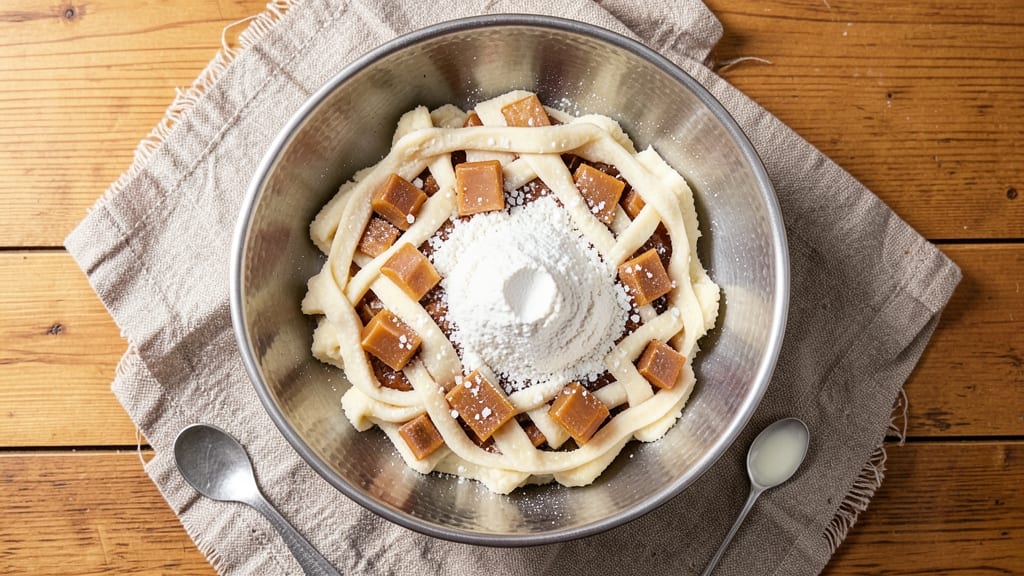
Grandma's pie dough recipe delivers that perfectly flaky texture that makes every slice worth savoring. The secret lies in cold butter layers that create delicate, melt-in-your-mouth flakes—something store-bought crusts simply can't match.
I've perfected this method over years of baking, ensuring your crust stays crisp even after hours in the oven.
This classic recipe uses just five simple ingredients: flour, salt, cold butter, ice water, and a touch of vinegar for tenderness. The key technique is cutting the butter into the flour until it resembles coarse crumbs, then adding ice water gradually to bind without overworking the dough.
Chilling between steps prevents shrinking, while rolling and folding creates those signature flaky layers.
What makes this dough truly special is its versatility—use it for sweet apple pies, savory chicken pot pies, or even hand pies. The buttery aroma alone will have your kitchen smelling like a bakery, and the golden-brown crust will impress even the most critical pie judges.
Once you try homemade, you'll never go back to store-bought.
Ready in just 30 minutes with minimal effort, this dough keeps well in the fridge for up to 4 days or frozen for months. Whether you're baking for a holiday feast or a weeknight dessert, this recipe delivers professional-quality results every time.
Let's get started with the perfect foundation for any pie.
Ingredients for grandma pie dough
Five simple ingredients transform into flaky, buttery crusts that stay crisp all day.
| Ingredient | Amount | Notes |
|---|---|---|
| All-Purpose Flour 🌾 | 3 cups | Sifted for light texture |
| Unsalted Butter 🧈 | 1 cup | Cold, cubed, not softened |
| Ice Water 💧 | ½ cup | Fresh from ice cubes |
| White Vinegar 🍶 | 1 tbsp | For tender crust |
| Salt 🧂 | ½ tsp | Fine sea salt preferred |
The butter is non-negotiable—it needs to stay cold the whole time. Whipped or European-style butter works best for flakiness, but regular unsalted butter in cubes will do in a pinch. Grab it from the deli counter if you want it pre-cubed, or do it yourself with a knife. Keep those cubes frozen until you're ready to cut them into the flour—this is where the magic happens. The flour? King Arthur or Gold Medal brands are my go-tos, but any all-purpose will work. Sift it first if you can—saves time and ensures no lumps. And don't skip the ice water. Room-temperature water makes tough dough.
No ice cubes? Freeze your water bottle for 10 minutes—works in a bind. Short on vinegar? Lemon juice at the same amount adds brightness. Using salted butter? Reduce the salt to 0.25 tsp unless you love salty crusts. The dough will feel dry at first—don't panic. It comes together when you add the water gradually. If your kitchen's warm, chill the dough between steps. And if you're nervous about handling, line your work surface with parchment paper. Trust me, it makes rolling so much easier.
Wrap the dough tightly in plastic and refrigerate for up to 4 days. For longer storage, freeze it between parchment sheets—thaws in 30 minutes. The dough doubles in size when chilled, so don't stress if it looks huge. Roll it out between two sheets of parchment to avoid sticking. And here's a pro tip: Keep a bowl of flour nearby while rolling—it prevents the dough from sticking to your hands. This crust reheats beautifully too—perfect for leftover pie slices.
Why You'll Love This Recipe
- No-Fuss Butter Magic: I swear by the cold butter cut into flour—it’s the secret to that perfect flaky texture without any fuss. No food processor? No problem. Just your fingers and a pinch of patience (and maybe a little elbow grease if the dough gets tough).
- Vinegar’s Secret Boost: That splash of white vinegar? It’s not just for flavor—it tenderizes the dough and keeps it from turning tough. The result? A crust so crisp it shatters like a dream, with just enough buttery richness to make every bite worth it.
- Pie for Any Occasion: Need a quick dessert for company? A savory tart for a weeknight? This dough handles it all—apple pies, pot pies, even hand pies. Honestly, I’ve even used it for a shortcut quiche crust when I’m running late.
- Budget-Friendly Staples: Flour, butter, salt, vinegar—these are pantry basics that won’t break the bank. Plus, the dough keeps for days in the fridge, so I’m always ready to whip up something homemade without stressing over grocery runs.
Step-by-step instructions for grandma's pie dough recipe
Here's how to make pie dough that stays flaky for hours—no tricks, just good technique.
Cut and Chill the Cold Butter
Take the 1 cup unsalted butter and cut it into ¼-inch cubes using a sharp chef's knife. The butter needs to be cold—if it's too soft, pop it in the freezer for 10 minutes to firm up. Spread the cubes on a plate and refrigerate for 30 minutes while you prep the flour.
This chilling step is critical. Cold butter creates those signature flaky layers because it melts slowly in the oven, creating steam pockets between the dough layers. If the butter gets warm, you'll end up with a tough, dense crust instead of the tender, flaky texture you want.
Mix Dry Ingredients and Cut in the Butter
In a large bowl, whisk together the 3 cups all-purpose flour and ½ teaspoon salt. I like to sift the flour first for a lighter texture, but if you don't have a sifter, just whisk vigorously to remove any lumps. Make a well in the center of the flour mixture.
Add the chilled butter cubes to the well and use a pastry cutter or your fingers to work the butter into the flour. Cut in the butter until you have pea-sized crumbs with some larger butter pieces remaining—this ensures you'll get those beautiful flaky layers. If the mixture starts to look too shaggy, it's okay; we'll fix that next.
Add Vinegar and Water for Tender Crust
Pour the ½ cup ice water and 1 tablespoon white vinegar into the flour-butter mixture. The vinegar might seem odd, but it helps tenderize the crust by breaking down gluten strands. Use a fork to gently mix the ingredients until just combined—stop as soon as the dough starts to come together.
At this point, the dough should look like wet sand. If it's too dry, add 1 teaspoon more ice water; if it's too sticky, sprinkle in 1 tablespoon more flour. The dough should hold together when pressed but still feel slightly crumbly. Overworking it now will make the crust tough, so resist the urge to knead.
Form and Chill the Dough
Turn the dough out onto a lightly floured surface and gently shape it into a 1-inch thick disk. Wrap it tightly in plastic wrap and refrigerate for at least 2 hours, or up to 48 hours. This long chill time is what makes the difference between a good crust and a great one—it relaxes the gluten and keeps the butter cold.
Don't skip this step, even if you're eager to bake. The dough can sit in the fridge for days, so plan ahead. If you're in a hurry, you can freeze the dough for up to 3 months—just let it thaw in the fridge overnight before rolling.
Roll and Transfer for Perfect Pie Crust
Remove the dough from the fridge and let it sit at room temperature for 5-10 minutes to soften slightly. On a floured surface, roll the dough into a 12-inch circle, about ⅛-inch thick. If the dough cracks, just gently press it back together—it's normal and won't affect the final result.
Carefully transfer the rolled dough to your pie dish, letting it gently drape over the edges. Trim any excess dough hanging over the rim, leaving about ½-inch extra to crimp later. The key here is to handle the dough as little as possible to avoid warming it up. If the dough starts to soften too much, pop it back in the fridge for 10 minutes before rolling.
Pro Tips For Making Grandma Pie Dough
- Cut Butter in Cubes: Cut your unsalted butter into ½-inch chunks—no smaller, no larger—before mixing it into the flour. I learned this the hard way: tiny cubes melt too fast, leaving you with a gummy mess, while big hunks don’t incorporate evenly. Stick to that size, and your dough will stay flaky and crisp.
- Use Ice Water, Not Cold: Fill your measuring cup with ice water, not just cold tap water. The coldest water prevents the butter from melting on contact, which keeps the dough tender and prevents a tough crust. (Yes, even if you’re impatient like me.)
- Skip Overmixing the Dough: Stop mixing as soon as the dough clumps together—no need to knead it into a smooth ball. Overworking it develops gluten, making the crust tough instead of flaky. Rough edges? That’s fine. It’ll come together when you roll it out.
- Add Vinegar Last: Save the white vinegar for the very end of mixing—just a teaspoon or two. It helps tenderize the dough and improves the crust’s golden color, but adding it too early can make the dough sticky and hard to handle. Trust me, a little at the end makes all the difference.
Creative variations of this recipe
Sweet & Savory Fillings
This versatile dough works perfectly for both classic sweet pies and hearty savory dishes. For a classic apple pie, use a lattice crust with a spiced filling of 6 cups peeled apples, ½ cup brown sugar, 2 tbsp lemon juice, and 1 tsp cinnamon.
For a savory chicken pot pie, fill with 3 cups shredded rotisserie chicken, 1 cup mixed vegetables, and a creamy sauce of ½ cup heavy cream and 2 tbsp flour. The same dough adapts effortlessly to both! 🍏
Gluten-Free Adaptation
Swap the all-purpose flour for a 1:1 gluten-free baking flour blend like Bob's Red Mill or King Arthur. Add ¼ cup xanthan gum to improve texture, and use 2 extra tablespoons of ice water since gluten-free dough tends to be drier.
Chill the dough for 30 minutes extra to help it hold together. The result? A flaky, sturdy crust that holds up to fillings just as well as the original. 🌾
Herb & Cheese Twist
For a savory galette, roll out the dough and fold in ½ cup grated Gruyère, 2 tbsp chopped fresh rosemary, and 1 tbsp chopped thyme. Add a filling of caramelized onions and spinach, then fold into a free-form shape.
Brush with an egg wash and bake until golden. The herbs and cheese add a sophisticated twist to any meal. 🧀
Lattice Crust Mastery
Create a stunning lattice by cutting the dough into ½-inch wide strips with a sharp knife or pizza cutter. Weave strips over and under each other in a herringbone pattern, pressing edges gently to seal.
For extra flair, brush strips with egg wash before baking—this makes them crisp and golden. The lattice not only looks beautiful but also allows steam to escape, keeping the filling juicy. ✨
Freezer-Friendly Hand Pies
Roll the dough into 4-inch circles, fill with ½ cup jam or savory sausage and cheese, then fold into half-moons. Seal edges with a fork or by pinching gently. Place on a baking sheet, freeze for 1 hour, then transfer to a freezer bag.
Bake straight from frozen at 375°F for 20-25 minutes. Perfect for quick snacks or holiday treats! 🥧
Whole Wheat Boost
Replace 1 cup of all-purpose flour with whole wheat flour for a nuttier, slightly denser crust. Add 1 extra tablespoon of cold butter to compensate for the dryness. The dough will be less flaky but still delicious—ideal for berry pies or savory quiche crusts.
Whole wheat dough also reheats beautifully, making it perfect for leftovers. 🌱
Nutrition facts
Frequently asked questions
Why does this dough need to chill for so long?
The 2-hour chill relaxes the gluten and keeps the butter cold, which prevents shrinking and creates those signature flaky layers. Skipping this step makes the crust tough and dense instead of tender. Think of it as giving the dough a rest before baking—just like you'd let a steak sit before grilling!
Can I make this dough ahead of time?
Wrap the dough tightly in plastic and refrigerate for up to 4 days or freeze for 3 months. Thaw it overnight in the fridge before rolling. This makes it perfect for meal prep—just pull it out when you're ready to bake.
What if my dough cracks when rolling?
Cracked dough is normal—just gently press the pieces back together. The cracks won't affect the final texture. If the dough feels too warm, pop it back in the fridge for 10 minutes before rolling. Handling it too much can make it sticky, so work quickly and keep a bowl of flour nearby.
Can I use this dough for savory dishes?
Yes! This versatile dough works perfectly for savory pies like chicken pot pie or quiches. Brush the crust with egg wash for extra shine, and add herbs or cheese to the dough for extra flavor. The same recipe delivers great results for both sweet and savory fillings.
How do I fix dough that's too dry or too sticky?
If too dry, add 1 teaspoon ice water; if too sticky, sprinkle in 1 tablespoon flour. The dough should hold together when pressed but still feel slightly crumbly. Overworking it will make the crust tough, so mix gently until just combined.