
Desserts
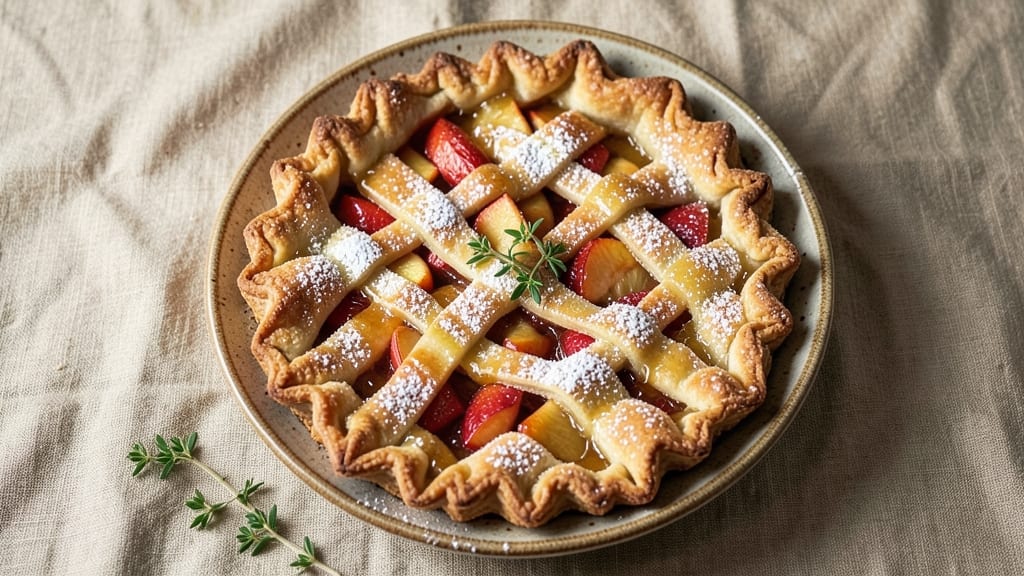
This galette pie recipe transforms a simple French technique into a showstopping dessert that looks effortless but requires precision—think crisp, flaky crust wrapped around a golden vanilla swirl filling.
The beauty lies in its rustic charm: no rolling pin, no fuss, just a hand-formed dough that encases tender custard in a perfect, imperfect circle.
After years of perfecting the balance between crisp edges and tender centers, I’ve developed a method that delivers restaurant-quality results with just a few key techniques.
The secret to a successful galette isn’t complicated—it’s all about the dough. A simple blend of flour, butter, and ice water creates a crust so tender it practically melts in your mouth, yet sturdy enough to hold its shape during baking.
The vanilla filling, made with eggs, sugar, and a touch of cream, swirls into a luscious, custard-like center that bakes to a golden, caramelized finish. Unlike traditional pies, the galette’s free-form assembly makes it forgiving for beginners while still impressing guests with its elegant simplicity.
What you’ll end up with is a dessert that’s equal parts rustic and refined: a flaky, buttery crust with a shimmering golden crust, encasing a velvety vanilla swirl that’s just set in the center. The edges puff slightly, creating delicate, crisp layers that contrast beautifully with the soft custard.
This recipe is perfect for special occasions or spontaneous dessert cravings—it’s easy enough for weeknights but feels luxurious enough for holidays.
Serve it warm with a scoop of vanilla ice cream or a drizzle of caramel for extra indulgence. The filling stays moist for days, making it ideal for meal prep or gifting.
Whether you’re a seasoned baker or just starting out, this galette will become your go-to dessert for its balance of simplicity and sophistication.
Ingredients for galette pie
Handful of ingredients, big French flair. Butter, flour, and ice water for the crust—simple but magical.
| Ingredient | Amount | Notes |
|---|---|---|
| All-Purpose Flour 🌾 | 3 cups | Plus 2 tbsp for dusting |
| Unsalted Butter 🧈 | 1 ½ cups | Cold, cubed (1 lb total) |
| Ice Water 💧 | ½ cup | Very cold, not melted |
| Granulated Sugar 🍚 | 1 ½ cups | For filling, plus extra for sprinkling |
| Large Eggs 🥚 | 2 whole | Room temperature |
| Heavy Cream 🥛 | ½ cup | Full-fat for richness |
| Pure Vanilla Extract 🌸 | 1 tbsp | Or 1 tsp vanilla bean paste |
| Salt 🧂 | ½ tsp | Fine sea salt |
| Vanilla Bean 🌸 | 1 whole | Seeds scraped (optional) |
| Powdered Sugar 🍚 | 1 tbsp | For dusting (optional) |
| Vanilla Ice Cream 🍦 | 1 ½ cups | For serving (optional) |
The butter is everything here. Use European-style butter if you can—it has more milkfat for that perfect flakiness. Costco or Whole Foods carry great brands like Plugrá or Land O'Lakes European Style. Keep it cold when mixing the dough—this is non-negotiable. If your kitchen gets warm, chill the butter between hands. The flour? King Arthur or Gold Medal are my go-tos—they're consistent and give the best texture. No need to sift, just measure and mix. And that ice water? Use actual ice cubes—no melted water, or the dough gets tough.
No vanilla extract? Vanilla bean paste works too—it's basically pre-scraped seeds. The vanilla bean itself is optional but adds depth. Short on heavy cream? Half-and-half plus a splash of milk gets you close. The powdered sugar is just for dusting—skip it if you're not serving immediately. For the filling, brown sugar adds caramel notes if you want extra flavor. And if you're making this ahead, store the dough separately from the filling—it keeps better that way. The dough can wait in the fridge for up to 2 days, but the filling is best used fresh.
This galette is a dream for make-ahead desserts. Assemble and refrigerate overnight—the flavors meld beautifully. Reheat at 375°F for 15-20 minutes until golden. The crust stays crisp for 3 days at room temp if stored in an airtight container. For gifting, wrap in parchment and tie with twine. The filling? Eat within 2 days—it's at its peak when the custard is just set. Freeze the whole thing for up to 2 months—just thaw overnight in the fridge before reheating.
Why You'll Love This Recipe
- No Rolling Required: The crust comes together with just flour, butter, and ice water—no rolling pin, no stress. I’ve made this on weeknights when my kitchen counter was buried in laundry, and the rustic edges? They’re the best part.
- Golden Crust Magic: That crispy, buttery edge with a tender center? It’s all thanks to the egg wash and sugar sprinkle. Honestly, the moment it comes out of the oven, my whole house smells like a bakery, and I haven’t even sliced it yet.
- Weeknight to Potluck: Same dough, endless fillings—savory or sweet, it’s your call. I’ve used it for apple galettes on a lazy Sunday, then switched to a savory version with caramelized onions for a dinner party. No one ever guesses it’s the same base.
Step-by-step instructions for galette pie recipe: rustic French crust over vanilla swirls
Here's how to build a stunning galette with a delicate crust and sweet vanilla filling.
Make the Crust and Prepare the Filling
In a large bowl, combine the 3 cups all-purpose flour and 0.5 tsp salt. Cut in the 1.5 cups cold, cubed unsalted butter using a pastry cutter or your fingers until the mixture resembles coarse crumbs with pea-sized butter pieces. This texture is crucial for flaky layers.
Add the 0.5 cup ice water and mix gently until the dough just comes together. Avoid overmixing—it should hold when pressed but still feel slightly crumbly. Shape into a disk, wrap in plastic, and chill for 30 minutes. Meanwhile, in a separate bowl, whisk together the 1.5 cups granulated sugar, 2 whole large eggs, 0.5 cup heavy cream, 1 tbsp pure vanilla extract, and the seeds scraped from the 1 whole vanilla bean. Set aside.
Roll and Assemble the Galette
On a lightly floured surface, roll the chilled dough into a 12-inch circle, about 1/8-inch thick. Transfer to a parchment-lined baking sheet, leaving a 2-inch overhang on all sides. This overhang will help you fold the edges later. Spoon the vanilla filling onto the center of the dough, leaving a 2-inch border around the edges.
Gently fold the dough edges inward toward the center, creating a rustic, uneven shape. Brush the exposed dough with a little egg wash (1 egg beaten with 1 tbsp water) for extra shine. Sprinkle the edges with a pinch of granulated sugar and 1 tbsp powdered sugar for contrast. The filling should peek through in places—this is what makes galettes look so charming.
Bake to Golden Perfection
Preheat your oven to 375°F. Bake the galette for 40-45 minutes until the crust is deep golden brown and the filling is bubbling. The edges should be crisp, and the center should be set but still slightly jiggly. If the edges brown too quickly, tent loosely with foil after 25 minutes.
Remove from the oven and let cool for 10 minutes before serving. The filling will continue to set as it cools, becoming thick and creamy. Serve warm with 1.5 cups vanilla ice cream on the side for scooping into the filling. The contrast of warm galette and cold ice cream is unbeatable.
Serve with Confidence
Use a sharp knife to cut through the crust and filling, lifting sections gently to reveal the swirls underneath. The galette's rustic shape means no two slices will look the same—part of its charm! The filling should be soft and custard-like, with a delicate vanilla aroma. If the crust cools too much, warm it briefly in the oven to restore crispness.
For extra flair, dust the top with more powdered sugar just before serving. The combination of the buttery crust, sweet vanilla filling, and creamy ice cream makes this galette a showstopper for any occasion. Enjoy immediately while the crust is still warm and the filling is at its peak texture.
Pro Tips For Making Galette Pie
- Chill the Dough Properly: I learned this the hard way—rolling out cold dough straight from the fridge leads to cracks and tears. Wrap the dough in plastic and refrigerate for at least 30 minutes (or up to 24 hours if you’re prepping ahead). The cold butter stays firm, making it easier to handle without turning into a greasy mess.
- Use Cold Butter, Not Room-Temp: Cut the unsalted butter into tiny cubes and freeze it for 10 minutes before mixing with flour. Cold butter creates flaky layers, while room-temperature butter just dissolves into the dough, leaving you with a dense, tough galette. Trust me, your pastry will thank you.
- Skip the Overfilling: Galettes are all about rustic charm, not a perfectly packed pie. Fill the dough with no more than ¾ of the way to the edge—overstuffing causes the edges to puff up and tear when baking. Less filling = more control, and a prettier (but still delicious) result.
- Brush with Egg Wash: Whisk one egg with a splash of water and brush it lightly over the edges before baking. This isn’t just for looks—it seals the dough and gives the crust a golden, glossy finish. (Yes, even if you’re impatient like me, take 30 seconds to do this.)
Wine and beer pairings for this galette pie
White Wine Pairings
A crisp, dry Sauvignon Blanc from the Loire Valley is my go-to choice for this galette—its bright acidity and citrus notes cut through the richness of the vanilla filling beautifully.
Look for wines from Vouvray or Sancerre, which have that perfect balance of minerality and floral undertones that complement the buttery crust. Serve it slightly chilled (45-50°F) to enhance the wine's refreshing qualities while keeping the galette's warmth intact. 🍷
Sparkling Wine Magic
For a celebratory touch, a French Crémant or Prosecco adds effervescence that cleanses the palate between bites. The bubbles help reset your taste buds, making each slice of galette taste even more decadent.
I love Crémant de Loire for its crisp apple and pear notes, which pair wonderfully with the vanilla's sweetness. Keep the temperature at 40-45°F to preserve the bubbles.
Beer Complements
A light, Belgian-style witbier like Hoegaarden or St. Bernardus Wit brings a refreshing contrast with its coriander and citrus flavors. The slight tartness balances the galette's sweetness, while the effervescence keeps things lively.
For a darker option, try a German Hefeweizen—its banana and clove notes harmonize with the vanilla filling. Serve beers at 45-50°F to enhance their aromatic qualities. 🍺
Creamy Dessert Wines
If you prefer reds, a Pinot Noir from Burgundy or Oregon offers enough fruitiness to stand up to the galette without overpowering it. For a sweeter option, a Moscato d'Asti from Italy provides a light, fizzy sweetness that mirrors the dessert's custardy filling.
These wines are best served slightly cooler than room temperature (50-55°F) to let their flavors shine.
Coffee or Tea Pairings
For a non-alcoholic option, a lightly sweetened chai tea with cinnamon and cardamom complements the galette's vanilla notes beautifully. If you prefer coffee, a cortado (espresso with steamed milk) provides the perfect balance of richness and creaminess.
The warmth of the drink enhances the galette's buttery crust, making it feel even more indulgent. ☕
Nutrition facts
Frequently asked questions
What makes a galette different from a regular pie?
A galette pie skips the traditional pie dish in favor of a free-form, rustic design. The dough is rolled out by hand, folded around the filling, and baked directly on parchment for a naturally imperfect, artisanal look. Unlike pies, galettes have no crust edges—just a beautiful, uneven shape that reveals the filling through gaps in the dough. This technique creates a delicate balance between crispy crust and tender custard.
Can I make this galette ahead of time?
Assemble the galette and refrigerate it overnight for deeper flavor development. Bake it fresh the next day at 375°F for 40-45 minutes until golden. The crust stays crisp for up to 3 days at room temperature if stored in an airtight container, while the filling is best enjoyed within 2 days for peak texture. For longer storage, freeze the baked galette for up to 2 months.
Why is my galette filling too runny?
Overmixing the filling or baking at too high a temperature causes runny centers. Ensure your eggs are at room temperature and whisk just until combined—no need for vigorous mixing. Bake at 375°F (not higher) and check at 40 minutes—the center should be set but still slightly jiggly. If it's still too soft, return to the oven for 5-10 minutes at 350°F to thicken without over-browning.
Can I use a different fruit filling instead of vanilla?
Yes! Swap the vanilla custard for seasonal fruits like peaches, blueberries, or apricots. For fruit galettes, reduce sugar by 0.5 cup and add 1 tbsp lemon juice to balance flavors. Pre-cook fruits until softened but not mushy, then drain excess liquid. The same folding technique works—just adjust baking time to 35-40 minutes for softer fillings.
How do I fix a soggy bottom crust?
Prevent soggy crusts by chilling the dough for 30 minutes before rolling and baking on a preheated pan. For extra insurance, sprinkle 1 tbsp cornstarch on the parchment before placing the dough. If the bottom browns too quickly, tent with foil after 20 minutes. Avoid overfilling—the center should have a 2-inch border of dough to protect the crust.