
Desserts
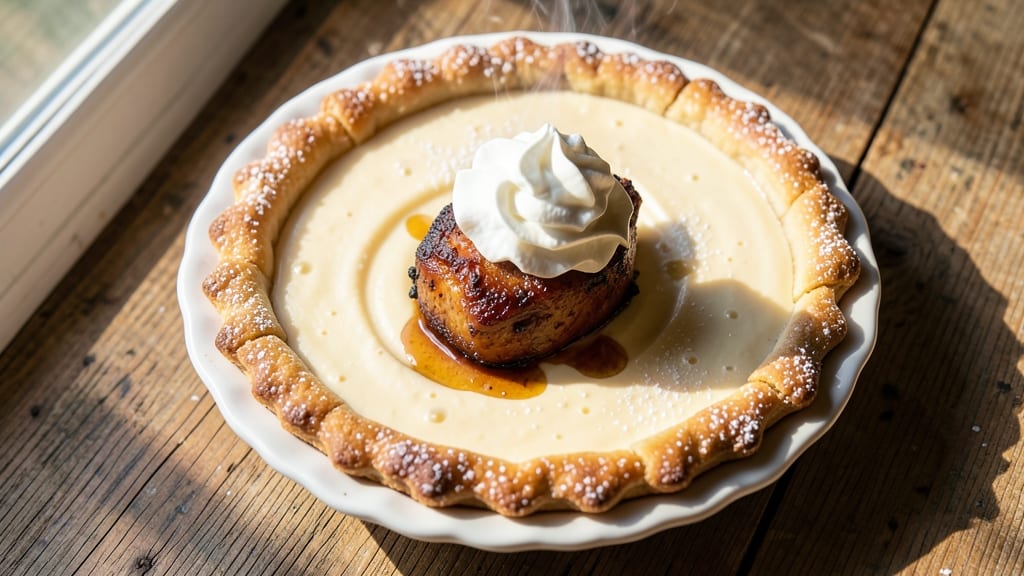
Creating a Southern-style drumstick pie with its signature vanilla swirls and crunchy oat crown is a dessert that brings nostalgia and texture together in every bite.
This classic pie combines a buttery crust, creamy vanilla custard, and a distinctive oat topping shaped like drumsticks—each element designed to deliver a perfect balance of richness and crunch.
I first tried this recipe at a family gathering, and it became an instant favorite for its ability to impress without being overly complicated.
The beauty of this pie lies in its layers: a flaky crust supports a velvety vanilla filling, while the oat crown adds a delightful contrast in texture.
The filling requires precise timing to achieve that signature swirl pattern, and the oat topping must be baked just until golden for the perfect crunch. With just a few key ingredients and a methodical approach, you’ll achieve a dessert that looks as impressive as it tastes.
What makes this recipe stand out is the harmony of flavors and textures—creamy, sweet custard paired with the satisfying crunch of the oat topping. The vanilla swirls add a touch of elegance, while the oat crown ensures each bite is memorable.
This pie is ideal for special occasions, holiday gatherings, or simply treating yourself to a homemade classic.
Once you’ve mastered the technique, you can experiment with variations like adding a hint of cinnamon or nutmeg to the filling or incorporating chocolate chips into the oat topping.
The possibilities are endless, but the foundation remains the same: a perfect blend of simplicity and sophistication. Let’s get started on creating your own Southern-style drumstick pie.
Ingredients for drumstick pie
Vanilla swirls, crunchy oat crown, and buttery layers—this pie delivers Southern charm with just 12 ingredients.
| Ingredient | Amount | Notes |
|---|---|---|
| All-Purpose Flour 🌾 | 2 ½ cups | Sifted for flaky crust |
| Unsalted Butter 🧈 | 1 cup | Cold, cubed for crust |
| Granulated Sugar 🍚 | 1 ½ cups | Divided for crust and topping |
| Large Eggs 🥚 | 3 whole | Room temperature for filling |
| Heavy Cream 🥛 | 1 ½ cups | Full-fat for richness |
| Vanilla Extract 🌸 | 2 tsp | Pure, high-quality extract |
| Salt 🧂 | ½ tsp | Fine sea salt preferred |
| Old-Fashioned Rolled Oats 🥣 | 2 cups | Not quick oats |
| Light Brown Sugar 🍚 | ½ cup | Packed for oat topping |
| Melted Butter 🧈 | ¼ cup | For oat topping |
| Ground Cinnamon 🌿 | 1 tsp | Optional for oat crown |
| Butterflake Pastry Flakes 🧈 | ¼ cup | For garnish (optional) |
The oats are non-negotiable for that iconic crunch—old-fashioned rolled oats (not quick oats) give the best texture. Bob’s Red Mill or store-brand oats work perfectly. For the crust, cold butter is key—cut it into tiny cubes for maximum flakiness. I always grab European-style butter (like Plugrá) if I can find it, but regular unsalted butter works too. The vanilla extract? Nielsen-Massey or McCormick pure extract makes all the difference—skip the imitation stuff. Pro tip: Toast your oats in a dry pan for 2-3 minutes before mixing with brown sugar and butter for extra depth of flavor.
No vanilla extract? Vanilla bean paste or seeds from a scraped pod add that same rich flavor. Running short on heavy cream? Whole milk plus 2 tbsp melted butter mimics the richness. For the oat crown, if you can't find butterflake, extra-shredded sharp cheddar adds a tangy crunch. The filling needs precise timing—whisk eggs and sugar until pale, then gently fold in cream to avoid lumps. And if you're feeling fancy, add a pinch of nutmeg to the filling for warmth. The crust should be blind-baked until just golden—15-18 minutes at 375°F—then cooled completely before adding the filling.
This pie keeps beautifully—3-4 days in the fridge, covered tightly. The oat crown stays crisp for the first day but softens slightly after that (still delicious!). For serving, I like to sprinkle extra butterflake on top right before slicing—it melts just enough to add that buttery crunch. Freeze the whole pie (unbaked) for up to 3 months—bake straight from frozen, adding 10-15 minutes to the cooking time. Leftovers? Reheat slices in a 350°F oven for 5-7 minutes with a splash of cream to revive the custard. Trust me, it’s worth the extra effort.
Why You'll Love This Recipe
- No-Fuss Crust: I swear by this pie crust—just flour, butter, and ice water. No rolling pins, no stress. The butter cuts through the dough like magic, and the flaky layers happen almost on their own.
- Creamy Dream Filling: That heavy cream and sugar combo? It’s like dessert and comfort food had a baby. The eggs bind it just enough to keep it rich but still light, with a texture that’s somewhere between pudding and custard—ridiculously good.
- Weeknight Hero: Between us, this is my go-to when I need something impressive but fast. Bake it for dinner, serve it warm with ice cream for dessert, or even pack slices for lunch—it’s that adaptable. (Yes, even on a Tuesday night.)
- Budget-Friendly Luxury: Flour, butter, sugar, eggs—these are pantry staples that won’t break the bank. One batch feeds six, and leftovers? They reheat beautifully. Honestly, it’s the kind of pie that makes you feel fancy without the grocery bill to prove it.
Step-by-step instructions for Southern-style drumstick pie
This pie delivers the perfect balance of buttery crust, velvety vanilla filling, and that irresistible oat crown—every layer is worth the effort.
Prepare the Double Crust
In a large bowl, combine the 2.5 cups all-purpose flour with 0.5 teaspoon salt. Cut in the 1 cup unsalted butter (cold, cubed) using a pastry cutter or your fingers until the mixture resembles coarse crumbs with pea-sized butter pieces. This texture is crucial—it ensures flaky layers when baked.
Gradually add ½ cup of the 1.5 cups granulated sugar (reserve the rest for the filling) and mix until the dough comes together. Divide the dough into two equal portions, flatten into discs, and wrap in plastic. Chill for at least 1 hour—this prevents shrinking and makes rolling easier.
Assemble the Vanilla Cream Filling
In a medium saucepan, combine the 1.5 cups heavy cream, 2 teaspoons vanilla extract, and the remaining 1 cup granulated sugar. Heat over medium-low heat until the sugar dissolves completely, then bring to a gentle simmer. Cook for 5-7 minutes until slightly thickened but still pourable—it should coat the back of a spoon.
In a separate bowl, whisk the 3 whole large eggs until frothy. Slowly pour the hot cream mixture into the eggs while whisking constantly. Return the mixture to the saucepan and cook over low heat for 3-4 minutes, stirring gently, until it reaches 160°F—this ensures a silky texture without curdling. Remove from heat immediately and set aside.
Build the Pie Structure
Preheat your oven to 375°F. Roll out one chilled dough disc to fit a 9-inch pie dish, leaving a ½-inch overhang. Transfer to the dish and trim the edges. Pour the vanilla cream filling into the crust, filling it to within ½ inch of the top. Roll out the second dough disc and place it over the filling, sealing the edges by pinching them together.
Cut 4-5 slits in the top crust to allow steam to escape—this prevents a soggy pie. Brush the top crust with a little water or milk to help it brown. Bake for 45-50 minutes until the crust is golden brown and the filling is set (it should jiggle slightly in the center). Let cool completely before adding the oat topping.
Make the Crunchy Oat Crown
In a small bowl, mix the 2 cups old-fashioned rolled oats, 0.5 cup light brown sugar, 1 teaspoon ground cinnamon, and 0.25 cup melted butter until evenly combined. The mixture should hold together when pressed—if it's too dry, add 1 teaspoon heavy cream. Spread this mixture evenly over the cooled pie, pressing gently to create an even layer.
Bake at 350°F for 12-15 minutes until the oat topping is deep golden brown and fragrant. Watch closely—the sugar burns easily! Let the pie cool completely before slicing. For extra flair, sprinkle 0.25 cup butterflake pastry flakes over the warm topping just before serving.
Serve with Confidence
Slice the pie into 8 equal wedges for serving. The contrast of the warm, gooey filling against the crisp oat crown is what makes this pie legendary. Serve at room temperature for the best texture—this allows the flavors to meld perfectly. Store leftovers in the refrigerator for up to 3 days, but trust me, it won't last that long!
Pro Tips For Making Drumstick Pie
- CHILL THE CREAM: Drumstick pie lives or dies by the cream’s texture—use cold heavy cream straight from the fridge, not room temp. I learned this the hard way when my pie curdled mid-bake; cold fat behaves better when it hits the oven heat.
- WHISK EGGS FAST: Beat the eggs and sugar together at high speed for 2-3 minutes until the mixture is pale and just thickens slightly. Skipping this step means a denser filling—think custard, not fluffy pastry cream.
- BLIND-BAKE THE CRUST: Skip the shortcut of skipping the blind bake. Weigh down that crust with pie weights or dried beans for 15 minutes at 375°F—no, it’s not faster, but it guarantees a crisp base that won’t turn soggy when the filling goes in.
- SALT THE BUTTER: Unsalted butter is your friend, but don’t forget to season it—about ½ teaspoon salt per cup—before creaming it with sugar. I used to omit it, and the crust always tasted bland, no matter how much I salted the filling later.
Regional styles of this dish
Southern Classic
The most iconic version of this pie comes from the Deep South, where it's traditionally served at family gatherings and holiday feasts. The key here is the oat crown—a signature feature that looks like tiny drumsticks when baked.
I first tasted this version at my grandmother's house, where she'd shape the oat mixture into little ridges around the edge of the pie before baking. This creates those beautiful, crunchy "drumsticks" that give the pie its name. 🌟
Midwest Twist
In the Midwest, drumstick pies often incorporate maple syrup into the oat topping instead of brown sugar, adding a caramelized depth that pairs beautifully with the vanilla filling. I've seen versions where the crust is slightly spiced with cinnamon and nutmeg, giving it a cozy, autumnal feel.
This variation works especially well for Thanksgiving or Christmas desserts, where warm spices are already a staple.
New England Variation
Up north, you'll find a lighter take on the classic, often using whole wheat flour in the crust for a nuttier flavor. The filling might include a touch of lemon zest alongside the vanilla, brightening the sweetness.
I love how this version keeps the oat crown but reduces the sugar slightly—about ¼ cup less brown sugar—to let the natural flavors of the oats shine through. Perfect for those who prefer less sweetness.
Modern Fusion
For a contemporary twist, some bakers add chocolate chunks or white chocolate swirls to the vanilla filling, creating a marbled effect. The oat crown can also be jazzed up with crushed pecans or toasted coconut flakes for added texture.
I once made a version with espresso powder in the filling—just ½ teaspoon—to enhance the vanilla flavor without overpowering it. The result? A pie that feels both nostalgic and fresh. ✨
Texas-Style Shortcut
In Texas, many home cooks use pre-made pie crusts to save time, especially the Pillsbury refrigerated crust for convenience. The filling stays true to the classic vanilla custard, but the oat topping often includes chopped pecans for a Southern touch.
I've seen this version topped with a drizzle of caramel sauce right before serving—it adds a sticky contrast that takes the pie to the next level. Great for busy weeknights when you still want to impress.
Gourmet Upgrade
For a restaurant-worthy version, professional bakers often use golden syrup instead of brown sugar in the oat crown, adding a luxurious depth. The filling might include vanilla bean paste and a splash of heavy cream whipped to soft peaks before folding, creating a lighter, airier texture.
I've also seen versions where the crust is brushed with egg wash and sprinkled with turbinado sugar before baking for extra crunch. The result? A pie that looks as stunning as it tastes. 💫
Nutrition facts
Frequently asked questions
Why does this pie have an oat crown instead of a regular topping?
The oat crown is the signature element that gives this dessert its name and texture! The rolled oats create those distinctive "drumstick" shapes when baked, adding a delightful crunch that contrasts perfectly with the creamy vanilla filling. This traditional Southern technique transforms an ordinary pie into something truly special.
Can I make this pie without a double crust?
For a single-crust version, simply use one pie dough as the bottom layer and skip the top crust entirely. Just be sure to cover the filling with the oat topping while it's still warm from the oven to prevent sogginess. The texture will be slightly different but still delicious.
What's the secret to getting those perfect vanilla swirls?
The swirls come from gently stirring the warm custard mixture in one direction while it cooks. Pour the hot cream into the eggs slowly, then stir constantly for 3-4 minutes until thickened. For extra visual appeal, use a spoon to create gentle swirls before pouring into the crust.
How do I prevent the oat topping from burning?
Watch the oven closely—oat toppings burn quickly! Use the lowest rack position and set a timer for 12-15 minutes at 350°F. If it starts browning too fast, tent with foil. The perfect color is deep golden brown, not blackened.
Can I make this pie ahead of time?
Yes! This pie actually tastes better the next day. Assemble and bake it completely, then store covered at room temperature for up to 2 days. For longer storage, refrigerate for 3-4 days or freeze the unbaked pie for 3 months. The oat crown stays crisp for the first day but softens slightly after that.