
Desserts
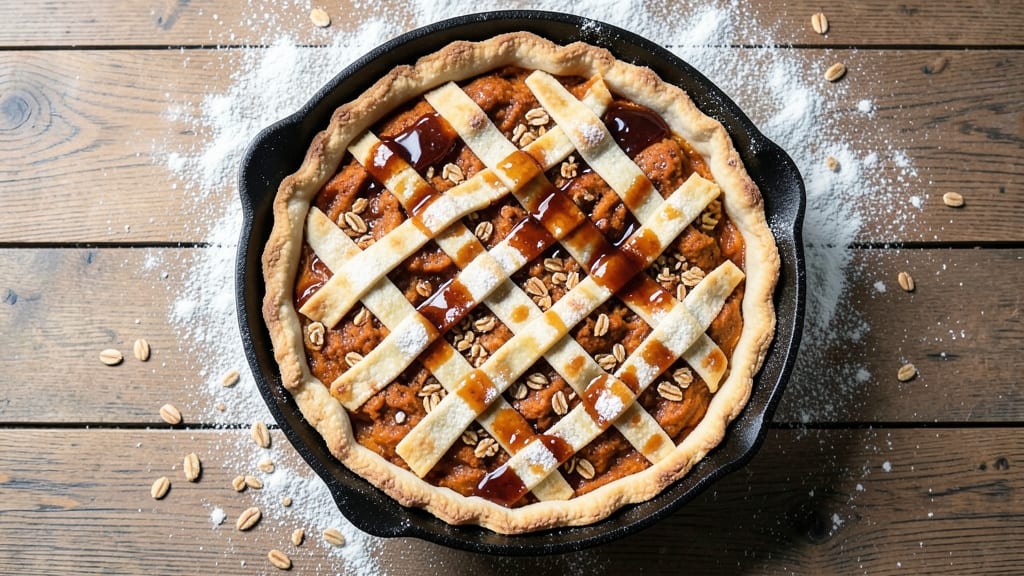
This depression pie recipe brings back the comforting flavors of Southern kitchens, where sweet potato filling meets a golden oat crown kissed with molasses. The name may sound somber, but every bite is pure warmth—vanilla swirls cutting through rich, spiced filling that tastes like home.
I first made this during a chilly November when I needed something hearty enough to feed a crowd but simple enough to bake without stress.
The beauty of this pie lies in its layers: a tender sweet potato filling spiced with cinnamon and nutmeg, swirled with vanilla custard, and topped with a crumbly oat crown that caramelizes into a molasses-kissed crust.
Unlike fussy desserts, this one relies on pantry staples and a foolproof technique that delivers restaurant-quality results with minimal fuss. The filling stays moist while the crust turns golden and fragrant, creating the perfect balance of textures.
By the time it emerges from the oven, you’ll have a pie that smells like nostalgia—warm spices, buttery crust, and that unmistakable molasses sweetness. It’s the kind of dessert that disappears quickly, leaving only crumbs and happy memories behind.
Serve it warm with vanilla ice cream or whipped cream for the full experience.
This recipe scales beautifully for gatherings or keeps well for days, making it ideal for holidays or spontaneous get-togethers. Let’s bring back this classic Southern treat with a modern twist.
Ingredients for depression pie
Pantry staples and a few specialty touches create this nostalgic Southern classic.
| Ingredient | Amount | Notes |
|---|---|---|
| Sweet Potatoes 🍠 | 2 ½ lbs | Peeled and cubed for even cooking |
| All-Purpose Flour 🌾 | 2 cups | For sweet potato filling |
| Granulated Sugar 🍚 | 1 ½ cups | Light brown preferred for depth |
| Unsalted Butter 🧈 | 1 cup | Cold, cubed for crust |
| Old-Fashioned Oats 🌾 | 2 cups | Quick or rolled for texture |
| Molasses 🍯 | ½ cup | Unsulphured for authentic flavor |
| Large Eggs 🥚 | 2 whole | Room temperature for custard |
| Heavy Cream 🥛 | 1 cup | Full-fat for richness |
| Vanilla Extract 🍃 | 2 tsp | Pure extract preferred |
| Ground Cinnamon 🌶️ | 2 tsp | Freshly ground for warmth |
| Ground Nutmeg 🌶️ | ½ tsp | Freshly grated preferred |
| Salt 🧂 | 1 tsp | Kosher or sea salt |
| Ground Ginger 🌿 | ½ tsp | For subtle spice depth |
| Vanilla Ice Cream 🍦 | 2 cups | For serving suggestion |
The sweet potatoes are the heart of this pie—choose firm, vibrant orange ones with no soft spots. Most grocery stores carry them year-round, but local farmers markets in fall often have the freshest selection. For the filling, light brown sugar adds depth over white, and unsulphured molasses is a must for authentic flavor. I always grab mine from the baking aisle at Whole Foods, but any reputable grocery store will have it. The oats? Old-fashioned or rolled give that perfect crumbly texture—quick oats work in a pinch but won't be as rich.
No molasses? Substitute 1/4 cup maple syrup plus 1/4 cup brown sugar for a similar sweetness profile. Running low on vanilla extract? Vanilla bean paste works beautifully—just scrape out the seeds. For the custard, half-and-half can replace heavy cream, though the texture will be slightly lighter. The spices are non-negotiable though—freshly ground cinnamon and nutmeg make all the difference. If you can't find unsulphured molasses, regular molasses works but has a stronger flavor. For the crust, pecan pieces add lovely texture if you want to get fancy.
This pie keeps beautifully—3-4 days refrigerated or 2 months frozen. The filling can be made ahead and stored separately for 2 days before baking. For serving, I like to reheat slices at 350°F for 10 minutes to revive the crust. The oat crown stays crisp even after reheating, making it perfect for potlucks or holiday gatherings. Portion into individual slices for easy serving—everyone loves a pie that's already cut!
Why You'll Love This Recipe
- No-Waste Magic: I roast the sweet potatoes until caramelized—those peels? Pure gold. Toss them right into the pie filling, and suddenly you’ve got a rich, earthy depth without extra effort.
- Sweet Crunch Core: That oat topping isn’t just decoration—it’s the star. Toasted oats and butter create a buttery, crunchy crust that melts into the creamy sweet potato filling. Honestly, the first bite makes me pause.
- Weeknight Workhorse: Make a double batch on Sunday, and you’ve got breakfast for a week. Slice it up, reheat, or serve it cold—it’s just as good the third day, and way cheaper than takeout.
- Pantry Hug: Sweet potatoes, flour, sugar, butter—these are ingredients you already own. Between us, this pie costs half what a store-bought dessert would, and it’s way more satisfying. (Yes, even on a Tuesday night.)
Step-by-step instructions for Depression pie recipe
This classic pie combines a spiced sweet potato filling with a molasses-kissed oat crust, delivering nostalgic comfort in every bite.
Prepare the Sweet Potato Filling
Preheat your oven to 375°F. In a large bowl, combine the 2.5 lbs peeled and cubed sweet potatoes, the 1.5 cups granulated sugar, 2 tsp ground cinnamon, 0.5 tsp ground nutmeg, 0.5 tsp ground ginger, and 1 tsp salt. Mix until the sweet potatoes are evenly coated in the spice-sugar mixture.
Transfer the mixture to a greased 9x13-inch baking dish and spread it out evenly. Bake for 45-50 minutes until the sweet potatoes are tender and the edges begin to caramelize. You'll know it's ready when a knife slides in easily and the filling has thickened noticeably. Remove from the oven and let it cool slightly while you prepare the crust.
Make the Molasses-Oat Crust
In a separate bowl, combine the 2 cups old-fashioned oats, 2 cups all-purpose flour, and 1 tsp salt. In another bowl, melt the 1 cup unsalted butter and mix it with the 0.5 cup molasses and 2 tsp vanilla extract. Pour the wet ingredients into the dry ingredients and stir until a thick, crumbly dough forms.
Press this mixture firmly into the bottom of a 9-inch pie dish, creating an even layer about ¼-inch thick. I like to use the bottom of a glass to press it down evenly. Bake the crust alone for 10-12 minutes at 375°F until it's set and beginning to turn golden. Remove from the oven and let it cool slightly before adding the filling.
Assemble and Bake the Pie
Once the sweet potato filling has cooled to room temperature, spread it evenly over the baked crust. Return the pie to the oven and bake for an additional 30-35 minutes until the filling is set and bubbling at the edges. The center should still have a slight wobble when gently shaken.
While the pie bakes, prepare the vanilla swirl by whisking together the 2 whole large eggs, 1 cup heavy cream, and 2 tsp vanilla extract in a small bowl. Once the pie has baked for 20 minutes, carefully pour this mixture over the top in a zigzag pattern. Return to the oven for the remaining 10-15 minutes until the custard is set and golden brown.
Cool and Serve
Remove the pie from the oven and let it cool completely on a wire rack. This cooling step is crucial—it allows the layers to set properly and prevents a runny filling. Once fully cooled, serve with 2 cups vanilla ice cream on the side or dolloped on top for a classic Depression-era presentation.
Each slice should have a perfectly spiced sweet potato filling, a crisp molasses-oat crust, and a smooth vanilla custard swirl that ties everything together. The pie tastes even better the next day as the flavors meld, making it ideal for meal prep or special occasions.
Pro Tips For Making Depression Pie
- Boil Sweet Potatoes Until Fork-Tender: I learned this the hard way—undercooked sweet potatoes turn to mush in the filling, while overcooked ones make the pie dense. Aim for a knife that slides in like butter: the edges should give way, but the center holds shape. Drain them well afterward, or you’ll end up with a soggy bottom.
- Toast Oats Until Nutty: Skip the raw oats—they’ll turn to paste and ruin the texture. Dry-toast them in a skillet over medium heat until they smell like toasted bread (about 5 minutes), stirring often. This adds crunch and depth that raw oats just can’t match.
- Mix Butter and Sugar First: Cream the cold butter and sugar until light and fluffy before adding anything else. This creates tiny air pockets that make the filling lighter, and it prevents the oats from absorbing all the moisture at once. (Yes, even if you’re impatient like me.)
- Bake at 350°F—Not Higher: Depression pie needs slow, steady heat to let the filling set properly. If you crank it to 375°F, the top will brown too fast while the center stays doughy. A 350°F oven guarantees a creamy, fully cooked pie—no guesswork.
Wine and beer pairings for this depression pie
Spiced Wine Pairings
This pie’s warm spices—cinnamon, nutmeg, and ginger—pair beautifully with mulled wine or spiced red blends. I love Black Forest Cabernet from Germany, which balances the pie’s sweetness with its dark fruit and earthy notes.
For a cozier option, try Moscato d’Asti—its light sweetness and floral aroma complement the molasses-kissed crust without overpowering the filling. 🍷
Creamy Beer Complements
A honey brown ale like New Belgium Fat Tire cuts through the richness of the sweet potato filling while enhancing the molasses notes. For a lighter option, Belgian witbier (like Stella Artois 10°) adds a citrusy contrast that brightens each bite.
Avoid heavy stouts—they’ll clash with the pie’s delicate custard swirls.
Coffee Liqueur Twist
For an after-dinner sip, mix 2 oz Kahlúa with 1 oz vanilla ice cream (strained) and a splash of heavy cream. The coffee’s bitterness balances the pie’s sweetness, while the ice cream ties back to the dessert’s classic presentation. Serve chilled in small glasses for a sophisticated finish. ☕
Non-Alcoholic Options
Sparkling ginger beer (like Feather’s Ginger Beer) mirrors the pie’s spiced sweetness without alcohol. For a creamy alternative, blend vanilla ice cream with chilled apple cider—the tartness refreshes your palate between bites. Both work perfectly for family gatherings where alcohol isn’t an option.
Regional Wine Adaptations
In the South, where this pie originated, sweet Mississippi Riesling is a local favorite—its honeyed notes echo the molasses crust. For Northern bakers, dry Riesling from Germany offers acidity to cut through the richness.
Always opt for chilled whites or light reds to avoid overwhelming the dessert’s delicate layers.
Nutrition facts
Frequently asked questions
Why is this called "depression pie" if it's so delicious?
The name comes from its origins during the Great Depression era, when families relied on simple, budget-friendly ingredients like sweet potatoes, flour, and molasses. It was a way to create something comforting and filling using pantry staples. The name doesn't reflect the flavor—this pie is anything but depressing!
Can I make this pie without molasses?
Yes! Substitute 1/4 cup maple syrup plus 1/4 cup brown sugar for the molasses in the crust. The crust will still be flavorful, though slightly less rich. For the filling, you can also reduce the sugar slightly since maple syrup is sweeter. The texture will remain crumbly and delicious.
How do I prevent the custard swirl from curdling?
Always use room-temperature eggs and cream for the custard. Temper the eggs by whisking them with a little warm filling before combining with the cold cream. Bake the pie at 350°F (not higher) and avoid opening the oven door during the custard's final 10 minutes of baking. This keeps the custard smooth and creamy.
Is this pie gluten-free?
Not traditionally, but you can adapt it! Replace the all-purpose flour in the crust with a 1:1 gluten-free baking flour blend. For the filling, ensure your spices are certified gluten-free. The oats in the crust should be certified gluten-free as well. The texture will be slightly different but still delicious.
Can I make this ahead of time?
The filling can be prepared 2 days ahead and stored in the fridge. The crust can be baked and cooled, then wrapped and refrigerated for 3 days. Assemble the pie just before baking. For best results, serve it at room temperature after reheating slices at 350°F for 10 minutes to revive the crust.