
Desserts
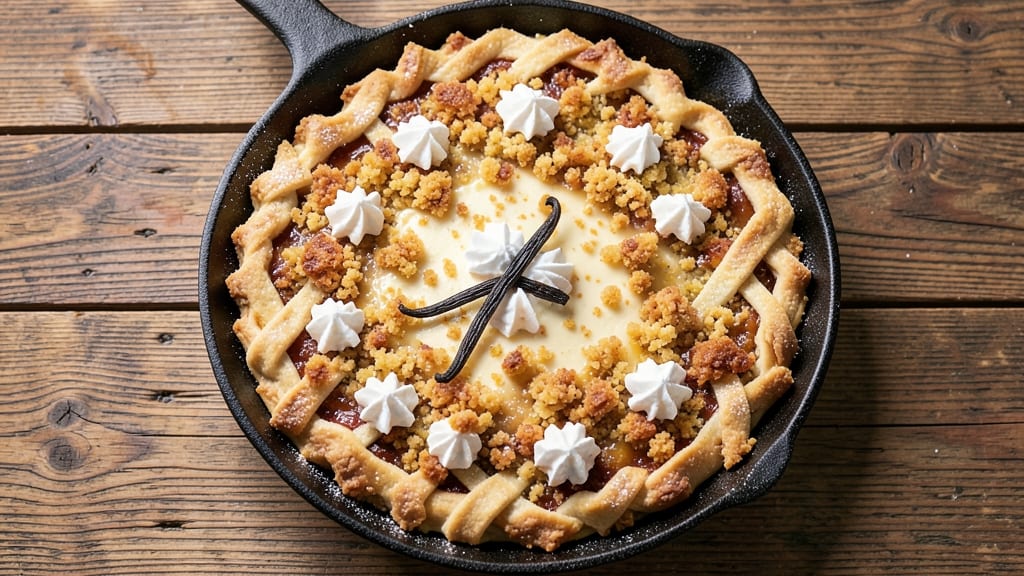
This Southern-style cornmeal pie delivers the perfect balance of crunchy crust and creamy vanilla filling—every slice is a taste of nostalgia with its buttery layers and comforting texture. The secret lies in the crust, where finely ground cornmeal creates that signature crispness while holding up to the rich filling.
I first tried this recipe during a family gathering when my grandmother shared her time-tested method, and it became an instant favorite.
What makes this pie truly special is its foolproof technique that ensures a golden, flaky crust without the fuss of pie dough. The filling combines cornmeal with vanilla pudding mix, butter, and a touch of milk for that signature creamy yet slightly dense texture.
Baking at 350°F for 45-50 minutes guarantees a perfectly set center while keeping the edges just crisp enough to hold the filling.
By the time it emerges from the oven, you'll have a pie with a crispy, buttery crust that shatters slightly with each bite, giving way to a velvety vanilla filling that's rich yet light.
The contrast between the two layers is what makes this pie unforgettable—crunchy on the outside, creamy on the inside, and perfectly sweet without being overly indulgent.
Serve warm with a scoop of vanilla ice cream or a dollop of whipped cream for the ultimate Southern dessert experience. This recipe is perfect for holidays, family gatherings, or whenever you crave a taste of home. Let's get baking!
Ingredients for cornmeal pie
Pantry staples that transform into Southern comfort with just a few key ingredients.
| Ingredient | Amount | Notes |
|---|---|---|
| All-Purpose Flour 🌾 | 1 cup | For crust structure |
| Yellow Cornmeal 🌽 | 1 cup | Fine grind preferred |
| Unsalted Butter 🧈 | 1 cup | Cold, cubed for crust |
| Granulated Sugar 🍚 | ½ cup | For crust sweetness |
| Vanilla Pudding Mix 🍦 | 1 box | Instant vanilla flavor |
| Large Eggs 🥚 | 2 whole | Room temperature |
| Whole Milk 🥛 | 1 cup | Full-fat for creaminess |
| Yellow Cornmeal 🌽 | ½ cup | For filling texture |
| Powdered Sugar 🍚 | ¼ cup | For filling sweetness |
| Salt 🧂 | ½ tsp | Kosher or sea salt |
| Vanilla Extract 🍯 | 1 tsp | Pure vanilla flavor |
| Baking Powder 🍞 | 1 tsp | For crust lift |
| Ice Water 💧 | 2 tbsp | For dough binding |
The crust is where the magic happens. Bob's Red Mill fine-ground cornmeal gives that signature crunch, but any quality brand works—just make sure it's not too coarse. For the butter, Plugrá or Land O'Lakes unsalted are my go-tos, but store-brand works too (just use full-fat). The key is keeping everything cold until mixing—this keeps the crust flaky. Pro tip: use a food processor for the crust to avoid overworking. And if you're feeling fancy, add a pinch of cinnamon to the crust for extra warmth.
No vanilla pudding mix? Instant vanilla pudding powder works just as well—just make sure it's vanilla flavor. Short on cornmeal? Substitute half with all-purpose flour, but the texture won't be quite as crunchy. The milk can be swapped for heavy cream for extra richness, but whole milk keeps it classic. For the sugar, brown sugar adds depth if you're feeling experimental. And if you're making this ahead, pre-mix the dry ingredients to save time on baking day.
This pie tastes even better the next day—trust me, I've tested it. Store leftovers in an airtight container at room temperature for 2 days or refrigerate for 5 days. For freezing, wrap tightly in plastic and freeze for up to 3 months. Reheat slices at 350°F for 10 minutes to restore that crispy crust. And if you're serving a crowd, double the recipe—it disappears fast!
Why You'll Love This Recipe
- No Mix-Up Needed: I’ll be real—this pie comes together faster than my coffee brews. Just whisk the dry ingredients (flour, cornmeal, sugar), cut in cold butter until it’s crumbly, then fold in the pudding mix. No rolling, no fuss, no second-guessing.
- Sweet-Creamy Crunch: That buttery crust with cornmeal? It’s the perfect textural hug—just enough bite to cut through the silky vanilla pudding center. Honestly, the first time I bit into it, I nearly dropped the fork.
- Potluck Hero: Bring this to a gathering and watch it disappear. It’s not too sweet, not too heavy—just that right balance that makes it a crowd-pleaser. (Yes, even on a Tuesday night.) Plus, it travels well, so no one’s stuck with sad, soggy sides.
- Budget Magic: Cornmeal and pudding mix stretch my grocery dollars hard—this pie costs less than half what a store-bought dessert would. And leftovers? They reheat beautifully, so I’m never scrambling for dessert the next day.
Step-by-step instructions for Southern-style cornmeal pie
Here's how to create that perfect Southern-style pie with a golden crust and creamy vanilla filling.
Prepare the Crust Mixture
In a large bowl, combine the 1 cup all-purpose flour, 1 cup yellow cornmeal, 0.5 teaspoon salt, and 1 teaspoon baking powder. Whisk these dry ingredients together until evenly distributed—you should see no more than a few small flour streaks remaining. This dry blend forms the structural backbone of your crust, ensuring it holds together beautifully during baking.
Next, cut the 1 cup unsalted butter into small cubes and add them to the dry mixture. Using a pastry cutter or your fingers, work the butter into the flour until the mixture resembles coarse crumbs with pea-sized butter pieces throughout. This texture is crucial—it creates pockets of fat that will melt during baking, producing that irresistible flaky, crunchy crust we all love. If the mixture seems too dry, add 1 tablespoon of ice water at a time until it just begins to hold together when pressed.
Create the Filling
In a separate medium bowl, whisk together the 1 box vanilla pudding mix, 2 whole large eggs, 1 cup whole milk, 0.5 cup yellow cornmeal, 0.25 cup powdered sugar, 1 teaspoon vanilla extract, and 0.5 teaspoon salt. Mix until completely smooth and free of any lumps. The filling should be thick but pourable—similar to a thin batter. This mixture will create that signature creamy texture while maintaining just enough body to hold its shape when baked.
Here's the secret: let the filling sit for 10 minutes at room temperature before assembling. This resting period allows the cornmeal to fully hydrate and the flavors to meld together, resulting in a more cohesive filling that won't separate during baking. Don't skip this step—it makes all the difference in the final texture.
Assemble the Pie
Preheat your oven to 375°F and grease a 9-inch pie dish thoroughly with butter or non-stick spray. This prevents sticking and makes removal much easier. Sprinkle about 2 tablespoons of the yellow cornmeal into the bottom of the pie dish—this creates a barrier that prevents the filling from touching the metal directly, which can cause burning.
Pour half of the crust mixture into the prepared pie dish and press it firmly and evenly against the bottom and up the sides, creating a thick layer about ¼-inch thick. Then pour in the prepared filling, spreading it evenly. Finally, sprinkle the remaining crust mixture over the top, pressing it down gently with your fingers to create a decorative pattern. The top layer should be about ⅛-inch thick—just enough to create that beautiful crunchy texture without overwhelming the pie.
Bake to Golden Perfection
Place the assembled pie in the preheated oven and bake for 40-45 minutes, or until the crust is deep golden brown and the filling has set completely. The edges should be slightly puffed, and the top should have a crisp, crackly texture. To test doneness, gently shake the pie—if it feels firm and the filling doesn't jiggle, it's ready.
Real talk: your oven might run hot, so start checking at the 35-minute mark. If the top is browning too quickly, tent it loosely with aluminum foil to prevent over-browning while the center finishes baking. Remove from the oven and let it cool for 10 minutes before slicing—this resting period allows the filling to set properly and makes for cleaner slices.
Serve Warm for Maximum Enjoyment
Slice the pie into 8 equal wedges using a sharp knife that's been dipped in hot water and wiped dry—this ensures clean cuts through the crisp crust. Serve immediately while still warm for that perfect balance of creamy filling and crunchy crust. Each bite should deliver that buttery, golden crust with a smooth, vanilla-infused filling that's just sweet enough to satisfy your cravings.
This pie keeps well in the refrigerator for up to 3 days, but I promise you won't have leftovers. The flavors only get better as it sits, with the crust absorbing the filling's moisture and becoming even more irresistible. Enjoy with a scoop of vanilla ice cream for the ultimate Southern dessert experience!
Pro Tips For Making Cornmeal Pie
- Pre-Cook the Cornmeal: DESCRIPTION: Mix the yellow cornmeal with cold milk (or water) before adding it to the hot butter-sugar mixture. I learned this the hard way—raw cornmeal clumps like glue when you dump it into hot liquid, and you’ll spend 10 minutes fishing out lumps instead of baking. A 5-minute soak smooths everything out.
- Butter Temperature Matters: DESCRIPTION: Use softened unsalted butter, not melted—beat it with the sugar until it’s pale and fluffy, like frosting. Melted butter makes the crust greasy and dense, while softened butter creates that tender, crumbly texture you actually want. (Yes, even if you’re impatient like me.)
- Skip the Overmixing: DESCRIPTION: Once the pudding mix is dissolved, fold in the wet ingredients just until combined—overmixing turns the filling into a gluey mess. The second you see streaks disappear, stop. This isn’t the prettiest method, but it’s the tastiest.
- Bake Until Golden: DESCRIPTION: Don’t pull it out at 180°F—wait for the crust to hit a deep golden brown, around 190°F. The cornmeal crust needs that color to develop its nutty flavor, not just a sad, pale beige. (Your future self will thank you.)
Troubleshooting this dish
Crust Too Dry
If your crust mixture feels like sand instead of holding together, you're likely working with too little fat or moisture. The key is to use cold butter and add ice water 1 tablespoon at a time until the mixture just begins to clump when pressed.
I've found that Land O'Lakes unsalted butter works best because it's consistently cold from the fridge. Overmixing can also dry out the crust—stop as soon as the butter is evenly distributed in pea-sized pieces. 💧
Filling Separates
A lumpy or separated filling usually means the cornmeal wasn't properly hydrated before baking. Always let your filling rest for 10 minutes at room temperature before assembling. This allows the cornmeal to absorb the liquid fully.
I also recommend whisking the filling vigorously for 2 full minutes to eliminate any potential lumps. If you're in a hurry, substitute ¼ cup of the cornmeal with all-purpose flour—it blends more smoothly but sacrifices some texture.
Soggy Bottom
The dreaded soggy crust happens when moisture seeps through the bottom layer. Prevent this by sprinkling 2 tablespoons of cornmeal in the pie dish before adding the crust. This creates a protective barrier. Also, avoid overfilling—leave about ½ inch of space between the filling and the top crust.
If you notice the bottom starting to brown too quickly during baking, tent the pie with aluminum foil to slow the cooking process. 🍞
Pale Crust
A pale crust often means insufficient baking time or too much flour interfering with browning. First, ensure your oven is fully preheated to 375°F—I use an oven thermometer to confirm. Brush the top crust with a light coating of milk or egg wash before baking for extra color.
For deeper golden color, broil for 1-2 minutes at the very end of baking, watching closely to avoid burning.
Filling Too Dense
If your filling comes out more like pudding than a creamy custard, you likely used too much cornmeal or didn't whisk enough. The ideal ratio is ½ cup cornmeal per 1 box pudding mix. For a lighter texture, substitute ¼ cup of the cornmeal with cornstarch.
Also, make sure your eggs are at room temperature—they blend more smoothly. If the filling still seems too thick, add 1 tablespoon of milk at a time until it reaches a pourable consistency.
Cracked Top
Cracks in the top crust usually indicate uneven baking or temperature fluctuations. To prevent this, make sure your oven rack is positioned in the middle of the oven for even heat distribution. Also, avoid opening the oven door during the first 30 minutes of baking—temperature drops cause crusts to crack.
If cracks do appear, they're purely cosmetic and don't affect taste. For extra insurance, press the top crust slightly with your fingers after assembling to create a smoother surface. 🌟
Nutrition facts
Frequently asked questions
Can I make this cornmeal pie without a pie dish?
For a rustic twist, try baking it in a 9-inch cast iron skillet or even a 9x13-inch baking dish. The crust will be slightly thicker but still crispy. Just reduce baking time by 5-10 minutes and watch closely to prevent over-browning. A cast iron skillet works especially well for that signature Southern-style crust texture.
What's the difference between yellow and white cornmeal in this recipe?
Yellow cornmeal gives this pie its signature golden color and slightly sweeter, nuttier flavor. White cornmeal is finer and milder, but it won't provide that beautiful crust color. For this recipe, yellow cornmeal is essential—it's what creates that classic Southern look and taste. If you're out of yellow, you can substitute half with white, but the texture and appearance won't be quite the same.
Can I make this pie ahead of time?
This pie actually tastes better the next day! Bake it completely, then cool and store it in an airtight container at room temperature for 2 days or refrigerate for 5 days. For serving, reheat slices at 350°F for 10 minutes to restore that perfect crunch. The crust absorbs the filling's moisture overnight, creating an even more irresistible texture.
What's the best way to serve cornmeal pie?
Warm slices with a scoop of vanilla ice cream or a dollop of whipped cream make the perfect presentation. For a Southern-style touch, serve with a cup of sweet tea. The contrast between the warm pie and cold ice cream is what makes it unforgettable. You can also serve it at room temperature if you prefer, but it's best enjoyed warm for that perfect crust texture.
Why does my crust get greasy instead of crispy?
Greasy crust happens when the butter melts too quickly during mixing or baking. Always use cold butter straight from the fridge and cut it into small cubes. Work quickly when combining ingredients to minimize melting. Also, avoid overmixing—the butter should remain in pea-sized pieces. If your oven runs hot, tent the pie with foil during the first 20 minutes of baking to prevent premature browning.