
Desserts
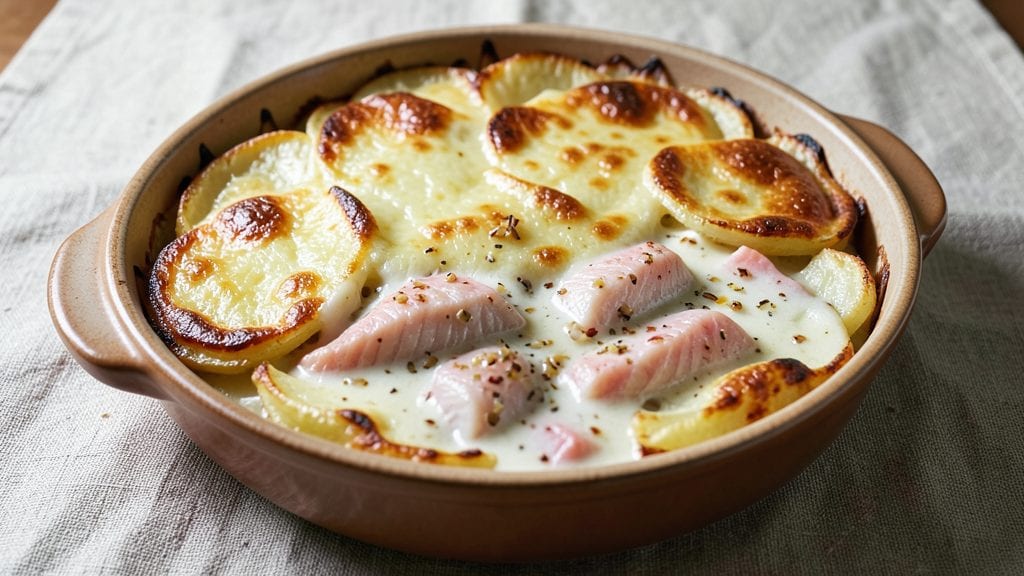
This classic fish pie recipe brings comfort food tradition to your table with its signature crispy top and velvety cheese filling. The British roots shine through in every layer—tender fish, creamy sauce, and a golden crust that seals in all the warmth.
I've perfected the balance between flaky pastry and rich mashed potato topping, ensuring that first bite delivers both texture and flavor.
The secret to a restaurant-quality fish pie lies in the preparation: fresh white fish poached just until tender, combined with a velvety cheese sauce that's neither too heavy nor too light. The potato topping, whether mashed or sliced, creates that coveted crispy crust when baked to golden perfection.
This dish is all about layering—each component must be just right to achieve that harmonious blend of textures and flavors.
What makes this recipe truly special is how it transforms simple ingredients into something extraordinary. The fish filling stays moist and flavorful, the cheese sauce is rich yet balanced, and the topping achieves that perfect crispy edge without sacrificing tenderness underneath.
It's the kind of dish that feels like a hug on a chilly evening, with every bite offering a taste of British comfort food tradition.
Whether you're serving this as a family dinner or bringing it to a potluck, the classic fish pie never disappoints.
The instructions are straightforward, but the results are anything but ordinary—this is comfort food at its finest, with a crispy top that's impossible to resist and a creamy filling that melts in your mouth. Let's get started on creating this timeless dish.
Ingredients for classic fish pie
Four layers of British comfort—creamy fish filling, golden potato topping, and crispy pastry magic.
| Ingredient | Amount | Notes |
|---|---|---|
| White Fish Fillets 🐟 | 1 ½ lb | Cod, haddock, or pollock preferred |
| Heavy Cream 🥛 | 1 cup | Full-fat for velvety texture |
| Whole Milk 🥛 | ½ cup | Warmed for smooth sauce |
| Sharp Cheddar Cheese 🧀 | 1 ½ cups | Shredded, aged for flavor |
| Russet Potatoes 🥔 | 2 lbs | Starchy, peeled for smooth mash |
| Butter 🧈 | ½ cup | Unsalted, for creamy mash |
| All-Purpose Flour 🌾 | 2 tbsp | For thickening sauce |
| Fresh Lemon Juice 🍋 | 1 tbsp | Brightens fish flavor |
| Garlic Cloves 🧄 | 3 cloves | Minced, aromatic base |
| Fresh Parsley 🌿 | ¼ cup | Chopped, for freshness |
| Salt 🧂 | 1 ½ tsp | Kosher or sea salt |
| Black Pepper 🌶️ | ½ tsp | Freshly ground preferred |
| Store-Bought Puff Pastry 🍰 | 1 sheet | Thawed if frozen |
| Egg Wash 🥚 | 1 whole | 1 egg + 1 tbsp water |
The fish is the foundation. Freshness is non-negotiable—look for fillets with vibrant color and a clean ocean scent. Whole Foods or your local seafood market are best for quality; avoid pre-battered or frozen fish. Cod and haddock are ideal, but pollock works too. For the potatoes, Russets are essential—their high starch content creates that perfect creamy texture. Don't skip peeling them; the skin gets tough when baked. The puff pastry should be cold when rolled out—this prevents it from shrinking during baking. If using frozen, thaw it overnight in the fridge.
No sharp cheddar? Gruyère or white cheddar work beautifully. The sauce needs that rich, tangy bite—don't substitute with mild cheeses. Running short on heavy cream? Half-and-half plus 1 tbsp butter mimics the texture. For the potatoes, instant mashed potatoes are a timesaver, but homemade yields that restaurant-quality texture. The lemon juice is crucial—it cuts through the richness of the fish and cheese. If you're out, a splash of white wine vinegar works in a pinch. The garlic should be minced, not powdered—fresh garlic makes all the difference in this dish.
This pie reheats beautifully—350°F for 20-25 minutes until the topping is golden. Store leftovers in an airtight container for 3 days in the fridge. For longer storage, freeze the assembled pie (before baking) for up to 2 months. Thaw overnight in the fridge before baking. The potato topping can be prepped ahead and refrigerated for 2 days—just reheat gently before assembling. The fish filling keeps for 1 day in the fridge if not assembled immediately.
Why You'll Love This Recipe
- One-Pan Magic: I swear by this recipe when I’m too tired to scrub a million dishes. Boil the potatoes, flake the fish, dump it all in a baking dish with the creamy sauce—then bake. The only tool you’ll regret not owning? A good spatula for scraping up every last bite.
- Creamy Cheesy Bliss: That sharp cheddar melted into the creamy milk and heavy cream? It’s like a hug in dish form. The sauce is rich but not heavy, and the potatoes soak up just enough to make each forkful perfect—crispy edges, tender middle, and that salty, tangy kick from the cheese.
- Leftovers for Days: Between us, this pie tastes even better the next day. I make a double batch on Sundays, and by Wednesday, it’s still my go-to lunch. The fish stays moist, the cheese stays gooey, and honestly? The flavors meld into something even more delicious when reheated.
- Budget-Friendly Luxury: White fish is affordable, potatoes are cheap, and a block of cheddar stretches far. For a meal that feels fancy but costs less than takeout, this is my secret weapon. Plus, the leftovers stretch into lunches or quick dinners—no waste, all flavor.
Step-by-step instructions for classic fish pie
Here's how to build this comforting classic with a golden crust and rich, creamy filling.
Prepare the Creamy Fish Filling
Preheat your oven to 375°F to get it ready for baking. In a large skillet, melt the 0.5 cup butter over medium heat. Add the 3 cloves minced garlic and cook for 30 seconds until fragrant—this builds the flavor base for your filling. Remove the pan from heat and let the garlic cool slightly.
In a separate bowl, whisk together the 1 cup heavy cream, 0.5 cup whole milk, 1.5 cups shredded sharp cheddar cheese, 1.5 teaspoons salt, and 0.5 teaspoon black pepper. Stir in the 1 tablespoon fresh lemon juice and 2 tablespoons all-purpose flour to create a smooth, thickened sauce. The flour helps bind the mixture while keeping it creamy rather than clumpy.
Gently fold the cooled garlic butter into the cream mixture, then carefully add the 1.5 lb white fish fillets, breaking them into bite-sized pieces. The fish should be fully coated in the creamy sauce. Let this mixture sit at room temperature while you prepare the potato topping.
Make the Smooth Potato Topping
Peel and dice the 2 lbs russet potatoes into ½-inch cubes. Place them in a medium pot and cover with cold water by about 1 inch. Add 1 teaspoon salt to the water and bring to a boil over high heat. Once boiling, reduce heat to medium-low and simmer for 10-12 minutes until the potatoes are fork-tender.
Drain the potatoes thoroughly, then return them to the pot. Add the 0.5 cup butter and mash until smooth and creamy. You want a texture that's thick enough to hold its shape but still spreadable. If the mash feels too dry, add 1-2 tablespoons of the reserved potato water to loosen it. Stir in the 0.25 cup chopped fresh parsley for brightness and freshness.
Spread the potato mixture evenly over the fish filling in your baking dish, creating a smooth, even layer. This layer will create that signature crispy top while keeping the filling moist and flavorful.
Assemble and Bake to Golden Perfection
Roll out the 1 sheet store-bought puff pastry on a lightly floured surface to about ⅛-inch thickness. Cut it to fit the top of your baking dish, leaving a slight overhang. Brush the pastry with the 1 whole egg wash (1 egg + 1 tablespoon water) for a glossy finish that ensures maximum crispiness.
Carefully place the pastry over the potato topping, pressing gently along the edges to seal. Use a sharp knife to trim any excess pastry, then cut a few small slits in the center to allow steam to escape. This prevents a soggy top. Bake for 30-35 minutes until the pastry is deep golden brown and the filling is bubbling at the edges.
Remove the fish pie from the oven and let it rest for 10 minutes before serving. This resting period allows the filling to set slightly, making it easier to slice and ensuring the flavors meld perfectly. The result should be a crispy, flaky pastry top with a creamy, cheesy fish filling underneath—just like a classic comfort dish.
Pro Tips For Making Classic Fish Pie
- Boil Potatoes Until Fork-Tender: I used to overcook them for the topping, but that turns the mash into glue. Boil russets in salted water until they collapse at 207°F (97°C)—about 15 minutes after they’re soft. Drain, mash with butter and milk while hot, then fold in a splash of cream to keep it light. No one wants a soggy crust.
- Poach Fish in Cold Milk: Skip the pan sear—poaching keeps the fillets tender and absorbs flavor. Simmer milk and cream (half each) with a bay leaf until 180°F (82°C), then add fish for 4-5 minutes. The dairy cooks gently, and the sauce thickens naturally when mixed back in later. Less risk of dry fish, more flavor.
- Salt the Cheese First: Sharp cheddar’s already bold, but pre-salting it (½ tsp per cup) before mixing into the cream sauce cuts the guesswork. The salt dissolves evenly, and you won’t end up playing flavor roulette when the pie comes out. Trust me, your taste buds will notice.
- Bake Covered, Then Uncovered: Start the pie at 375°F (190°C) covered with foil for 25 minutes—this steams the fish and potatoes without browning too fast. Then uncover for the last 10-15 minutes to crisp the cheese top. No one likes a sad, undercooked crust.
Common mistakes when making this recipe
Overcooking the Fish
Fish cooks in a flash—once it turns opaque and flakes easily, it’s done. I’ve ruined many pies by leaving fish in too long, turning it rubbery and dry.
For 1.5 lbs of fillets, plan for 8-10 minutes in simmering liquid. Use a meat thermometer to check—it should hit 145°F at its thickest point. 🐟
Skipping the Lemon
The 1 tbsp lemon juice isn’t just for flavor—it brightens the dish and cuts through the richness of the cheese. Omitting it leaves the filling flat and one-dimensional.
If you’re out, a splash of white wine vinegar works, but fresh lemon is non-negotiable for that classic tang. Trust me, your taste buds will notice!
Uneven Potato Mash
Lumpy potato topping ruins the pie’s texture. Use a potato ricer or fine-mesh sieve for silky smooth mash. If mashing by hand, press through a fine wire mesh strainer to eliminate lumps.
The goal is a velvety layer that spreads evenly—no one wants a pie with potato chunks poking through the pastry. 🥔
Overworking the Pastry
Puff pastry is delicate—handle it like it’s made of glass. Overworking it releases gluten, making it tough instead of flaky. Keep it cold while rolling and avoid excessive stretching.
If the dough resists, let it rest for 10 minutes in the fridge. A light dusting of flour prevents sticking without weighing it down.
Underbaking the Topping
Pale, soggy pastry is the fastest way to ruin a fish pie. Bake until the edges are deep golden brown and the center is firm to the touch.
If unsure, bake an extra 5 minutes—it’s better to overbake slightly than end up with a limp top. A toothpick inserted should come out clean, not wet.
Using Low-Quality Cheese
Sharp cheddar is a must—mild cheeses lack the depth needed to balance the fish. If you must substitute, Gruyère or aged Gouda work well. Pre-shredded cheese contains anti-caking agents that make the sauce grainy. Always grate your own for that velvety texture. 🧀
Nutrition facts
Frequently asked questions
Can I make this fish pie without puff pastry?
For a traditional approach, use a layer of mashed potatoes on top instead of pastry. Spread the mashed potatoes evenly over the fish filling, then sprinkle with breadcrumbs and grated Parmesan before baking. This creates a crispy, golden crust without requiring pastry.
What type of fish works best for this recipe?
White fish with firm, flaky texture is ideal. Cod, haddock, or pollock are classic choices. Avoid delicate fish like tilapia or sole—they can turn mushy when baked. If using frozen fish, thaw it completely in the fridge before cooking.
How far ahead can I prepare the components?
The fish filling can be made 1 day ahead and refrigerated in an airtight container. The mashed potato topping keeps for 2 days in the fridge. Assemble the pie just before baking for the best texture. For make-ahead convenience, freeze the unbaked pie (with pastry) for up to 2 months.
Can I make this recipe dairy-free?
Yes, with simple swaps! Replace the heavy cream with coconut cream and use nutritional yeast or dairy-free cheese instead of cheddar. For the potato topping, use dairy-free butter or olive oil. The texture will be slightly different but still delicious.
Why is my potato topping not crispy?
Underbaking is the most common cause. Ensure the pastry reaches deep golden brown before removing from the oven. For extra crispiness, broil for 1-2 minutes at the end of baking. Also, make sure your mashed potatoes are thick enough to hold their shape—they should be spreadable but not too loose.