
Desserts
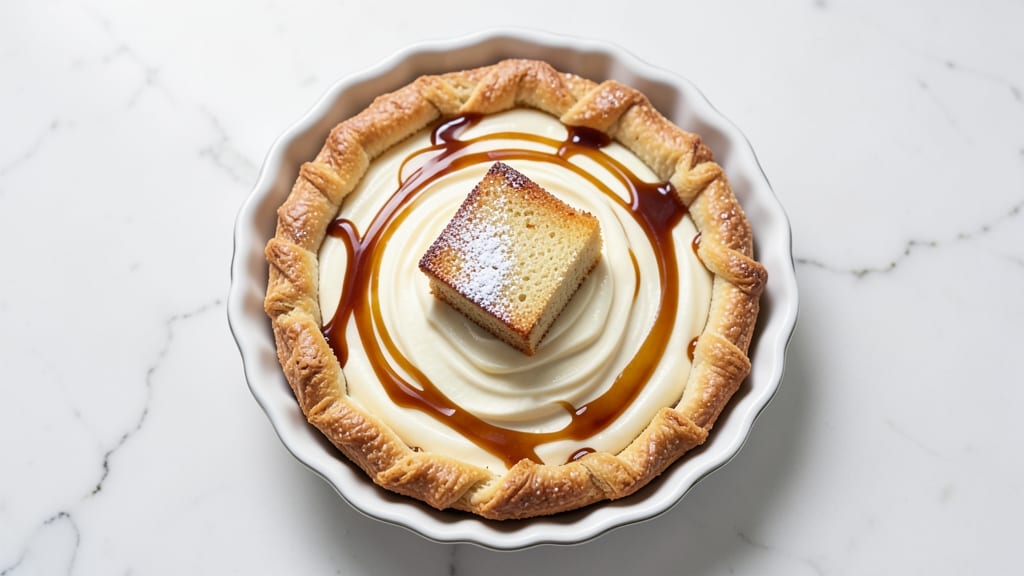
This classic Boston cream pie recipe delivers the timeless combination of flaky pastry, velvety vanilla custard, and light whipped cream—all layered with rum-infused richness. The secret lies in achieving the perfect custard texture: silky yet firm enough to hold its shape when swirled.
I’ve perfected this technique over years of baking, ensuring every slice delivers that signature balance of sweetness and depth.
The foundation starts with a buttery, golden-brown crust that provides the ideal base for the custard filling. While you can use a store-bought crust for convenience, making it from scratch elevates the dish to restaurant-quality.
The vanilla pastry cream requires precise cooking to avoid lumps, and the rum infusion adds a sophisticated warmth that makes this pie unforgettable.
Once assembled, the whipped cream layer must be light yet stable, allowing it to hold its shape after chilling. The final touch—a dusting of powdered sugar or a light glaze—gives the pie that polished finish.
This recipe stays true to tradition while offering modern flexibility, whether you’re baking for a special occasion or simply craving a nostalgic dessert.
With clear instructions for each layer and baking tips to ensure success, you’ll achieve a pie that’s crisp on the edges, creamy in the center, and perfectly balanced in flavor. Let’s get started on creating this iconic dessert.
Ingredients for classic boston cream pie
Buttery crust, velvety custard, and rum-infused layers—this classic pie recipe delivers timeless dessert perfection.
| Ingredient | Amount | Notes |
|---|---|---|
| All-Purpose Flour 🌾 | 2 ½ cups | Sifted for light texture |
| Unsalted Butter 🧈 | 1 cup | Cold, cubed for crust |
| Granulated Sugar 🍚 | ¼ cup | Plus 1 tbsp for sprinkling |
| Ice Water 💧 | ½ cup | For pie crust binding |
| Large Eggs 🥚 | 1 whole | Cold, for crust |
| Heavy Whipping Cream 🥛 | 2 cups | Full-fat for stability |
| Vanilla Bean Paste 🌿 | 2 tbsp | Or 1 tbsp vanilla extract |
| Granulated Sugar 🍚 | ¾ cup | For pastry cream |
| All-Purpose Flour 🌾 | ½ cup | For pastry cream |
| Cornstarch 🌾 | ¼ cup | For thickening |
| Whole Milk 🥛 | 2 cups | Warm for custard |
| Dark Rum 🍹 | ½ cup | High-quality, aged |
| Powdered Sugar 🍚 | ½ cup | For dusting |
| Salt 🧂 | ½ tsp | Fine sea salt |
| Vanilla Extract 🌿 | 1 tsp | Pure vanilla extract |
The crust sets the foundation. For a restaurant-quality result, use European-style butter like Plugrá or Land O’Lakes—higher fat content yields flakier layers. Most grocery stores carry it, but specialty shops like Whole Foods or Trader Joe’s often stock premium brands. Chill the dough for at least 2 hours before rolling, and avoid overworking it—this prevents toughness. If short on time, pre-made pie crust works, but brush it with melted butter for extra richness. The secret to golden-brown edges? Blind-bake the crust for 15 minutes before adding filling.
Rum selection matters—dark rum with caramel notes (like Appleton Estate or Diplomatico) elevates the flavor. No rum? Vanilla extract plus 1 tbsp bourbon mimics the depth. For the pastry cream, cornstarch is non-negotiable—it ensures that silky texture. If you can’t find vanilla bean paste, split a vanilla bean for maximum flavor. The custard must reach 170°F to thicken properly—use a candy thermometer for precision. For the whipped cream, chill your beaters first to stabilize the mixture, and avoid over-whipping or it’ll deflate.
Assembled pies need 4-6 hours in the fridge to set properly—patience is key. Store leftovers in an airtight container for up to 4 days, though the crust softens over time. To reheat, warm slices at 350°F for 5-7 minutes for a crispy edge. For make-ahead convenience, bake the pie 1 day ahead—flavors meld beautifully. Dust with powdered sugar just before serving to keep it fresh. Freeze unbaked pies for up to 3 months, but thaw overnight in the fridge before baking.
Why You'll Love This Recipe
- No-Fuss Layers: The crust comes together with just flour, butter, sugar, and ice water—no chilling, no fuss. Honestly, I’ve made it while my coffee brewed, and it still turned out tender and buttery every time.
- Creamy Vanilla Hug: That custard filling? Rich, silky, and packed with vanilla—it’s the kind of flavor that makes you pause mid-bite. Between us, the eggs and sugar balance perfectly, so it’s never too sweet or too heavy.
- Celebration Ready: Wedding dessert? Birthday surprise? This pie looks elegant enough for any occasion, but it’s also my go-to for holiday dinners. The golden crust and glossy custard scream “special,” without the stress.
- Budget-Friendly Luxury: Uses pantry staples—flour, butter, sugar—so it’s cheap to make but tastes like you spent hours. I’ll be real: my kids ask for seconds, and I’ve never once regretted freezing leftovers for later.
Step-by-step instructions for classic Boston cream pie
Master this timeless dessert with a buttery crust, velvety pastry cream, and rich rum-infused layers.
Prepare the Pie Crust
In a large mixing bowl, combine the 2.5 cups all-purpose flour and 0.5 teaspoon salt. Cut in the 1 cup cold, cubed unsalted butter using a pastry cutter or your fingers until the mixture resembles coarse crumbs with pea-sized butter pieces. Add the 0.25 cup granulated sugar and mix until evenly distributed.
Gradually add the 0.5 cup ice water, 1 tablespoon at a time, mixing just until the dough comes together. Avoid overworking the dough. Divide the dough in half, flatten into discs, wrap in plastic wrap, and refrigerate for at least 1 hour or up to 48 hours. This resting period ensures a flaky crust.
Create the Pastry Cream
In a medium saucepan, whisk together the 2 cups whole milk, 0.75 cup granulated sugar, 0.5 cup all-purpose flour, 0.25 cup cornstarch, 1 teaspoon vanilla extract, and 2 tablespoons vanilla bean paste. Cook over medium heat, stirring constantly with a wooden spoon, until the mixture thickens enough to coat the back of the spoon, about 5-7 minutes.
Remove from heat and stir in the 0.5 cup dark rum and 0.5 teaspoon salt. Transfer the pastry cream to a bowl, cover with plastic wrap (pressed directly onto the surface to prevent a skin from forming), and chill in the refrigerator for at least 2 hours or until completely set. This step is critical for achieving the classic smooth, custard-like texture.
Assemble the Pie
Preheat your oven to 375°F. Roll out one disc of pie dough on a lightly floured surface to fit a 9-inch pie dish, leaving a 1-inch overhang on all sides. Transfer the dough to the pie dish and trim the edges. Roll out the second disc of dough and cut into strips for the lattice top.
Pour the chilled pastry cream into the prepared pie crust. Arrange the lattice strips in a crisscross pattern over the filling, pressing gently to seal. Brush the lattice with a beaten egg (optional) for added shine. Bake for 40-45 minutes or until the crust is golden brown and the filling is set. Cool completely on a wire rack before serving.
Dust with Powdered Sugar
Once the pie has cooled completely, dust the top generously with 0.5 cup powdered sugar using a fine-mesh sieve. This final step adds the signature sweet finish that makes this pie unforgettable. Serve slices at room temperature for the best texture and flavor.
Chill Before Serving (Optional but Recommended)
For the best texture, refrigerate the pie for at least 1 hour before slicing. This allows the pastry cream to firm up slightly, making it easier to cut clean slices. Each piece should reveal the beautiful swirls of vanilla pastry cream and the rich, rum-infused layers that define this classic dessert.
Pro Tips For Making Classic Boston Cream Pie
- CHILL THE BUTTER FIRST: Take your unsalted butter straight from the fridge and cut it into cubes before mixing with flour—this keeps the dough from turning into glue. I learned this the hard way when my first batch turned into a sad, sticky mess because I used softened butter.
- WEIGH YOUR FLOUR: Scoop and level that all-purpose flour? Nope. Use a kitchen scale for precise 400g (or 3 ½ cups packed). Packed flour makes a noticeable difference in texture—less crumbly, more tender crust. Yes, even if you’re impatient like me.
- BAKE UNTIL 190°F: Pull the pie crust from the oven when the center hits 190°F—not when it looks done. A slightly overbaked crust (edges golden, center just set) prevents sogginess when adding the custard later. Trust the thermometer, not your eyes.
- USE ROOM-TEMP EGG YOLKS: Whip your egg yolks and sugar until pale and thick—but let them sit at room temp first. Cold yolks make the custard grainy, and no one wants a lumpy Boston cream pie. Give them 10 minutes on the counter before starting.
Common mistakes when making this recipe
Overworked Crust Dough
Handling the pie dough too much releases gluten, which makes the crust tough instead of flaky. I’ve seen beginners knead it like bread dough—don’t do that! Work the dough just until it comes together, and avoid pressing or rolling it more than necessary.
If the dough cracks while rolling, let it rest for 10 minutes before continuing. A well-chilled dough (40°F or below) is easier to handle and less prone to overworking. 🧑🍳
Skipping the Blind Bake
Adding wet fillings to an unbaked crust can cause sogginess and a gummy texture. Always blind-bake the crust for 15 minutes at 375°F before filling it. Line the crust with parchment paper, fill it with pie weights or dried beans, and bake until the edges are lightly golden.
This step ensures your crust stays crisp and holds its shape. If you skip it, your pie will turn out dense and unappetizing.
Undercooked Pastry Cream
The custard filling must reach a thick, pudding-like consistency—if it’s undercooked, it’ll be runny and watery. Use a candy thermometer to monitor the temperature, and remove the mixture from heat only when it hits 170°F.
Stirring constantly prevents lumps, but if you see any, strain the custard through a fine-mesh sieve before chilling. Undercooked custard won’t set properly, leading to a messy pie filling. 🌡️
Overmixing the Whipped Cream
Whipped cream can deflate if overbeaten, turning grainy and losing its light texture. Stop whipping as soon as soft peaks form—no need to overdo it! Chill your mixing bowl and beaters beforehand to stabilize the cream, and avoid adding too much powdered sugar at once.
Overmixing also incorporates air bubbles, which can cause the cream to collapse. For stability, fold the cream gently into the custard just before assembling the pie.
Not Chilling the Pie
Rushing to serve the pie straight out of the oven is a common mistake. The custard needs time to firm up, and the whipped cream layer must set properly. Refrigerate the pie for at least 4 hours (overnight is ideal) before slicing.
This ensures clean cuts and prevents the filling from sliding out. If you’re short on time, chill the pie for 2 hours in the freezer before serving—just let it sit at room temperature for 10 minutes afterward to soften slightly.
Using Low-Quality Rum
The rum adds depth to the custard, but cheap, harsh rums can overpower the delicate vanilla flavor. Opt for a smooth, aged dark rum like Appleton Estate Reserve or Diplomatico Reserva Exclusiva—these provide caramel and spice notes without bitterness.
If you’re avoiding alcohol, substitute with 1 tablespoon bourbon or vanilla extract for a similar depth. Skimping on rum quality will make your pie taste flat and one-dimensional. 🍹
Nutrition facts
Frequently asked questions
Can I make this pie without alcohol?
Skip the rum entirely and use an extra 1 teaspoon vanilla extract plus 1 tablespoon bourbon or almond extract for depth. The custard will still be rich and flavorful—just without the boozy warmth. For extra sweetness, add 1 tablespoon maple syrup to the custard mixture.
How do I prevent my custard from getting lumpy?
Whisk the dry ingredients (flour, cornstarch, sugar) into the warm milk in a separate bowl first, then pour the mixture into the saucepan while stirring constantly. Use a wooden spoon and keep heat at medium-low to avoid scorching. If small lumps appear, strain the custard through a fine-mesh sieve before chilling.
Can I use a different type of crust?
Yes! While traditional pastry crust works best, you could try a graham cracker crust (for a nutty twist) or a pre-made puff pastry for extra flakiness. If using puff pastry, bake it for 12-15 minutes at 400°F before adding filling. Just ensure your crust is sturdy enough to hold the wet custard.
Why did my whipped cream collapse?
Overmixing or using cold cream are the most common causes. Always chill your bowl and beaters first, and stop whipping when soft peaks form. For extra stability, fold in 1 tablespoon powdered sugar gradually. If it collapses, gently reheat the pie for 5 minutes at 350°F to restore texture.
How long can I store leftovers?
Store in an airtight container in the fridge for up to 4 days. For longer storage, freeze the pie (unbaked or baked) for up to 3 months. Thaw overnight in the fridge before serving. Reheat slices at 350°F for 5-7 minutes to crisp the crust.