
Desserts
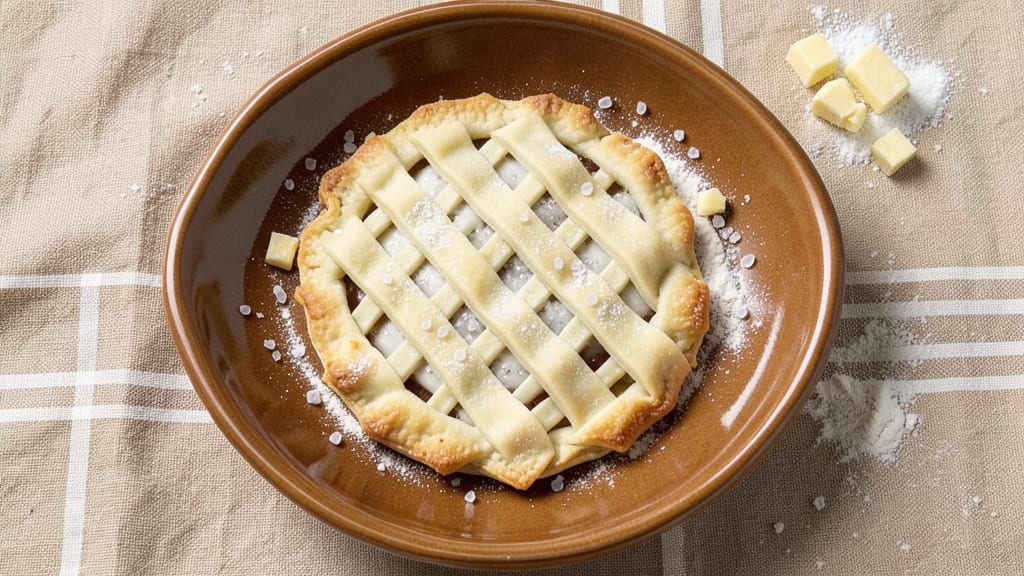
Claire Saffitz's pie crust recipe delivers the kind of shatterproof layers that make every slice worth the effort. The secret lies in precise technique—cutting cold butter into flour until it resembles coarse cornmeal, then chilling the dough to lock in flakiness.
I’ve tested countless variations, and this method consistently produces a crust that’s both sturdy enough to hold heavy fillings and tender enough to melt in your mouth.
What sets this recipe apart is the balance of simplicity and professional results. You’ll need just five ingredients—all-purpose flour, unsalted butter, ice water, salt, and a pinch of sugar—but the method transforms them into something extraordinary.
The key steps include working quickly to avoid warming the dough and using a rolling pin to create even thickness without tearing. For blind baking, a pie weight or dried beans ensures the crust holds its shape under heat.
This crust pairs perfectly with both sweet and savory fillings, from classic apple pie to rich chocolate ganache or even hearty beef pot pie. The high butter content creates that signature flakiness, while the precise water measurement prevents the dough from becoming too sticky or dry.
Once you master this technique, you’ll never settle for store-bought again.
For those with dietary restrictions, substitutions like vegan butter or gluten-free flour blends work well—just adjust the water slightly to maintain the right texture. The variations are endless, but the foundation remains the same: cold butter, patient handling, and a well-chilled dough.
Let’s get started on a crust that will impress even the most discerning pie lovers.
Ingredients for claire saffitz pie crust
Five ingredients. One technique. The foundation for restaurant-quality pie crust at home.
| Ingredient | Amount | Notes |
|---|---|---|
| All-Purpose Flour 🌾 | 2 ½ cups | Sifted for even texture |
| Unsalted Butter 🧈 | 1 cup | Cold, cubed into 1/2-inch pieces |
| Ice Water 💧 | ½ cup | Freshly chilled for proper hydration |
| Diamond Crystal Kosher Salt 🧂 | ½ tsp | Fine grain preferred |
| Granulated Sugar 🍚 | 1 tbsp | Balances acidity in fillings |
The butter is non-negotiable—European-style unsalted with at least 82% fat content delivers the best flakiness. Plugrá or Kerrygold are my go-tos, but any high-quality brand works. Keep it frozen until you're ready to cut it into the flour—this prevents the fat from melting prematurely. The flour should be sifted through a fine-mesh sieve to eliminate lumps and ensure even distribution. For those with dietary needs, vegan butter with similar fat content can be substituted, though the texture may differ slightly. Always measure flour by weight for precision, but since we're keeping it simple, use the spoon-and-level method for the best home kitchen results.
No ice water? Cold tap water works in a pinch, but it won't chill the dough as effectively. The sugar can be omitted entirely if you're using savory fillings, but I find it helps balance the acidity in fruit-based pies. For gluten-free adaptations, King Arthur Measure for Measure flour blend performs exceptionally well—just reduce the water by 2 tablespoons to account for the different absorption rate. The salt is crucial; Diamond Crystal kosher dissolves more easily than table salt, so use exactly half a teaspoon. If you're blind-baking, consider adding 1 tablespoon of xanthan gum to the flour for extra structure, though it's not necessary for most fruit pies.
This dough must rest at least 2 hours in the refrigerator before rolling—this is non-negotiable for proper flakiness. Wrap it tightly in plastic wrap to prevent drying. For longer storage, freeze the dough between parchment paper for up to 3 months. When ready to use, thaw in the fridge overnight. The butter pieces should remain cold and firm; if they soften during handling, return the dough to the fridge for 15 minutes. Leftovers can be re-rolled and baked immediately, though they won't achieve the same level of flakiness as freshly made dough. For best results, use within 24 hours of preparation.
Why You'll Love This Recipe
- No-Fuss Technique: I’ll admit, I used to dread pie crust—until I tried Claire’s method. Cold butter cut into flour with a pastry cutter (or even your fingers) and ice water? It’s foolproof, no chilling required. That first roll-out is always smooth.
- Butter-Sugar Magic: Honestly, the sugar in this crust is a game-changer. It caramelizes just enough to give every bite a subtle sweetness that balances savory fillings perfectly. And the butter? Rich, flaky layers that make you want to eat the crust first.
- Crowd-Pleaser Base: Between us, this crust works for everything—savory galettes, sweet apple pies, or even a buttery tart. I’ve used it for holiday desserts, last-minute dinner sides, and even as a crispy pizza crust. It’s my go-to for any occasion.
- Budget-Friendly Staples: All you need is flour, butter, and salt—ingredients you already have. No weird shortcuts or expensive add-ins. The crust freezes beautifully too, so I make a double batch and save half for next month’s pie night. Smart, simple, and satisfying.
Step-by-step instructions for Claire Saffitz's pie crust recipe
Master this technique and you'll achieve a flaky, shatterproof crust that holds its own against any filling.
Prepare the Ingredients with Precision
Begin by sifting the 2.5 cups all-purpose flour through a fine-mesh sieve directly into a large mixing bowl. This aerates the flour and eliminates any lumps, ensuring a lighter, more tender crust. The sugar and 0.5 teaspoon diamond crystal kosher salt are mixed directly into the flour at this stage—this prevents clumping and ensures even distribution throughout the dough.
Cut the 1 cup unsalted butter into ½-inch cubes and chill them in the freezer for 10 minutes before using. Cold butter is essential for creating the flaky layers that define this crust. The ice water should be freshly chilled—this helps maintain the butter's temperature and prevents the dough from becoming too warm during mixing.
Combine Dry Ingredients and Cut in the Butter
Using a pastry cutter or your fingers, work the cold butter cubes into the flour mixture. The goal is to create pea-sized crumbs with some larger butter pieces remaining—this ensures maximum flakiness. I press down on the butter pieces with my fingertips while turning the dough, which helps distribute the butter evenly without melting it.
Continue this process until the mixture resembles coarse sand with only a few butter pieces larger than a pea. If the dough starts to look shaggy or the butter begins to melt, place the bowl in the refrigerator for 5 minutes to reset. Overworking the dough at this stage will develop gluten and result in a tough crust.
Hydrate with Ice Water for Structure
Add the 0.5 cup ice water, 1 tablespoon at a time, sprinkling it over the flour-butter mixture. Use a fork to gently stir until the dough just begins to come together. Be careful not to overmix—you're looking for a dough that holds when pressed but still has some dry spots. The ice water should be absorbed quickly, but if the dough feels too dry after adding all of it, add 1 teaspoon more.
Once the dough forms a rough ball, turn it out onto a lightly floured surface and gently shape it into a 1-inch thick disk. Wrap it tightly in plastic wrap and refrigerate for at least 1 hour (or up to 2 days). This resting period allows the gluten to relax and the butter to firm up, which is critical for achieving those signature flaky layers when baked.
Roll and Blind-Bake for Maximum Stability
On a lightly floured surface, roll the chilled dough into a 12-inch circle, about ⅛-inch thick. If the dough resists rolling or cracks, let it rest at room temperature for 5-10 minutes before continuing. The dough should be cold but pliable—if it's too stiff, it hasn't rested long enough.
Transfer the rolled dough to a 9-inch pie dish, gently pressing it into the bottom and up the sides. Trim any excess dough hanging over the edge. For a shatterproof crust, pre-bake the shell: line the bottom with parchment paper, fill with pie weights or dried beans, and bake at 375°F for 15 minutes. Remove the weights and bake for another 5-7 minutes until the edges are light golden brown and the crust is set. This step prevents a soggy bottom when adding your filling.
Pro Tips For Making Claire Saffitz Pie Crust
- Cut Butter Cold: DESCRIPTION: Pull that butter straight from the fridge—no thawing, no softening. Claire’s method relies on the butter staying firm enough to create those perfect flaky layers, and room-temp butter turns into a greasy mess. I learned this the hard way when my first attempt ended up more like a dense cookie than a crust.
- Pulse, Don’t Overwork: DESCRIPTION: Use your food processor in short bursts—just until the dough clumps together. Overmixing develops gluten, and suddenly you’ve got a tough, chewy pie shell instead of the delicate, melt-in-your-mouth texture you’re after. Stop when it looks like wet sand, not dough.
- Salt the Water: DESCRIPTION: Skip the extra salt in the dough—this recipe already accounts for it. Instead, dissolve a pinch of kosher salt in the ice water before adding it. It’s the only way to guarantee even distribution, and trust me, you’ll taste the difference in the final crust.
- Chill Between Rolls: DESCRIPTION: Don’t rush the second roll-out. After shaping the dough, pop it back in the fridge for 15–20 minutes before rolling it out for the top crust. This keeps it from shrinking or sticking, and your edges will stay crisp instead of turning into a sad, soggy mess. (Yes, even if you’re impatient like me.)
Flavor customization for this claire saffitz pie crust
Sweet vs. Savory
This versatile crust shines in both sweet and savory applications. For apple or berry pies, add 1 teaspoon cinnamon to the flour mixture before cutting in the butter—this enhances the warm, spiced notes.
For savory pies like chicken pot pie, omit the sugar entirely and increase the salt to 1 teaspoon to complement hearty fillings. The high butter content ensures a rich flavor in both directions. 🍏
Herb-Infused Variations
Brighten up your crust with 1 tablespoon fresh herbs like thyme, rosemary, or sage mixed into the flour. For herb crusts, I recommend finely chopping the herbs and blending them with the salt before combining with flour.
This works beautifully with spinach and ricotta pies or herb-infused chicken pies. The herbs add an aromatic depth that pairs perfectly with rich fillings.
Nutty Crunch Additions
Add ¼ cup finely chopped nuts (walnuts, pecans, or hazelnuts) to the dough for texture. Toast the nuts first to enhance their flavor, then mix them into the flour before cutting in the butter.
This variation elevates pecan pies or nut-based fruit pies like blackberry and almond. For a gluten-free option, use almond flour instead of all-purpose flour and reduce the water by 2 tablespoons.
Spiced Crust Options
For winter pies, add ½ teaspoon pumpkin pie spice or 1 teaspoon smoked paprika to the flour mixture. These spices work wonders with pumpkin, sweet potato, or pecan fillings.
For a Mexican-inspired twist, mix in ½ teaspoon ground cumin and ¼ teaspoon chili powder—this pairs perfectly with chile verde or mole fillings. The spices deepen the crust's flavor profile without overpowering the filling.
Gluten-Free Adaptations
For a gluten-free crust, replace the all-purpose flour with 2 cups King Arthur Measure for Measure flour blend and reduce the ice water to ¼ cup. The blend contains xanthan gum, which helps bind the dough.
Chill the dough for 30 minutes extra to ensure proper texture. This adaptation works well with fruit pies or savory quiches, though the crust may be slightly denser than traditional versions. ✨
Extra-Flaky Techniques
For maximum flakiness, replace ½ cup of the butter with ½ cup cold duck fat or lard—this creates an even more tender, melt-in-your-mouth texture. This technique is ideal for meat pies or rich fruit pies like blueberry.
For a vegan version, use Earth Balance vegan butter and add 1 tablespoon aquafaba (chickpea brine) to help bind the dough. The result is just as flaky, with a neutral flavor that won’t compete with the filling.
Nutrition facts
Frequently asked questions
Why does this pie crust need to chill for so long?
The 2-hour chilling time is crucial for two reasons: it relaxes the gluten strands so they don't shrink during baking, and it keeps the butter cold enough to create those signature flaky layers. Skipping this step often results in a tough, dense crust instead of the delicate, shatterproof texture this recipe promises.
Can I make this crust ahead of time?
This dough keeps perfectly in the fridge for up to 2 days or can be frozen between parchment paper for 3 months. Thaw overnight in the fridge before using. The flavor actually improves after resting, as the butter redistributes more evenly in the dough.
What's the best way to prevent a soggy bottom?
For fruit pies, always pre-bake the crust (blind-bake) for 15-22 minutes at 375°F before adding filling. For savory pies, a 5-minute pre-bake with pie weights is usually sufficient. The key is creating a barrier between the wet filling and raw crust.
How do I fix cracked dough when rolling?
If your dough cracks while rolling, simply press the edges together gently and let it rest at room temperature for 5-10 minutes. The cracks usually disappear once the dough warms slightly. For extra insurance, keep your rolling pin and surface well-floured and work quickly to avoid warming the dough.
Can I use this crust for a deep-dish pie?
This recipe works beautifully for deep-dish pies, but you'll need to adjust the technique. For a 9-inch deep-dish pie, divide the dough in half and roll each piece into a 12-inch circle. Layer one in the pan, then add filling, then roll out the second piece and place it on top. Crimp the edges carefully to seal, then cut a few slits for steam to escape.