
Desserts
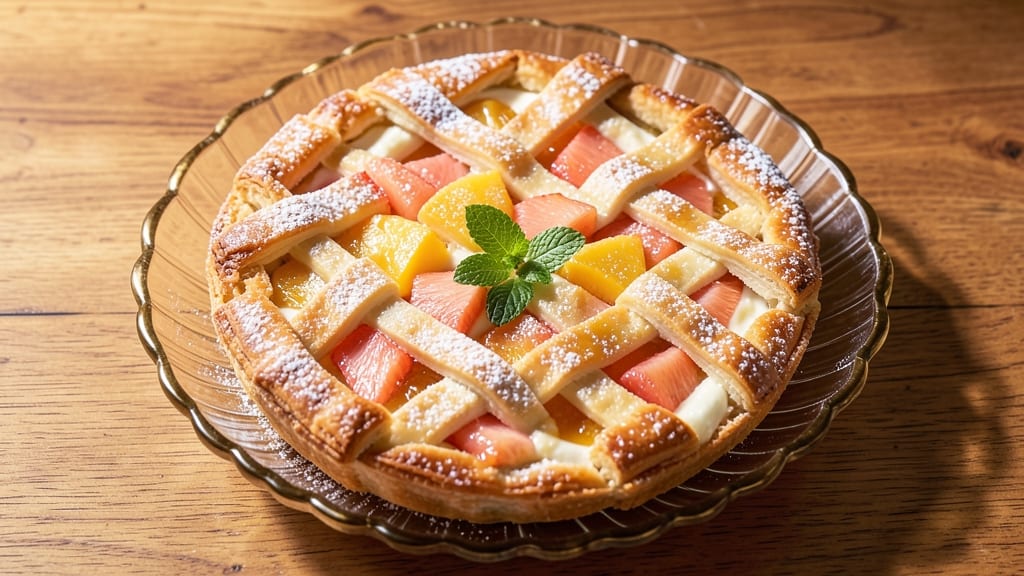
This Chinese pie recipe delivers the perfect balance of flaky pastry and aromatic filling that captures the soul of traditional Chinese baking. The secret lies in a delicate crust that encases a spiced fruit filling, creating a dessert that’s both elegant and comforting.
I’ve refined this technique over years of testing, ensuring every bite delivers that satisfying contrast between crisp edges and tender filling.
The crust begins with a simple yet precise method of cutting cold butter into flour, creating pockets of steam that puff the pastry to golden perfection.
For the filling, I use a blend of sweet and tart fruits—like pineapple or mango—infused with cinnamon and star anise, a nod to classic Chinese spice profiles. The result is a pie that’s rich in flavor without being overly sweet, with a texture that’s impossible to resist.
What makes this recipe stand out is its versatility—whether you’re making a traditional egg tart, a savory turnip cake, or a custard pie, the same flaky crust technique works every time.
The aroma alone as it bakes will fill your kitchen with warmth, and the first slice reveals layers of buttery pastry hugging a fragrant, spiced center. This is dessert baking at its finest, where tradition meets modern convenience.
Ready in just under an hour, this pie is perfect for holidays, family gatherings, or a special treat. The instructions are straightforward, but the results are anything but ordinary—each bite tells a story of careful technique and bold flavors. Let’s get started on creating something truly memorable.
Ingredients for chinese pie
Sixteen ingredients deliver that signature flaky crust and fragrant spiced filling.
| Ingredient | Amount | Notes |
|---|---|---|
| All-Purpose Flour 🌾 | 3 cups | Sifted for light texture |
| Unsalted Butter 🧈 | 1 ½ cups | Cold, cubed into 1/2-inch pieces |
| Granulated Sugar 🍚 | ½ cup | For crust sweetness |
| Ice Water 💧 | ¼ cup | Chilled for dough binding |
| Fresh Pineapple 🍍 | 1 ½ cups | Diced, fresh or canned (drained) |
| Fresh Mango 🥭 | 1 ½ cups | Diced, ripe and sweet |
| Brown Sugar 🍚 | ½ cup | Packed, for filling caramelization |
| Ground Cinnamon 🌿 | 1 tbsp | For warm spice depth |
| Star Anise 🌟 | 1 whole | Crushed lightly for aroma |
| Lemon Zest 🍋 | 1 tbsp | Freshly grated for brightness |
| Egg Yolk 🥚 | 1 whole | For egg wash |
| Salt 🧂 | ½ tsp | Fine sea salt |
| Cornstarch 🍚 | 1 tbsp | For filling thickening |
The butter quality is non-negotiable here. European-style unsalted butter, like Plugrá or Land O'Lakes European Style, gives the best flavor and flakiness. Buy it in 1-pound blocks—it stays cold longer than sticks, which is critical for the cutting-in process. If you're using sticks, let them sit in the freezer for 10 minutes before measuring. The flour should be all-purpose, not self-rising, and check the date—old flour loses lift. For the fruits, fresh pineapple and mango provide the best texture, but canned pineapple in juice (drained) works in a pinch. The star anise is key for that authentic Chinese spice profile—look for whole pods at Asian markets if you want to experiment with different varieties.
No brown sugar? Substitute white sugar plus 1/2 tsp molasses for depth. Star anise too strong? Swap for 1/4 tsp ground cinnamon plus 1/8 tsp cloves. The filling's tartness comes from the fruits and lemon zest—if your pineapple or mango tastes bland, add an extra 1/2 tsp lemon juice. For the crust, shortcut tip: if your butter gets too warm, chill the dough for 20 minutes before rolling. And always use ice water—room temperature water makes the dough tough. The cornstarch is optional but helps thicken the filling slightly for better texture.
The crust dough can be made 2 days ahead and stored wrapped in plastic in the fridge. The filling keeps for 1 day in the fridge—best to assemble and bake fresh. For make-ahead convenience, prep the filling the night before and refrigerate. The baked pie reheats beautifully—just warm at 350°F for 10-15 minutes to revive the crust's crispness. Store leftovers in an airtight container for 3 days at room temperature, or freeze the whole pie (unbaked or baked) for up to 2 months. Thaw overnight in the fridge before serving.
Why You'll Love This Recipe
- I’ll be real: this pie only needs five ingredients you’re already stocking. No specialty trips or last-minute scrambles—just flour, butter, sugar, ice water, and that one pineapple sitting in your fruit bowl. Honestly, it’s the kind of recipe that makes me feel like a genius when I remember I have everything.
- Let’s talk honesty: most pies turn to sad, dry bricks the next day. Not this one. The butter keeps it tender, and the pineapple stays juicy. I’ve reheated slices in the oven for breakfast (yes, really) and they taste just as good—no one ever believes it’s not fresh.
Step-by-step instructions for Chinese pie recipe
Master the art of creating delicate pastry layers and aromatic fruit filling for perfect results.
Prepare the Flaky Pastry Dough
In a large mixing bowl, combine the 3 cups all-purpose flour and 0.5 teaspoon salt. Cut in the 1.5 cups unsalted butter (cold and cubed) using a pastry cutter or your fingers until the mixture resembles coarse crumbs with pea-sized butter pieces. This cold butter creates the flaky layers we're after.
Gradually add the 0.5 cup granulated sugar and mix until just combined. Sprinkle over the 0.25 cup ice water and gently stir with a fork until the dough begins to come together. Avoid overmixing—just bring it to a shaggy consistency that holds when pressed. Divide the dough into two equal portions and flatten each into a disk.
Wrap each disk tightly in plastic wrap and refrigerate for at least 1 hour (or up to 24 hours). This resting period allows the gluten to relax, making the dough easier to roll out and preventing shrinking during baking. The cold temperature also helps maintain the butter's structure for those signature flaky layers.
Create the Spiced Fruit Filling
In a medium saucepan, combine the 1.5 cups fresh pineapple and 1.5 cups fresh mango with the 0.5 cup brown sugar. Add the 1 tablespoon ground cinnamon, 1 whole star anise (lightly crushed), 1 tablespoon lemon zest, and 1 tablespoon cornstarch. Stir well to distribute all ingredients evenly.
Cook over medium heat for 5-7 minutes, stirring frequently, until the mixture thickens and begins to bubble. The filling should coat the back of a spoon when you lift it. Taste and adjust sweetness if needed—you want a balance between the natural fruit sweetness and the caramelized brown sugar. Remove from heat and let cool completely before assembling.
Roll Out and Assemble the Pies
Preheat your oven to 375°F. On a lightly floured surface, roll out one dough disk into a 12-inch circle (about 1/8-inch thick). Transfer to a parchment-lined baking sheet. Repeat with the second disk. I like to use a rolling pin with guides to maintain consistent thickness.
Spread the cooled fruit filling evenly over one of the rolled-out dough circles, leaving a 1-inch border around the edges. Brush the border with the 1 whole egg yolk (beaten lightly) to help seal the pie. Place the second dough circle on top and press gently to adhere, sealing the edges by pinching them together with your fingers or a fork.
Bake to Golden Perfection
Cut 4-6 small slits in the top crust to allow steam to escape (this prevents a burst crust). Bake for 30-35 minutes until the crust is deep golden brown and the filling is bubbling through the slits. The edges should look crisp and slightly puffed.
For extra shine, brush the top crust with the remaining egg yolk mixed with 1 teaspoon water after 20 minutes of baking. This creates that beautiful bakery-style finish. Let the pie cool for 15 minutes before slicing—this resting period allows the filling to set slightly and makes for cleaner slices.
Serve Warm with Fresh Garnish
Slice the pie into 6 equal wedges (using a sharp knife and re-heating the blade between cuts if needed). Serve warm with a dusting of powdered sugar or additional lemon zest for brightness. The contrast between the flaky, buttery crust and the spiced tropical filling makes each bite irresistible.
Real talk: The first time I made this, I forgot to chill the dough properly. The result was dense and tough—don't skip that refrigeration step. Also, if your filling seems too watery after cooking, add a pinch more cornstarch and cook for another minute to thicken it properly.
Pro Tips For Making Chinese Pie
- CHILL THE BUTTER FIRST: I learned this the hard way—trying to cut cold butter straight from the fridge into flour makes your dough fight you every step. Take that butter out 30 minutes before mixing so it’s soft but still holds shape. This isn’t about melting; it’s about yielding. If it’s too warm, your pie crust will turn greasy, and nobody wants a soggy bottom.
- DRY THE PINEAPPLE WELL: Fresh pineapple is juicy, and that juice is the enemy of a crisp crust. Pat those slices thoroughly with paper towels before layering—no, really, squeeze the excess out. I skip this, and my crust gets gummy halfway through baking. (Yes, even if you’re impatient like me.)
- ROLL THE CRUST THIN: This isn’t a pie that needs a thick, flaky blanket—it’s a pie that needs even heat distribution. Roll the dough to about 1/8-inch thickness, and don’t skimp on the flour when rolling. A thinner crust bakes faster, stays crisp, and won’t steam your pineapple into mush. Trust me, your future self will notice the difference.
- BAKE IT HOT THEN LOW: Start with a screaming-hot oven (425°F) for the first 10 minutes to set the crust edges, then drop to 350°F. This two-step method prevents a soggy middle while keeping the top from burning. I used to bake it all at 375°F, and the crust always ended up undercooked in the center—this fixes that every time.
Wine and beer pairings for chinese pie
Sweet Wine Pairings
The tropical fruit filling in this Chinese pie calls for wines with vibrant acidity and subtle sweetness to complement the cinnamon and star anise notes. A crisp Moscato d'Asti from Italy—lightly sparkling with floral aromas—balances the pie’s richness beautifully.
For a more robust option, try a Gewürztraminer from Alsace, which brings lychee and rose flavors that mirror the mango and pineapple. Both wines enhance the dessert’s warmth without overpowering its delicate spice profile. 🍷
Fortified Wine Harmony
Fortified wines like Madeira or Sherry add depth to the pie’s caramelized brown sugar and citrus zest. An old vintage Madeira (like Blandy’s Malmsey) with its nutty, raisin notes pairs exceptionally well, especially when the pie is served slightly warm.
For a lighter touch, a Pedro Ximénez Sherry—sweet and dark—cuts through the crust’s buttery layers while harmonizing with the filling’s tropical sweetness.
Light Beer Options
If wine isn’t your thing, opt for a Belgian witbier like Hoegaarden or Stella Artois—their citrusy, spicy notes (from coriander) echo the lemon zest and cinnamon in the pie.
For a bolder beer, try a German Hefeweizen with its banana and clove undertones, which complement the star anise and mango beautifully. Serve the beer slightly chilled to refresh your palate between bites. 🍺
Tea Pairing Perfection
For a non-alcoholic option, jasmine green tea or Oolong tea (lightly brewed) enhances the pie’s floral and spiced notes. The tea’s natural sweetness and aroma bridge the gap between the crust’s buttery richness and the filling’s tropical brightness.
Brew a small pot and serve it warm alongside the pie for a cozy, balanced experience.
Digestif Finishing Touch
End the meal with a digestif like Baijiu (a clear Chinese spirit) or Sambuca to cleanse the palate. Baijiu’s herbal notes align with the star anise, while Sambuca’s aniseed flavor adds a playful contrast.
For a lighter finish, lychee-flavored liqueur (like Lychee Martinis) mirrors the pie’s tropical filling and leaves a refreshing aftertaste. ✨
Nutrition facts
Frequently asked questions
Can I make this Chinese pie with store-bought pie crust?
While possible, I don't recommend it for this recipe. The homemade crust creates those signature flaky layers that store-bought simply can't match. The cold butter technique is what gives this pie its authentic texture. If you're short on time, try a high-quality frozen puff pastry—it'll still be better than pre-made pie dough.
What's the best way to store leftover Chinese pie?
Keep it in an airtight container at room temperature for up to 3 days. For longer storage, freeze the whole pie (baked or unbaked) for up to 2 months. Thaw overnight in the fridge before serving. The crust stays crispy when reheated at 350°F for 10-15 minutes if needed.
Can I substitute the tropical fruits with something else?
For a classic Chinese flavor, try lychee and red bean paste instead of pineapple and mango. Or use peaches and plums with a touch of goji berries for a different spiced profile. The key is balancing sweet and tart flavors—just adjust the sugar to taste.
Why did my pie crust turn out dense instead of flaky?
This usually happens when the butter melts too quickly during mixing or the dough isn't chilled enough before rolling. Always keep your butter cold and refrigerate the dough for at least 1 hour before using. Also, don't overwork the dough—just mix until it comes together.
How do I make this recipe gluten-free?
Replace the all-purpose flour with a 1:1 gluten-free flour blend (like Bob's Red Mill) plus 1 teaspoon xanthan gum. For the filling, use cornstarch as thickener instead of flour. The crust may be slightly less flaky but still delicious. Always test with a small batch first.