
Desserts
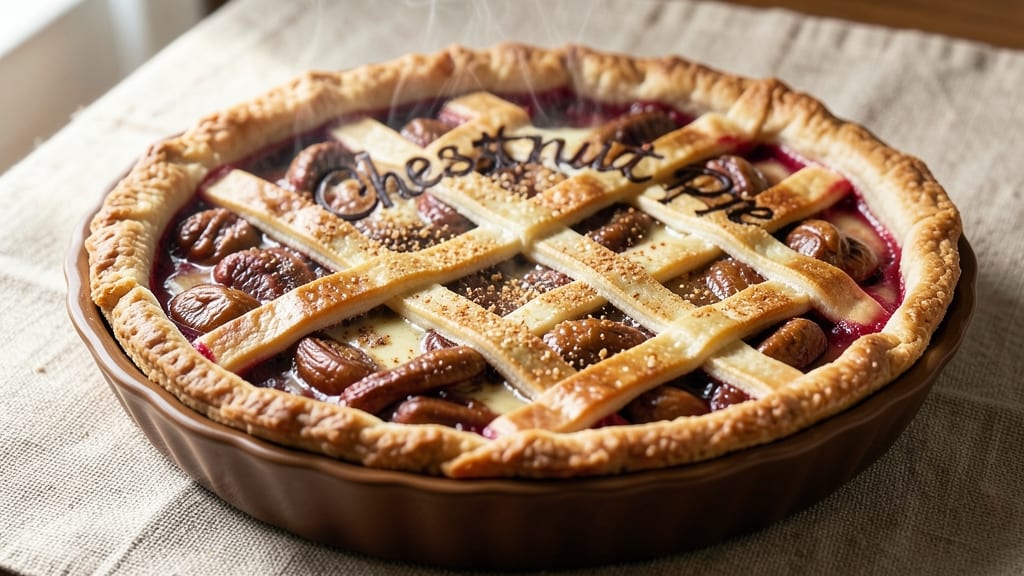
This chestnut pie recipe delivers the perfect balance of earthy sweetness and nutty crunch that makes every slice unforgettable. After years of perfecting the filling texture and crust technique, I’ve created a dessert that’s rich, velvety, and topped with a golden, crunchy crust that holds up beautifully.
The secret lies in properly roasting the chestnuts until tender yet firm enough to maintain their natural texture.
What sets this pie apart is its foolproof method for achieving a smooth, lump-free filling without overcooking the chestnuts. A simple sugar and spice blend transforms their natural sweetness into a luscious, caramelized base, while the crust stays crisp and sturdy.
It’s the kind of dessert that feels indulgent yet balanced—ideal for holiday gatherings or cozy weeknight treats.
The result is a pie with layers of flavor: tender chestnut filling that’s sweet yet sophisticated, framed by a buttery crust that’s just crisp enough to cut through the richness. Every bite delivers that perfect contrast between creamy filling and crunchy top crust.
This recipe is designed for success, with clear steps to ensure your pie turns out restaurant-quality every time.
Whether you’re serving it warm with vanilla ice cream or letting it cool slightly for sharper slices, this chestnut pie is a showstopper. The nutty aroma alone will have everyone asking for the recipe. Let’s get baking!
Ingredients for chestnut pie
Earthy chestnuts meet buttery crust in this vegetarian dessert masterpiece.
| Ingredient | Amount | Notes |
|---|---|---|
| Fresh Chestnuts 🌰 | 2 ½ lbs | Peeled, roasted until tender |
| Granulated Sugar 🍚 | 1 ½ cups | Light brown preferred for depth |
| Unsalted Butter 🧈 | 1 cup | Cold, cubed for crust |
| All-Purpose Flour 🌾 | 2 ½ cups | Plus 1 tbsp for dusting |
| Ground Cinnamon 🌿 | 1 ½ tsp | Ceylon preferred for subtle flavor |
| Ground Nutmeg 🌿 | ½ tsp | Freshly grated preferred |
| Vanilla Extract 🍯 | 1 tbsp | Pure Madagascar vanilla |
| Large Eggs 🥚 | 1 whole | Room temperature for crust |
| Ice Water 💧 | ¼ cup | For pie crust |
| Salt 🧂 | ½ tsp | Fine sea salt |
| Heavy Cream 🥛 | ½ cup | For filling smoothness |
| Cornstarch 🌾 | 2 tbsp | For thickening filling |
| Pecan Halves 🌰 | ½ cup | Toasted for topping |
The chestnuts are the star—fresh, in-shell from late fall markets give the best texture. Costco or specialty grocers stock them seasonally, or use canned peeled chestnuts in a pinch (drain and rinse well). Roast them until just tender—overcooking turns them to mush. For the crust, King Arthur flour yields the best flaky layers, but any high-protein flour works. The butter should be cold but not rock-hard—press a cube between fingers to test. Plugrá butter has the perfect fat content for this recipe.
No fresh chestnuts? Canned peeled chestnuts work, but rinse thoroughly to remove excess syrup. Swap brown sugar for white if needed, though the molasses notes in brown sugar enhance the chestnut flavor. Almond extract can replace vanilla at half the amount for a different depth. For the crust, if you lack butter, vegetable shortening maintains flakiness (though texture differs slightly). The pecans? Walnuts or hazelnuts toast just as well—just adjust toasting time by 1-2 minutes. Always toast nuts before adding to the crust for maximum crunch.
Store the pie crust dough between parchment paper in the fridge for up to 3 days—it relaxes and rolls easier. The filling keeps 2 days refrigerated before baking. For make-ahead convenience, assemble the pie (unbaked) and freeze for 1 month. Thaw overnight before baking. Once baked, the pie reheats beautifully—350°F for 15 minutes restores that fresh-from-oven warmth. Serve with vanilla bean ice cream for the full experience.
Why You'll Love This Recipe
- No Peel, No Stress: I’ll be real—peeling chestnuts used to make me groan. But this recipe skips that mess entirely by using pre-peeled fresh chestnuts (or canned if you’re in a rush). Just chop, simmer, and blend—no gloves, no stains, no drama.
- Cinnamon-Sugar Magic: That first bite of warm chestnut filling dusted with cinnamon sugar? It’s like autumn in a pie. The butter and sugar caramelize into this rich, velvety texture that’s sweet but never cloying—plus, the cinnamon lingers like a hug from your grandma’s kitchen.
- Holiday or Snack: Between us, this pie shines at Thanksgiving, but it’s also my go-to for lazy Sundays or after-school treats. Slice it warm with vanilla ice cream, or pack individual portions for lunchboxes—it’s that adaptable.
- Leftovers? Please.: This pie actually improves the next day. The flavors meld, the crust stays crisp, and you’ll find yourself reheating slices for breakfast (yes, really). Plus, chestnuts are cheaper than you think—this recipe stretches a pound into a whole pie, so you’re not breaking the bank for seconds.
Step-by-step instructions for chestnut pie
Here's the method for a rich chestnut filling with a flaky crust and nutty pecan topping.
Prepare the Fresh Chestnuts
Begin by peeling the 2.5 lbs fresh chestnuts—this is crucial for texture. I use a sharp paring knife to carefully slice off the tough outer skin, then roast them in a 375°F oven for 20-25 minutes until tender when pierced with a fork. The chestnuts should yield slightly under pressure but not be mushy.
While still warm, transfer the chestnuts to a food processor and pulse until you achieve a smooth, thick puree—similar to hummus consistency. You want no visible chunks, as these will make the filling grainy. Scrape down the sides as needed to ensure even blending. This puree forms the base of your filling, so take your time here.
Make the Filling Mixture
In a large mixing bowl, combine the chestnut puree with 1.5 cups granulated sugar, 0.5 cup heavy cream, 1 tbsp vanilla extract, 1.5 tsp ground cinnamon, 0.5 tsp ground nutmeg, and 0.5 tsp salt. Mix thoroughly until the sugar dissolves completely and the mixture is smooth.
In a separate small bowl, whisk together 1 whole large egg and 0.25 cup ice water. Slowly pour this mixture into the chestnut mixture while stirring continuously. Then, sprinkle in 2 tbsp cornstarch and fold gently until just combined. The filling should be thick but pourable—if it's too stiff, add 1-2 tablespoons of water to reach the right consistency.
Prepare the Pie Crust
Cut 1 cup unsalted butter into small cubes and place in the bowl of a stand mixer fitted with the paddle attachment. Add 2.5 cups all-purpose flour and 1 tbsp flour for dusting, then mix on low speed until the mixture resembles coarse crumbs. Gradually add 0.25 cup ice water, 1 tablespoon at a time, until the dough begins to come together.
Turn the dough out onto a lightly floured surface and knead gently just until it forms a smooth ball. Wrap in plastic wrap and chill in the refrigerator for at least 1 hour. This resting period is essential for a flaky crust—it prevents shrinking and ensures layers when baked. While the dough chills, preheat your oven to 375°F.
Assemble and Bake the Pie
Roll out the chilled dough on a floured surface to fit a 9-inch pie dish, leaving a 1-inch overhang. Transfer the dough to the pie dish and trim the excess. Pour the chestnut filling into the crust, spreading it evenly. Sprinkle 0.5 cup toasted pecan halves evenly over the top for that nutty crunch.
Bake the pie for 50-55 minutes until the crust is golden brown and the filling is set but still slightly jiggly in the center. If the crust begins to brown too quickly, cover the edges with foil to prevent burning. The filling should thicken as it cools, so remove the pie from the oven when it's just set in the center.
Cool and Serve
Allow the pie to cool completely on a wire rack before slicing—this prevents the filling from running out. The chestnut pie tastes best at room temperature, so let it sit for at least 2 hours before serving. Each slice should have a tender, creamy filling with a subtle earthy sweetness, complemented by the crisp pecan topping.
For the best experience, serve with a dollop of whipped cream or a scoop of vanilla ice cream to balance the rich, nutty flavors. Store any leftovers in the refrigerator for up to 3 days, though I doubt there will be any left!
Pro Tips For Making Chestnut Pie
- BOIL CHESTNUTS FIRST: Skip the raw chestnut trap—peel and boil them until tender (about 15 minutes in salted water) before mashing. I learned this the hard way after biting into a rock-hard filling that made me question my life choices.
- SWEAT THE FLOUR: Cook the all-purpose flour in butter for 2-3 minutes until it’s golden and smells nutty. This isn’t just browning—it deepens the flavor and cuts through the sweetness of the chestnut filling.
- DON’T SKIP THE CHILL: Let the chestnut filling cool completely before assembling the pie. Warm filling will melt the butter in the crust too fast, leading to a soggy bottom. Trust me, your crust will thank you.
- WEIGH THE SUGAR: Use a scale for the granulated sugar—1 cup packed vs. 1 cup loosely scooped can throw off the balance. Too much sugar makes the pie cloying; too little leaves it bland. Precision matters here.
Troubleshooting great chestnut pie
Filling Too Thin?
If your chestnut filling looks too runny after baking, the issue is likely under-thickened cornstarch or overmixed ingredients. I’ve found that 2 tbsp cornstarch is the sweet spot—add 1 extra tbsp if needed before baking.
For immediate fixes, mix 1 tsp cornstarch with 1 tsp cold water and stir into the hot filling after removing from the oven. Let it sit for 5 minutes to thicken properly. 💡
Chestnuts Too Mushy
Over-roasted chestnuts turn to mush because they’re cooked past their ideal tenderness. To prevent this, roast them at 375°F for exactly 20-25 minutes—no longer! Test doneness by piercing with a fork; they should yield slightly but still hold shape.
If you’ve already overcooked them, blend with 1 tbsp cornstarch while warm to bind the filling. For future batches, use a food thermometer—chestnuts are perfect at 180°F internal temperature. 🌰
Crust Browning Too Fast
A common issue is crust edges browning before the filling sets. To fix this, cover the crust edges with a circle of aluminum foil during the first 25 minutes of baking.
For extra insurance, brush the exposed dough with egg wash (1 egg + 1 tbsp water) before baking—this creates a barrier that slows browning. If your oven runs hot, reduce the temperature to 350°F for the final 15 minutes of baking. 🔥
Filling Not Setting Properly
An undercooked filling often results from insufficient baking time or incorrect oven temperature. Ensure your oven is fully preheated to 375°F—cold spots can cause uneven cooking. Bake until the center is just set (a slight wobble is normal).
If the filling still looks runny after 55 minutes, broil for 2-3 minutes on low heat, watching closely to avoid burning. For next time, add 1 extra tbsp cornstarch to the filling mixture. ✨
Pecan Topping Losing Crunch
Toasted pecans lose their crunch when exposed to high heat for too long. To preserve texture, sprinkle them over the filling in the last 10 minutes of baking. For extra insurance, toast the pecans separately at 350°F for 5-6 minutes until fragrant, then sprinkle on top.
If they’ve already lost crunch, broil the pie for 1-2 minutes post-bake to crisp them up. Store pecans in the freezer to maintain freshness before using. 🌰
Pie Filling Too Sweet
Adjust the sugar-to-chestnut ratio if your filling tastes overly sweet. Start with 1.5 cups sugar for 2.5 lbs chestnuts, but reduce to 1.25 cups if you prefer a more subtle sweetness. Balance flavors by adding ½ tsp lemon zest or 1 tsp vanilla bean paste to the filling.
For a natural reduction, simmer the chestnut puree with sugar over low heat for 5 minutes before mixing in other ingredients—this caramelizes the sugar slightly. 🍯
Nutrition facts
Frequently asked questions
Can I use canned chestnuts instead of fresh?
Yes, but with adjustments! Drain and rinse canned chestnuts thoroughly to remove excess syrup. For a smoother texture, blend them with 2 tbsp water to mimic fresh chestnut puree. The flavor will be slightly sweeter, so reduce sugar to 1.25 cups instead of 1.5 cups.
How do I store leftover chestnut pie?
Keep the pie refrigerated in an airtight container for up to 3 days. For longer storage, freeze the whole pie (uncut) for 1 month. Thaw overnight in the fridge before serving. Reheat slices at 350°F for 10-15 minutes to restore freshness.
What's the best way to serve chestnut pie?
Serve warm with vanilla ice cream or whipped cream to balance the rich filling. For contrast, pair with a dollop of sour cream or a sprinkle of powdered sugar. The nutty flavors also complement espresso or spiced chai tea.
Can I make this pie gluten-free?
Replace the all-purpose flour with a 1:1 gluten-free baking flour blend (like Bob's Red Mill). Add ½ tsp xanthan gum to improve texture. For the crust, use gluten-free pie crust mix or make your own with almond flour and butter. The filling remains unchanged.
Why does my chestnut pie filling turn out grainy?
Grainy filling usually means underprocessed chestnuts or overmixing. For fresh chestnuts, pulse them until completely smooth in a food processor. If using canned, blend with water to eliminate chunks. Avoid overmixing the filling after adding cornstarch—fold just until combined.