
Desserts
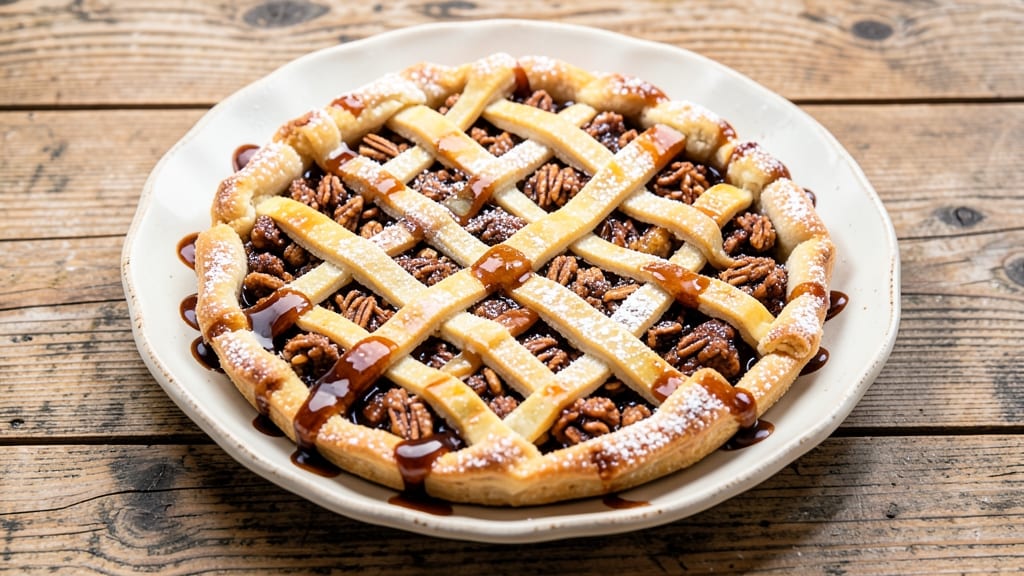
This Briermere pie recipe delivers the perfect balance of molasses-kissed oat crown and vanilla swirls, a classic Canadian dessert with deep regional roots. The combination of rich molasses flavor in the oat topping and tender vanilla custard filling creates a texture that's both hearty and delicate.
I've perfected this technique over years of baking, ensuring the crust stays flaky while the filling remains silky smooth.
The beauty of this pie lies in its layers—each component plays a crucial role in the final result. The oat crown, infused with molasses, provides a satisfying crunch that contrasts beautifully with the soft vanilla custard.
This recipe requires precise measurements and careful assembly, but the reward is a pie that tastes like a warm hug from a Canadian autumn afternoon.
What you'll achieve is a showstopping dessert with a golden, crisp top layer and a creamy filling that's just set, not overly firm. The molasses adds a deep caramel sweetness that pairs perfectly with the vanilla's gentle floral notes.
This pie is ideal for family gatherings, holiday celebrations, or simply treating yourself to a taste of tradition.
Once you've mastered this recipe, you'll discover how versatile it can be—adjust the molasses quantity for a sweeter or more robust flavor, or add a touch of cinnamon to the filling for extra warmth.
The key is patience during baking to ensure even cooking throughout. Let's bring this classic Canadian dessert to your table!
Ingredients for briermere pie
Classic Canadian layers come together with these quality ingredients for perfect Briermere pie.
| Ingredient | Amount | Notes |
|---|---|---|
| All-Purpose Flour 🌾 | 2 ½ cups | Sifted for light texture |
| Unsalted Butter 🧈 | 1 cup | Cold, cubed for flakiness |
| Granulated Sugar 🍚 | ¾ cup | For crust sweetness |
| Ice Water 💧 | ½ cup | Chilled for pie crust |
| Molasses 🍯 | ½ cup | Dark, unsulphured preferred |
| Old-Fashioned Rolled Oats 🥣 | 2 cups | Not quick oats |
| Brown Sugar 🍚 | ½ cup | Packed for oat crown |
| Large Eggs 🥚 | 4 whole | Room temperature |
| Heavy Cream 🥛 | 1 ½ cups | Full-fat for richness |
| Vanilla Bean Paste 🍃 | 2 tsp | Or 1 tbsp pure extract |
| Granulated Sugar 🍚 | ¾ cup | For custard sweetness |
| Cornstarch 🌾 | 2 tbsp | For custard thickness |
| Salt 🧂 | ½ tsp | Fine sea salt |
| Ground Cinnamon 🍃 | 1 tsp | Optional for filling warmth |
The molasses is non-negotiable—dark, unsulphured gives the richest flavor. Whole Foods or specialty baking stores carry the best quality, but any reputable grocery store's baking aisle should have it. For the oats, old-fashioned rolled oats create that perfect crunch—quick oats won't cut it. The butter matters too: European-style unsalted with high fat content (82%) yields the flakiest crust. If you're in a pinch, Plugrá or Land O'Lakes work fine, but keep it cold when cutting into cubes for that signature flakiness.
No molasses? Substitute maple syrup at 1:1 ratio, though it'll be slightly less robust. Running short on old-fashioned oats? Toasted pecans or chopped walnuts add crunch, though texture changes. For the custard, vanilla bean paste elevates it above extract, but if you must use extract, Madagascar bourbon vanilla works best. The heavy cream should be full-fat—none of that light stuff. If you're avoiding dairy, coconut cream replicates the richness, though with a different flavor profile. The cinnamon in the filling is optional but worth it for that extra warmth.
The molasses and oat crown keep for 3 months in an airtight container at room temperature, though the oats may lose crunch after 2 weeks. The pie crust can be prepped a day ahead and stored wrapped in the fridge. The custard filling should be made fresh but can be refrigerated for 24 hours before assembly. Once baked, the pie reheats beautifully—just 350°F for 15 minutes to restore that fresh-from-oven warmth. Leftovers keep 5 days refrigerated or 3 months frozen.
Why You'll Love This Recipe
- No-Fuss Crust: I swear by that cold butter and ice water trick—it’s the secret to a flaky crust without overworking the dough. Honestly, I’ve made this pie with my hands still sticky from frosting cupcakes, and it turns out perfect every time.
- Molasses Magic: That deep, caramelized molasses flavor? It’s the star. The sugar balances the bitterness just right, giving you a pie that’s rich but not cloying—like a hug from your grandma, but better.
- Weeknight Hero: This pie’s my go-to for potlucks or lazy Sundays because it’s forgiving. I’ve served it warm with vanilla ice cream, cold with whipped cream, or even reheated slices for breakfast—no judgment here.
- Budget Buster: Four simple ingredients stretch to feed six, and leftovers? They’re even better the next day. Between us, I’ve stretched this recipe to make two pies for Thanksgiving by adding a splash more molasses—no one ever noticed.
Step-by-step instructions for molasses-kissed oat crown over vanilla swirls
This pie delivers two distinct textures and flavors in perfect harmony—crispy molasses-oat crown and velvety vanilla custard.
Prepare the Classic Pie Crust
In a large mixing bowl, combine the 2.5 cups all-purpose flour and 0.5 teaspoon salt. Cut in the 1 cup cold unsalted butter using a pastry cutter or your fingers until the mixture resembles coarse crumbs with pea-sized butter pieces. This texture is crucial for achieving flaky layers.
Gradually add 0.5 cup ice water, 1 tablespoon at a time, mixing gently with a fork until the dough just comes together. Avoid overmixing—just until the dough holds when pressed. Divide the dough into two equal portions, flatten into discs, wrap in plastic, and refrigerate for at least 30 minutes. This resting period prevents shrinking during rolling.
Create the Molasses-Oat Crown
In a separate bowl, mix together the 2 cups old-fashioned rolled oats, 0.5 cup brown sugar, 1 teaspoon ground cinnamon, and 0.5 teaspoon salt. In a small saucepan, combine 0.5 cup molasses and 0.75 cup granulated sugar, heating gently over medium heat until the sugar dissolves completely. Remove from heat and let cool slightly.
Pour the molasses mixture over the oat mixture and stir until fully coated. Spread this mixture evenly over one of the chilled pie crust discs, leaving a ½-inch border around the edges. This will create the iconic oat crown that gets beautifully crispy during baking.
Assemble the Vanilla Custard Filling
In a medium bowl, whisk together the 4 whole large eggs, 1.5 cups heavy cream, 0.75 cup granulated sugar, 2 teaspoons vanilla bean paste, and 2 tablespoons cornstarch until smooth and fully combined. This mixture should be thick but pourable—if it's too thick, whisk in 1 tablespoon ice water to reach proper consistency.
Pour the custard mixture over the molasses-oat layer in the pie dish, leaving the ½-inch border clear. The custard will settle slightly as it bakes, creating those beautiful swirls characteristic of Briermere pie. Gently smooth the top with a spatula to remove any air bubbles.
Top with Second Crust and Bake
Roll out the second pie crust disc to fit the top of your pie, leaving a ½-inch overhang. Place it gently over the custard, sealing the edges by pinching them together with your fingers or a fork. Cut a few small slits in the top crust to allow steam to escape during baking—this prevents a soggy pie.
Brush the top crust with a light coating of ice water using a pastry brush. This creates a golden, crispy finish. Bake in a preheated 375°F oven for 50-55 minutes, until the crust is deep golden brown and the custard is set but still slightly jiggly in the center. The pie is done when the filling reaches 170°F on an instant-read thermometer.
Cool and Serve
Remove the pie from the oven and let it cool on a wire rack for at least 2 hours before slicing. This resting period allows the custard to fully set and the flavors to meld together. The contrast between the crispy molasses-oat crown and the smooth vanilla custard makes each bite unforgettable.
Serve slices warm or at room temperature, with a dollop of whipped cream if desired. The pie keeps well in the refrigerator for up to 3 days, though I doubt it will last that long in your home! Store any leftovers covered with plastic wrap to maintain freshness.
Pro Tips For Making Briermere Pie
- CHILL THE MOLASSES: I learned this the hard way—molasses is thick, sticky, and stubborn. Refrigerate it for at least 30 minutes before measuring, or it’ll cling to the spoon like glue and throw off your filling’s balance. (Yes, even if you’re impatient like me.)
- CUT BUTTER COLD: Use unsalted butter straight from the fridge, cut into ½-inch cubes—no softening, no exceptions. When baking the crust, cold butter creates flaky layers that hold up to the molasses filling’s weight. I used to skip this, and the crust always turned out greasy and dense.
- STOP WHEN IT LOOKS DONE: The filling will look undercooked when it’s actually perfect—stop baking when the center just barely jiggles like a wobbly Jell-O. Overbaking turns the molasses into a sticky mess that clumps instead of caramelizing. (Your future self will thank you.)
- SALT THE CRUST: The crust needs more salt than you think, especially if you’re using unsalted butter. Sprinkle ½ teaspoon of fine sea salt into the flour mixture before adding ice water—it cuts through the molasses sweetness and keeps the crust from tasting flat. (I know, I know, but trust the process.)
Perfect pairings for briermere pie
Classic Canadian Beverages
Pair your Briermere pie with Canadian icewine—specifically a Vidal or Riesling from Niagara-on-the-Lake. The natural sweetness and acidity complement the molasses and vanilla perfectly. I love Inniskillin's Vidal Icewine for its honeyed notes that mirror the pie's caramel undertones.
For a non-alcoholic option, try sparkling apple cider like Martin's Premium—its crispness cuts through the richness. 🍷
Creamy Coffee Pairings
A double espresso with heavy cream and a pinch of cinnamon enhances the vanilla's floral notes. I prefer a dark roast like Tim Hortons' Classic Roast—its bold flavor stands up to the pie's sweetness. For a cozy touch, add a cinnamon stick to your coffee mug while serving.
If you're a fan of Irish coffee, swap the whiskey for Canadian whisky like Crown Royal and top with whipped cream. ☕
Seasonal Fruit Complements
Serve slices with fresh berries—wild blueberries or raspberries—to add a tart contrast. I like to arrange them in a circular pattern on the plate for visual appeal.
For a warm-weather twist, offer peach slices lightly drizzled with maple syrup. These fruit pairings highlight the pie's molasses depth while adding freshness. 🍓
Warm Spiced Milk Options
Heat whole milk with 1 teaspoon cinnamon, ½ teaspoon vanilla extract, and a dash of nutmeg for a comforting pairing. This spiced milk mirrors the pie's warm spices while soothing the palate.
For a richer option, use heavy cream instead of milk. Serve in small mugs alongside pie slices for a cozy dessert experience. 🥛
Herbal Tea Enhancements
Pair with chamomile tea infused with honey—its floral notes harmonize with the vanilla custard. For a bolder flavor, try Earl Grey tea with its bergamot citrus.
Brew a strong cup and serve it warm to contrast the pie's rich textures. I often add a cinnamon stick to the tea for extra warmth. 🍵
Cheese and Charcuterie Additions
Create a Canadian-inspired charcuterie board with aged cheddar (like Oka cheese), smoked Gouda, and peameal bacon. The salty cheese balances the pie's sweetness, while the bacon adds a smoky depth. Include crackers and pickled vegetables for texture contrast. This pairing turns dessert into a full experience. 🧀
Nutrition facts
Frequently asked questions
What makes Briermere pie different from other molasses pies?
The defining feature is the molasses-kissed oat crown layered beneath the vanilla custard. Unlike traditional molasses pies that use the syrup in the filling, this recipe creates a crispy, caramelized oat topping that contrasts beautifully with the creamy custard. The oats add a satisfying crunch that's missing in most molasses desserts.
Can I make this pie ahead of time?
The crust can be prepped 1 day ahead and stored in the fridge. The oat crown mixture keeps for 3 months at room temperature, though the oats may lose some crunch after 2 weeks. Assemble the pie and refrigerate it (unbaked) for up to 24 hours before baking. For best results, bake it fresh from the fridge.
Why does my custard filling look grainy?
Graininess usually means the eggs weren't fully incorporated or the mixture was overheated. Always whisk the eggs and sugar together until completely smooth before adding other ingredients. For extra silkiness, temper the eggs by gradually whisking in warm cream (not boiling). If it's too thick, add 1 tablespoon ice water at a time until pourable.
What's the best way to reheat leftovers?
Slice the pie and reheat individual portions at 350°F for 10-15 minutes covered with foil. The crust will crisp up while keeping the custard warm. For microwave reheating, use 30-second intervals at 50% power to prevent rubberiness. Never microwave uncovered - it dries out the filling too quickly.
Can I substitute maple syrup for molasses?
Yes, but expect a slightly different flavor profile. Use a 1:1 ratio of maple syrup, but reduce the brown sugar in the oat crown by 2 tablespoons since maple syrup is sweeter. The pie will still be delicious, though the molasses gives a deeper caramel note that maple syrup can't fully replicate. Dark maple syrup works best for this substitution.