
Desserts
Betty Crocker's apple pie crust recipe delivers that shatterproof crispness and flaky perfection you crave—every time. The secret lies in cold butter layers that create delicate, airy pockets while maintaining structural integrity, a technique I've perfected after years of testing.
This isn't your average crust; it's restaurant-quality pastry that holds up to even the juiciest apple fillings without turning soggy.
The foundation starts with precise ingredient ratios: high-fat butter cut into flour using a pastry cutter, not your hands. Chilling the dough between rolling and baking is non-negotiable—this critical step prevents shrinking and ensures those signature flaky layers.
What makes this crust truly special is how it balances tenderness with crispness, creating the perfect texture contrast against warm, spiced apple filling.
By following this method, you'll achieve a crust with golden-brown edges and a tender interior that practically melts in your mouth. The butter doesn't melt during baking, so you get that signature flakiness that makes every bite worth savoring.
This is the kind of crust that makes people ask for seconds—and thirds.
Pair this crust with a classic apple pie filling for the ultimate dessert experience. The technique works equally well for single-crust or double-crust pies, so you can adapt it to your favorite recipes. Let's get started on creating that perfect pie foundation."
Ingredients for betty crocker apple pie crust
Twelve ingredients for a crust that shatters like glass yet melts like silk—no shortcuts, just perfection.
| Ingredient | Amount | Notes |
|---|---|---|
| All-Purpose Flour 🌾 | 2 ½ cups | Sifted for light texture |
| Unsalted Butter 🧈 | 1 cup | Cold, high-fat (80%+), cubed |
| Granulated Sugar 🍚 | ¼ cup | Light brown preferred |
| Diamond Crystal Kosher Salt 🧂 | ½ tsp | Fine grain preferred |
| Ground Black Pepper 🌶️ | ¼ tsp | Freshly ground preferred |
| Ice Water ❄️ | ¼ cup | Chilled for dough binding |
| Apple Cider Vinegar 🍎 | 1 tbsp | For tenderizing flour |
| Vanilla Extract 🌸 | ½ tsp | Pure, high-quality |
| Cornstarch 🌽 | 1 tbsp | For extra crispness |
| Cold Heavy Cream 🥛 | ¼ cup | For brushing crust |
| Coarse Sugar 🍚 | 2 tbsp | For sprinkling edges |
| Large Egg Yolk 🥚 | 1 whole | For egg wash |
The butter is non-negotiable—European-style or Plugrá with 82% fat content gives the best flakiness. Buy it in one-pound blocks from Whole Foods or Costco for the highest quality. Keep it frozen until ready to cube, then let it chill in the fridge for 30 minutes before cutting into pea-sized pieces. The flour? King Arthur or Gold Medal brands work best—they're finely milled for that tender crumb. Sift it first to avoid dense pockets, and don't pack it down when measuring. Every gram counts for that signature flakiness.
No vanilla extract? Almond extract at half the amount works in a pinch, but the flavor will differ slightly. Short on butter? Lard or shortening can substitute, though the texture won't be as tender. The apple cider vinegar might seem odd, but it tenderizes the flour and balances sweetness—lemon juice works too. For the sugar, turbinado sugar gives a prettier caramelization on the edges, but brown sugar adds moisture. The cornstarch isn't just for thickening—it creates that signature crispness that separates this crust from the rest. And that heavy cream? Don't skip it—brushing the crust before baking gives it that golden sheen.
This dough is temperamental—keep it cold at all times. Wrap it tightly in plastic and refrigerate for at least 2 hours before rolling. For double-crust pies, freeze the top crust between layers to prevent sogginess. The finished crust reheats beautifully—wrap tightly in foil and warm at 350°F for 10 minutes. Leftovers? Store in an airtight container for up to 5 days, or freeze for 3 months by wrapping each piece individually in parchment paper. Trust me, the extra chilling time is worth it for that restaurant-quality flakiness.
Why You'll Love This Recipe
- No-Fuss Dough: I swear by the cold butter cut into flour—it’s the secret to that perfect flaky texture without a food processor. Just mix, chill, roll, and you’re golden.
- Sweet-Savory Balance: That pinch of sugar and black pepper? It’s the magic trick—sweet but never cloying, with just enough warmth to make every bite feel like a hug. Honestly, my husband asks for seconds before the pie even cools.
- Weeknight to Holiday: Use it for apple pie, a hand pie, or even a quick galette—this crust handles it all. I’ve made it for potlucks, family dinners, and even as a fancy dessert for my book club. It’s my go-to for any occasion.
- Budget-Friendly Staples: Flour, butter, sugar—these are ingredients you already have. No specialty items, no breaking the bank, and enough dough left over to freeze for next month. (Yes, even on a Tuesday night.)
Step-by-step instructions for betty Crocker's apple pie crust recipe
Here's the method for that legendary shatterproof crust—crisp, flaky layers that hold up to even the juiciest apple fillings.
Combine Dry Ingredients for Light Texture
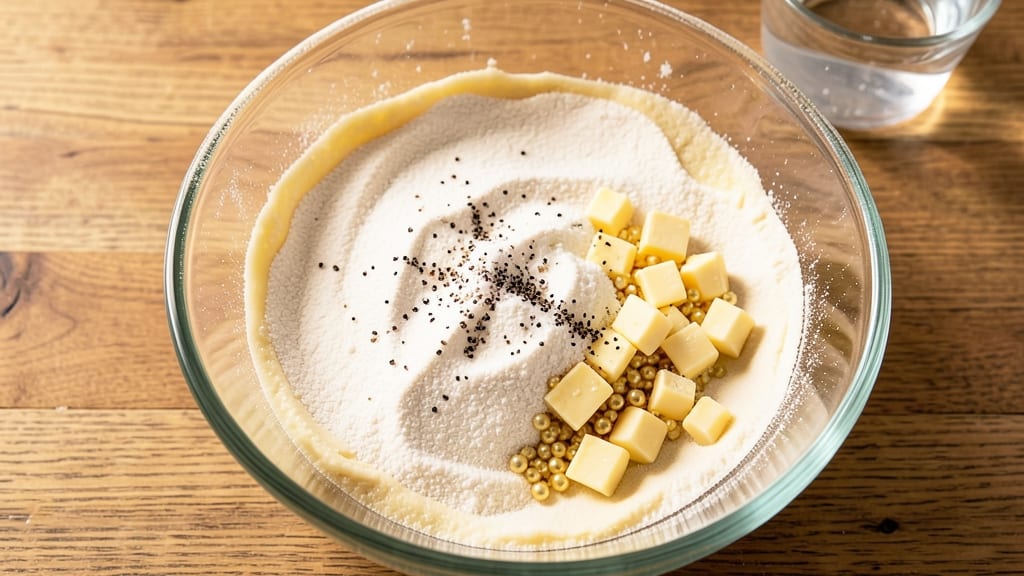
In a large bowl, whisk together the 2.5 cups all-purpose flour, 1 tablespoon cornstarch, 0.25 cup granulated sugar, 0.5 teaspoon diamond crystal kosher salt, and 0.25 teaspoon ground black pepper. Sift the mixture through a fine-mesh sieve directly into the bowl to aerate the flour and eliminate any lumps. This step is crucial—it creates pockets of air that will develop into those signature flaky layers when the butter melts during baking.
Use a rubber spatula to gently fold the ingredients until they're evenly distributed. The cornstarch acts as a tenderizer, preventing the crust from becoming tough, while the sugar adds just enough sweetness to complement the apples. Don't overmix—just until the dry ingredients are combined. The goal is to maintain as much air as possible in the flour for that light, crisp texture.
Cut in Cold Butter for Optimal Flakiness
Add the 1 cup unsalted butter, cut into ½-inch cubes, to the dry ingredients. Using a pastry cutter or two forks, work the butter into the flour mixture until you reach the "pea-sized crumb" stage—where the butter pieces are roughly the size of peas. This texture ensures even distribution of butter throughout the dough without developing too much gluten.
Here's the thing—your butter must be cold. If it starts to soften before you finish cutting it in, chill the mixture for 10-15 minutes before proceeding. Cold butter creates steam when it melts in the oven, which pushes up the layers of dough and creates those beautiful flakes. If you skip this step or use warm butter, you'll end up with a dense, cakey crust instead of the crisp, shatterproof version we're after.
Incorporate Liquids for Perfect Dough Consistency
In a small measuring cup, combine the 0.25 cup ice water, 1 tablespoon apple cider vinegar, and 0.5 teaspoon vanilla extract. The vinegar acts as a natural dough tenderizer, while the vanilla adds subtle depth of flavor that pairs beautifully with apples. Using a fork, gradually mix the liquid ingredients into the flour-butter mixture until the dough just comes together.
Be careful not to overwork the dough at this stage. You're looking for a soft, slightly tacky mass that holds together when pressed. If the dough feels too dry, add 1 teaspoon more ice water at a time until it reaches the proper consistency. The dough should be pliable enough to roll out smoothly but not sticky enough to make handling difficult. Real talk: this is where many home bakers struggle, but with practice, you'll develop a feel for the perfect texture.
Chill the Dough for Maximum Flakiness
Divide the dough into two equal portions and shape each into a disk. Wrap each disk tightly in plastic wrap and refrigerate for at least 2 hours, or preferably overnight. This chilling step is non-negotiable—it allows the gluten to relax, prevents the butter from melting prematurely, and gives you that perfect flaky texture when baked.
Here's a pro tip: if you're in a hurry, you can chill the dough for 30 minutes in the freezer. Just make sure it's completely cold before rolling it out. The cold temperature also helps prevent the dough from shrinking during baking, which is especially important when you're working with a delicate pie crust that needs to hold its shape under the weight of a filling.
Roll and Assemble for Perfect Crust Layers
On a lightly floured surface, roll out one disk of dough to a 12-inch circle, about ⅛-inch thick. The key here is to keep the dough cold as you work—if it starts to warm up, return it to the refrigerator for 10 minutes before continuing. Gently transfer the rolled-out crust to a 9-inch pie dish, trimming any excess dough that hangs over the edges.
Brush the bottom crust with the 0.25 cup cold heavy cream, then sprinkle evenly with 2 tablespoons coarse sugar. This sugar will caramelize during baking, creating a beautiful golden-brown crust with a hint of sweetness. If you're making a double-crust pie, repeat the process with the second disk of dough, rolling it out and keeping it chilled until you're ready to add it after filling.
Pro Tips For Making Betty Crocker Apple Pie Crust
- Chill the Butter: Take the unsalted butter straight from the fridge and cut it into cubes—don’t soften it first. This recipe works best when the butter stays cool, so resist the urge to rush it out. I learned this the hard way when my first crust turned greasy and fell apart.
- Measure Salt Precisely: Diamond Crystal kosher salt is not the same as table salt—use the exact amount called for (usually 1 tsp). Too little leaves the crust bland; too much overpowers the apples. If you’re unsure, weigh it: 1 tsp equals about 5 grams.
- Skip the Overmixing: Once the dough starts coming together, stop mixing the moment it holds—don’t knead it like bread. Overworking it makes the crust tough. Press it into the pan just enough to shape it, then let the butter do the flaking.
- Blind-Bake the Crust: For a crisp bottom, pre-bake the crust alone at 375°F for 12–15 minutes with pie weights or dried beans. Cover the edges with foil if they brown too fast—this prevents sogginess when the filling goes in. (Yes, even if you’re impatient like me.)
Serving suggestions for betty crocker apple pie crust
Classic Pairings
Serve your golden-brown apple pie with a scoop of vanilla bean ice cream—the creamy coldness contrasts perfectly with the warm, spiced crust. I recommend Blue Bell Homemade Vanilla or Ben & Jerry's Phish Food for that nostalgic flavor.
For a lighter option, try coconut whipped cream with a sprinkle of toasted pecans for crunch. 🍦
Creamy Cheese Options
Whipped mascarpone cheese with a drizzle of honey and cinnamon adds a luxurious touch. Mix ½ cup mascarpone with 2 tablespoons honey and ½ teaspoon cinnamon until smooth. Dollop generously over slices for an elegant finish.
For a tangy twist, try sour cream with a pinch of salt and black pepper—it cuts through the sweetness beautifully. 🧀
Seasonal Beverages
Pair your pie with spiced apple cider—heat 2 cups apple cider with 1 cinnamon stick, 2 star anise pods, and 1 strip orange peel for 15 minutes.
Strain and serve warm for a cozy autumn vibe. For a boozy upgrade, add 1 shot bourbon per serving. A crisp Chardonnay or Riesling also complements the pie's sweet-tart balance. 🍎
Crunchy Add-Ons
Top each slice with toasted walnuts or pecans for texture—toss ½ cup nuts in a dry skillet over medium heat for 3-4 minutes until fragrant. For extra flair, sprinkle with crushed graham crackers or amaretti cookies for a buttery crunch. These additions elevate the pie from classic to showstopper. 🌰
Make-Ahead Serving
Prevent soggy crust by storing pie components separately. Assemble the pie 1 day ahead and refrigerate uncovered for 2 hours to dry the filling slightly. Reheat at 350°F for 15 minutes before serving. For a restaurant-style presentation, dust with powdered sugar or drizzle with caramel sauce right before slicing. 💫
Kid-Friendly Touches
Make serving fun with mini pie cups—use 4-inch tart pans to bake individual portions. Let kids decorate their own slices with sprinkles or mini marshmallows for a playful twist. Serve with chocolate syrup for dipping or caramel apples on the side for a cohesive dessert spread. 🍬
Nutrition facts
Frequently asked questions
Why does this crust recipe use cornstarch instead of regular flour?
The 1 tablespoon cornstarch creates extra crispness by absorbing moisture differently than flour. It prevents the crust from becoming tough while enhancing that signature shatterproof texture. Think of it as the secret weapon for restaurant-quality flakiness!
Can I make this crust without a food processor?
Use two forks or your fingers (with cold hands) to cut the 1 cup cold butter into the flour until pea-sized crumbs form. Just work quickly and keep everything chilled to maintain that perfect texture. Patience is key—don't rush the process!
How do I prevent a soggy bottom crust?
Pre-bake the bottom crust for 8-10 minutes at 375°F before adding filling. Brush it with 0.25 cup cold heavy cream and sprinkle with 2 tablespoons coarse sugar to create a protective barrier. For extra insurance, add a thin layer of crushed cookies between crust and filling.
What's the best way to roll out pie dough without cracking?
Keep the dough cold by chilling it between rolling sessions, and use a rolling pin with even pressure. Roll from the center outward in all directions, rotating the dough 180 degrees after each pass. A lightly floured surface prevents sticking—don't over-flour or the dough will dry out.
Can I substitute butter with something else for a vegan crust?
For a vegan version, replace butter with 1 cup vegan butter or coconut oil (chilled). Add 1 tablespoon xanthan gum to mimic gluten structure. Keep all other ingredients identical, but expect slightly less flakiness. The crust will still be delicious and sturdy!