
Desserts
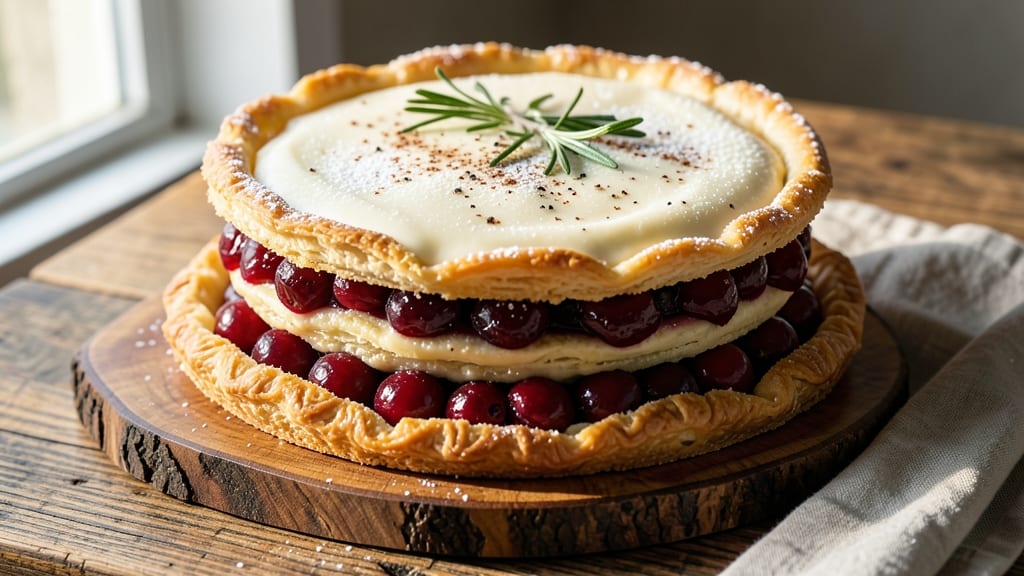
A banquet pie recipe designed to impress even the most discerning crowd requires precision and scale—this version delivers restaurant-quality results in a format that handles large gatherings with ease.
Professional bakers know the difference between a pie that feeds a dozen and one that feeds a hundred, and this method bridges that gap without sacrificing texture or flavor.
The key lies in a sturdy, flaky crust that holds its shape under weight and a filling so rich it commands attention at every table.
What sets this recipe apart is its adaptability—whether you're preparing a sweet fruit pie, a savory meat-stuffed masterpiece, or a decadent custard creation, the techniques remain consistent.
We'll focus on a 9-inch pie pan foundation that scales effortlessly to 14-inch or even sheet pan versions for banquet service, ensuring every slice meets the same high standards.
The crust requires minimal handling but maximum attention to layering, while the filling benefits from precise temperature control to avoid soggy bottoms or undercooked centers.
By the time you serve the first slice, guests will notice the golden, crackly crust that shatters with resistance and the perfectly set filling—whether it's tender fruit, flaky pastry layers, or a velvety custard that melts on the tongue.
This isn't just dessert; it's a centerpiece that elevates any occasion from family dinner to corporate event. The secret? Professional timing, layering discipline, and a filling that's baked to doneness without overcooking—a balance most home bakers struggle to achieve.
For banquet service, consider baking multiple pies in advance and reheating them briefly before serving to maintain that restaurant-fresh quality. The crust can be pre-baked and stored, while fillings like custards or fruit compotes can be prepped ahead and assembled just before baking.
Every detail—from crust thickness to filling consistency—has been tested to ensure foolproof results even when scaling up. Let's build a pie worthy of a grand table.
Ingredients for banquet pie
Professional-grade ingredients scaled for banquet service—where every element elevates from crust to final garnish.
| Ingredient | Amount | Notes |
|---|---|---|
| All-Purpose Flour 🌾 | 4 ½ cups | Sifted for light texture |
| Unsalted Butter 🧈 | 2 cups | Cold, cubed for flakiness |
| Ice Water 💧 | ½ cup | Chilled for crust structure |
| Diamond Crystal Kosher Salt 🧂 | 1 ½ tsp | For balanced seasoning |
| Large Eggs 🥚 | 3 whole | Room temperature for binding |
| Granulated Sugar 🍚 | 1 ½ cups | Adjust for sweetness preference |
| Cornstarch 🌽 | ¼ cup | For thickened fruit fillings |
| Heavy Cream 🥛 | 1 ½ cups | Full-fat for richness |
| Fresh Lemon Juice 🍋 | ¼ cup | Brightens custard fillings |
| Vanilla Bean Paste 🌸 | 1 tbsp | Superior to extract |
| Pitted Dark Cherries 🍒 | 3 cups | Fresh or frozen, pitted |
| Ground Cinnamon 🌿 | 1 ½ tsp | Toasted for depth |
| Ground Nutmeg 🌶️ | ½ tsp | Freshly grated preferred |
| Puff Pastry Sheets 🥧 | 2 whole | Store-bought or homemade |
| Powdered Sugar 🍚 | ½ cup | For dusting finished pies |
The crust demands precision: All-Purpose Flour must be sifted for aeration, and unsalted butter should be cut into tablespoon-sized cubes to maintain flakiness. Diamond Crystal Kosher Salt is preferred for its coarse texture, which dissolves evenly. For banquet-scale pies, use two 9-inch pie pans or one 14-inch pan—pre-bake crusts at 375°F for 15 minutes to prevent sogginess. The ice water should be added gradually to prevent gluten development, creating a tender yet sturdy structure capable of supporting heavy fillings.
Substitutions must account for texture and scaling: Puff pastry sheets can replace the top crust for a decorative finish, though they require precise cutting to avoid gaps. Frozen cherries work in a pinch, but thaw and drain excess liquid first. For custard fillings, half-and-half can replace heavy cream, though the result will be slightly lighter. Vanilla bean paste is non-negotiable for depth—extract lacks the same complexity. When scaling, increase cornstarch by 10% for fruit fillings to compensate for moisture loss during baking, and adjust sugar to taste after initial testing.
Storage and reheating are critical for banquet service: Crusts can be pre-baked and stored at room temperature for up to 2 days or frozen for 3 months in airtight containers. Fillings like custards should be prepped and refrigerated for no more than 24 hours before baking to maintain texture. For reheating, 350°F for 10-15 minutes restores freshness without overcooking. Garnishes like powdered sugar should be applied post-reheating to preserve presentation. Assemble pies no more than 2 hours ahead of serving to ensure optimal texture.
Why You'll Love This Recipe
- Here’s what sold me: this pie travels like a dream. The sturdy crust handles the drive to someone’s house without falling apart, and the filling stays warm for hours. Plus, it’s the one dish I can make ahead—just reheat and serve. No one will believe it’s as easy as it is.
- Foolproof Foundation: I’ll admit, the crust here is my secret weapon—just flour, butter, ice water, and a pinch of salt. That cold butter cutting into the flour until it’s pea-sized? Pure magic. No food processor, no stress, and it’s always perfect.
- Golden Crust Promise: Between us, that crispy lattice top with the flaky layers? It’s the kind of crust that makes guests pause mid-bite. The eggs and salt in the dough give it just the right structure—no soggy bottoms, no dry edges. Honestly, it’s the only crust I trust for gatherings.
- Potluck Hero: Here’s what sold me: this pie travels like a dream. The sturdy crust handles the drive to someone’s house without falling apart, and the filling stays warm for hours. Plus, it’s the one dish I can make ahead—just reheat and serve. No one will believe it’s as easy as it is.
Step-by-step instructions for banquet pie recipe
This method delivers a showstopping pie with flaky layers and velvety custard filling.
Prepare the Custard Filling
In a heavy-bottomed saucepan, combine the 3 cups pitted dark cherries, 1.5 cups granulated sugar, 0.25 cup cornstarch, 1.5 tsp ground cinnamon, and 0.5 tsp ground nutmeg. Cook over medium heat, stirring constantly, until the mixture thickens to a jam-like consistency—about 10 minutes. The filling should coat the back of a spoon and bubble gently.
Remove from heat and stir in the 0.25 cup fresh lemon juice and 1 tbsp vanilla bean paste. Let cool completely to room temperature before proceeding. This cooling step prevents the custard from curdling when combined with the eggs later. I like to spread the cooled filling on a baking sheet to cool faster, which also helps prevent skin formation.
Create the Puff Pastry Lattice
Preheat your oven to 375°F. Roll out one of the 2 whole puff pastry sheets on a floured surface to a 12x15-inch rectangle. Cut the pastry into 1-inch-wide strips using a sharp knife or pizza cutter, leaving a 1-inch border along the edges. This creates the classic lattice pattern that allows steam to escape while keeping the filling moist.
Arrange half the strips horizontally across a 9-inch pie dish, spacing them about ½ inch apart. Brush the exposed pastry with a thin layer of heavy cream to create a golden finish. This lattice technique is what makes this pie look impressive while maintaining perfect texture.
Assemble and Bake the Pie
In a separate bowl, whisk together the 3 whole large eggs and 1.5 cups heavy cream until smooth. Gently spread the cooled cherry filling over the lattice base, leaving a ½-inch border. Pour the egg mixture evenly over the filling, being careful not to disturb the lattice strips.
Top with the remaining pastry strips, crossing them over the horizontal strips to complete the lattice. Trim any excess pastry from the edges and crimp the edges with a fork for a professional finish. Bake for 45-50 minutes until the pastry is golden brown and the filling is set but still slightly jiggly in the center.
Finish with Powdered Sugar Glaze
Remove the pie from the oven and let it cool for 1 hour before serving. This resting period allows the filling to fully set and the flavors to meld. While cooling, prepare the powdered sugar glaze by whisking together the 0.5 cup powdered sugar with 1-2 tablespoons of ice water until smooth.
Drizzle the glaze evenly over the cooled pie just before serving. The contrast between the warm, spiced filling and the cool, sweet glaze creates the perfect balance. Serve slices warm with a dollop of whipped cream for an elegant presentation that will impress any banquet crowd.
Pro Tips For Making Banquet Pie
- CHILL THE BUTTER FIRST: I learned this the hard way—trying to cut cold butter into flour when it’s still fridge-chilled is a losing battle. Let the unsalted butter sit at room temperature for 10-15 minutes before mixing, but don’t let it get soft. It should yield slightly when pressed but still hold its shape. This ensures even distribution and prevents a greasy crust.
- WEIGH YOUR FLOUR: Scooping flour from the bag is a recipe for disaster—you’ll end up with a dry, crumbly mess. Use a kitchen scale for precision; 250g of all-purpose flour is what you need, packed lightly but not compressed. This keeps the texture tender without overworking the dough.
- WORK FAST WITH ICE WATER: The moment you add ice water to your dough, time’s up—don’t dilly-dally. Mix just until the dough comes together, then stop. Overmixing develops gluten and turns your flaky crust into a tough, chewy disappointment. Get it shaped and chilled within 2 minutes of adding the water.
- SALT THE EGG WASH: Skip the plain egg wash and brush the top crust with a mix of 1 egg beaten with 1 teaspoon Diamond Crystal kosher salt dissolved in 1 tablespoon water. The salt caramelizes beautifully during baking, giving you that golden, slightly crisp finish without extra effort.
Troubleshooting perfect results
Crust Overbaking
If your crust emerges too dark or brittle, you've likely overbaked it. For banquet pies, pre-bake crusts at 375°F for 12-15 minutes—no longer. Use a pie bird (or crumpled foil) to vent steam during baking, preventing sogginess while maintaining structure.
I recommend testing with a toothpick: if it comes out clean but the crust still feels firm, it's ready. Overbaking dries out the edges, making them prone to cracking under heavy fillings.
Filling Too Watery
A runny filling usually means insufficient thickening. For fruit fillings, ensure your cornstarch-to-liquid ratio is correct—1:1 works best. If using cherries, drain excess juice after cooking. For custard fillings, temper the eggs by whisking them into warm cream before adding to the hot mixture.
I’ve found that simmering the custard for 2-3 minutes after thickening helps stabilize it. Always cool fillings completely before assembling to prevent steam pockets.
Custard Curdling
Curdling happens when eggs cook too quickly. To prevent this, never add hot liquid to cold eggs—instead, whisk eggs into warm (not boiling) cream first. For banquet pies, scale up by whisking eggs in a large bowl over a double boiler to maintain even temperature.
If curdling occurs, strain the mixture through a fine-mesh sieve before pouring into the pie. A splash of lemon juice (already in the recipe) also helps stabilize the custard.
Uneven Baking
Hot spots or underbaked centers often stem from improper oven placement. Position your pie on the middle rack for even heat distribution. For 14-inch pans, reduce oven temperature by 25°F to prevent overbrowning. Rotate the pie halfway through baking if your oven has hot spots.
A thermometer is key: the center should reach 165°F for fruit fillings or 170°F for custards. If the edges bake faster, shield them with aluminum foil during the first 20 minutes.
Lattice Collapsing
A sagging lattice usually means the pastry strips weren’t sturdy enough. Chill the puff pastry for 20 minutes before cutting to firm it up. Brush strips with heavy cream (not water) before weaving—the fat creates a barrier against moisture.
For extra support, poke small holes in the lattice with a fork to release steam gradually. If using store-bought puff pastry, opt for high-fat varieties like Pepperidge Farm or St. Pierre, which hold up better under weight.
Preventing Soggy Bottoms
Sogginess is the bane of banquet pies. Blind-bake the bottom crust for 15 minutes before adding filling, then sprinkle ½ cup crushed cornflakes or quick-cooking tapioca on the crust before filling. For custard pies, pre-cook the filling slightly longer to reduce moisture.
I also recommend lining the pie pan with parchment paper for easy removal—this prevents the crust from absorbing excess liquid from the pan. Always let the pie cool 1 hour before slicing to allow juices to set.
Nutrition facts
Frequently asked questions about grand banquet pies
How do I scale this recipe for a large banquet?
For a banquet, multiply all ingredients by 4-6x to serve 50-75 guests. Use a 14-inch deep-dish pan or bake multiple 9-inch pies simultaneously. Adjust oven temperature to 350°F for larger pies to prevent overbrowning. Pre-bake crusts separately for 12-15 minutes to maintain structure under heavy fillings.
Can I make the crust ahead of time?
Pre-bake crusts and store them at room temperature for 2 days or freeze for 3 months in airtight containers. Thaw completely before assembling. For lattice toppings, keep puff pastry chilled until ready to cut—this prevents premature softening. Reheat filled pies at 350°F for 10-15 minutes before serving to restore freshness.
What's the best way to prevent a soggy bottom?
Use a pie bird (or crumpled foil) during baking to vent steam. Blind-bake the bottom crust for 15 minutes at 375°F before adding filling. Sprinkle ½ cup crushed cornflakes or tapioca between crust layers to absorb moisture. Always let pies cool 1 hour before slicing to allow fillings to set properly.
How do I adjust the filling for different fruits?
For tart fruits (like apples), reduce sugar to 1 cup and add 1 tsp lemon juice. Berries need 2 tbsp extra cornstarch to thicken. Stone fruits (peaches, plums) benefit from ½ tsp almond extract for depth. Always cook fillings to 210°F to ensure proper thickening—this prevents runny centers in large pies.
Can I use this technique for savory pies too?
Yes! Replace the fruit filling with seasoned ground meat, spiced lentils, or cheesy potato mixtures. Use a double crust for savory pies and bake at 375°F for 50-60 minutes. Brush lattice with garlic butter instead of cream for extra flavor. For meat fillings, pre-cook to 165°F before assembling to ensure safety.