
Desserts
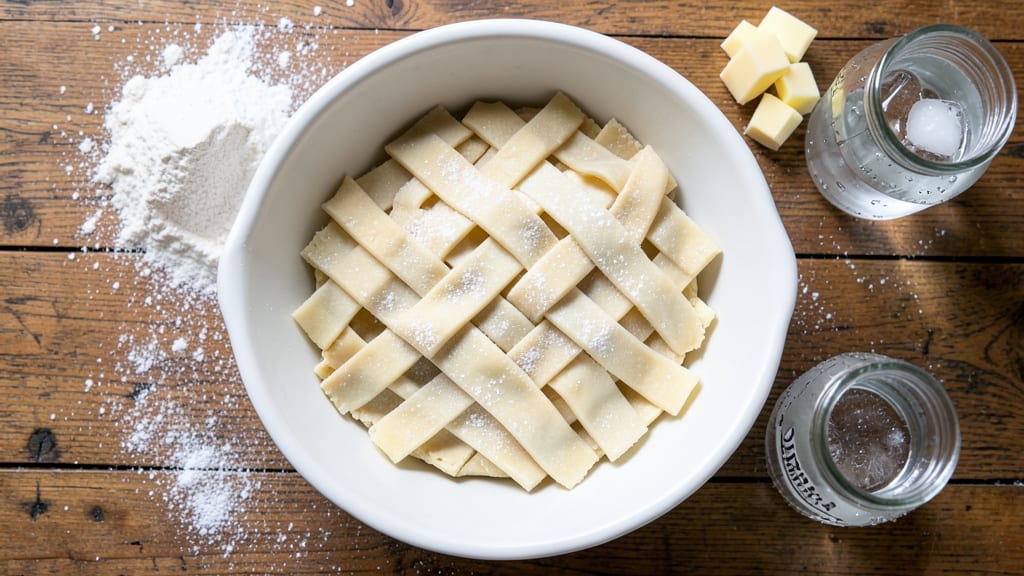
The America's Test Kitchen vodka pie crust recipe delivers ultra-flaky layers with a secret weapon: vodka. This isn't just another pie crust—it's a game-changer that eliminates rolling stress while creating a tender, melt-in-your-mouth texture.
The vodka's role isn't about flavor but about science: it tenderizes the dough and evaporates completely during baking, leaving behind a crisp yet delicate crust.
What makes this recipe stand out is the no-rolling technique, which relies on a precise dough-to-fat ratio and careful handling. Instead of battling a stubborn dough, you'll press it into the pan using a simple method that guarantees even thickness and perfect flakiness.
The vodka's presence also prevents gluten development, resulting in a lighter texture that's ideal for both sweet and savory pies.
By the time you pull this crust from the oven, you'll have a golden, shatteringly crisp shell that's surprisingly tender. The vodka's magic lies in its ability to create tiny steam pockets during baking, which separate the layers and create that signature flakiness.
This is the kind of crust that makes every pie—whether it's a classic apple, a rich quiche, or a savory pot pie—elevate to restaurant-quality.
Pair this crust with your favorite fillings, from seasonal berries to hearty chicken divan, and watch your desserts or savory pies become the star of the meal. The technique is foolproof, and the results are consistently impressive—no matter your baking experience level.
Let's get started on creating a crust that will change how you bake forever.
Ingredients for america's test kitchen pie crust recipe with vodka
Six ingredients, one secret weapon. This vodka crust changes everything.
| Ingredient | Amount | Notes |
|---|---|---|
| All-Purpose Flour 🌾 | 2 ½ cups | Sifted for even texture |
| Unsalted Butter 🧈 | 1 cup | Cold, cubed, not softened |
| Vodka 🍸 | ¼ cup | High-proof, neutral flavor |
| Ice Water ❄️ | ¼ cup | Chilled for precise mixing |
| Diamond Crystal Kosher Salt 🧂 | ½ tsp | Fine grain preferred |
| Granulated Sugar 🍚 | 1 tbsp | For tenderizing dough |
The butter is non-negotiable—use cold, cubed from the fridge (not softened or melted). Plugrá or Land O'Lakes work great, but avoid anything with additives. The vodka? Grab a small bottle of Smirnoff or Svedka—cheap stuff with no weird flavors. Ice water is key: it helps control gluten development. For the salt, Diamond Crystal is the gold standard (it's finer than Morton), but any kosher salt works. I always measure the sugar by weight if I'm feeling fancy—it's more precise, but a tablespoon works fine too.
No vodka? Cold white wine or apple cider vinegar does the trick in a pinch (use the same amount). Butter too warm? Pop it in the freezer for 10 minutes. The dough should feel like wet sand when you press it—if it's sticky, add a splash more flour. For a savory crust, skip the sugar. Want extra flakiness? Add 1 tablespoon cornstarch to the flour. The crust freezes beautifully—just roll it out and freeze between parchment paper for up to 3 months.
This dough stays fresh for 2 days in the fridge, wrapped tightly in plastic. For best results, let it rest 30 minutes before pressing into the pan. The vodka evaporates completely during baking, so no weird aftertaste. If you're prepping ahead, shape the dough into a disk, wrap it, and refrigerate. When ready to use, let it sit at room temperature for 15 minutes—this makes pressing it into the pan so much easier.
Why You'll Love This Recipe
- No Cold Hands Needed: I’ll be real—this crust starts with cold butter and ice water, but the vodka trick means no need to fuss with chilling dough. Just mix, shape, and roll. That’s it. The butter stays firm enough to work with, even when my kitchen feels like a sauna.
- Buttery Crunch, Every Time: The secret’s in the vodka—it evaporates during baking, leaving behind a crust so flaky and crisp it’ll make you question every other pie you’ve ever eaten. That golden, shatter-y edge? It’s not magic, it’s science (and a sharp knife for cutting the butter).
- Potlucks and Pies: Between us, this crust is my go-to for anything from classic apple to savory chicken pot pie. It freezes like a dream, so I make two batches when I’m hosting—one for the party, one for later. No one ever notices the difference.
- Pantry Staple Magic: Four ingredients, zero specialty items. The vodka? A splash is all you need, and it’s cheaper than buying fancy liqueurs. Honestly, I keep a bottle on hand just for this—because once you try it, you’ll never go back to the dry, crumbly stuff.
Step-by-step instructions for america's test kitchen vodka pie crust recipe
This no-roll method guarantees flaky layers with minimal effort—just mix, press, and bake.
Mix Dry Ingredients for Perfect Texture
In a large bowl, whisk together the 2.5 cups all-purpose flour, 0.5 teaspoon diamond crystal kosher salt, and 1 tablespoon granulated sugar. I like to use a whisk for this step because it aerates the flour slightly, which helps create those signature flaky layers. Sift the flour first if you have time—it prevents lumps and ensures even distribution of the salt and sugar throughout the crust.
The sugar isn't just for sweetness here. It tenderizes the dough slightly by preventing gluten development, which keeps the crust tender rather than tough. The salt enhances flavor and helps regulate gluten formation too. Mix these dry ingredients until completely homogeneous—you should see no visible flecks of salt or sugar remaining.
Cut in Cold Butter for Maximum Flakiness
Add the 1 cup cold, cubed unsalted butter to the flour mixture. Using a pastry cutter or your fingers, work the butter into the flour until you reach pea-sized crumbs with some larger butter pieces remaining. This is crucial—you want some butter pieces to stay intact because they'll melt during baking and create those beautiful flaky layers.
Here's the thing—never use softened butter. The cold butter creates steam pockets when it hits the oven, and that steam is what makes the crust flaky. If your butter starts to feel warm or greasy, pop the bowl into the freezer for 5 minutes to firm it up again. You're aiming for a texture that's cold to the touch but still workable.
Add Vodka and Ice Water for Perfect Moisture
Pour in the 0.25 cup vodka and 0.25 cup ice water all at once. Using a fork, gently mix until the dough just comes together—it should look shaggy but hold when pressed. The vodka is the secret ingredient here. It evaporates quickly during the initial baking phase, creating more steam pockets for flakiness, while also preventing a tough crust that can happen with other liquids.
Don't overmix—just combine until the dough forms when pressed. If it feels too dry, add 1 teaspoon more ice water. If it's too wet, sprinkle in 1 tablespoon more flour. The dough should hold together when pressed but still be slightly crumbly. This texture ensures easy pressing without requiring rolling.
Press the Dough into the Pan
Press the dough evenly into a 9-inch pie dish, using your fingers to create an even layer about ¼-inch thick at the edges and ⅛-inch thick in the center. I like to use a pie dish that's already in the freezer for 10 minutes—this helps the dough stick better and prevents shrinking during baking. Press firmly but don't compact the dough too much, or you'll lose that flaky texture.
Here's a pro tip: press the dough straight down rather than trying to stretch it. This prevents the gluten from developing too much, which keeps the crust tender. You want the edges to be slightly thicker than the center—they'll shrink back a bit during baking, but this helps create that beautiful fluted edge.
Blind Bake for Perfect Crust
Preheat your oven to 375°F. Line the pressed dough with parchment paper, fill with pie weights or dried beans, and bake for 15 minutes. Remove the weights and bake for another 10-15 minutes until the edges are golden brown and the crust is set. The vodka will have mostly evaporated by now, leaving behind that signature flaky texture.
Watch the crust carefully during the last few minutes—it should be fully set but not dark brown. If it starts to brown too quickly, tent it loosely with foil. The crust is done when it's firm to the touch and the edges are golden. Let it cool for 10 minutes before adding your filling, or it might collapse under hot ingredients.
Pro Tips For Making America'S Test Kitchen Pie Crust Recipe With Vodka
- CHILL THE BUTTER FIRST: I learned this the hard way—taking cold butter straight from the fridge and cutting it into the flour makes a real difference. The vodka in this recipe needs that butter to stay firm so it doesn’t turn into a greasy mess when the dough rests. Pop it in the freezer for 20 minutes if your kitchen’s warm, and use a microplane or food processor to get it into tiny, even pea-sized pieces.
- MEASURE THE VODKA IN GRAMS: The recipe calls for 1 tablespoon of vodka, but liquid measurements are the devil in baking. Weigh it instead—vodka’s alcohol content varies, and a heavier hand means a tougher crust. Aim for about 15 grams (just over a tablespoon), and use a kitchen scale for precision. Trust me, your future pie will be flakier for it.
- WORK FAST WITH ICE WATER: This isn’t the time to take your sweet time. Once you add the ice water, the dough starts losing its structure fast. Keep a bowl of ice water ready, and add it one teaspoon at a time while mixing—don’t dump it all in. The vodka helps, but you still need that cold water to keep the gluten from overdeveloping. Your hands will thank you too—this dough gets sticky quick.
- LET IT REST—NO EXCUSES: I know, I know, you’re eager to roll it out. But give that dough a full 30 minutes in the fridge before touching it. The vodka and cold butter need time to relax the gluten, or you’ll end up with a tough, chewy mess. Wrap it tightly in plastic, and if you’re really impatient, stick it in the freezer for 15 minutes. Your pie’s layers will thank you later.
Essential equipment for this recipe
Essential Mixing Tools
For this vodka pie crust, your large mixing bowl is non-negotiable—I recommend a stainless steel bowl (like the OXO Good Grips line) to prevent warping. A pastry cutter (or two forks) works best for cutting in the butter, but your fingers are fine if you keep everything cold.
I also keep a small whisk handy for aerating the flour before mixing—this creates tiny air pockets that contribute to flakiness. 🌾
Precision Measuring
Accurate measurements are everything here. Use a digital kitchen scale (like the OXO Good Grips model) for the flour, salt, and sugar to ensure consistency.
For the vodka and ice water, a liquid measuring cup with clear markings is essential—I like the Pyrex glass ones because they’re durable and easy to read. The ice water should be exactly 32°F—use a thermometer if you’re worried about temperature variations. ❄️
Pie Dish and Baking
A 9-inch glass or ceramic pie dish (like Pyrex or Corelle) is ideal because it conducts heat evenly and prevents soggy bottoms. For blind baking, you’ll need pie weights (I use Ceramic Pie Weights from Amazon) or dried beans in a clean cotton towel.
A rolling rack (like the OXO Good Grips one) is a game-changer for cooling the crust evenly after baking. 🔥
Optional Pro Upgrades
For extra flakiness, invest in a bench scraper (like OXO’s) to help distribute the dough evenly in the pan. A dough scraper (or even a spatula) works too.
If you’re prepping ahead, a vacuum sealer (like FoodSaver) keeps the dough fresh for up to 3 months in the freezer. For blind baking, a laser thermometer (like Thermoworks) ensures your crust hits the perfect 375°F without guesswork. 💡
Vodka-Specific Gear
While any neutral vodka (like Smirnoff or Svedka) works, I keep a small bottle (about 80 proof) on hand just for baking. A fine-mesh strainer helps remove any impurities if you’re using a cheaper brand.
For safety, store your vodka in a dark, airtight container—this preserves its clarity and prevents flavor degradation over time. 🍸
Nutrition facts
Frequently asked questions
Why does vodka make the pie crust flakier than regular recipes?
The vodka creates extra steam pockets during baking, which separate the dough layers beautifully. Unlike water, it evaporates quickly but leaves behind tiny air gaps that enhance flakiness. Plus, it tenderizes the dough without adding moisture that can make the crust tough.
Can I substitute vodka with another liquid if I don't have it?
Yes! Use cold white wine or apple cider vinegar in the same amount. Both work because they contain alcohol that evaporates during baking. Just avoid water—it won’t create the same flaky texture.
How do I fix a dough that's too sticky or too dry?
If too sticky, add 1 tablespoon flour at a time. If too dry, sprinkle 1 teaspoon ice water and mix gently. The dough should hold together when pressed but still feel slightly crumbly—this is ideal for pressing without rolling.
Can I make this crust ahead of time?
Shape the dough into a disk, wrap tightly, and refrigerate for up to 2 days. For longer storage, freeze it for 3 months. Thaw in the fridge overnight before using. The vodka’s flavor completely evaporates during baking, so no alcohol taste remains.
What's the best way to prevent a soggy bottom?
Always blind bake the crust for 25-30 minutes at 375°F before adding filling. Use parchment paper and pie weights to support the shape. For extra insurance, sprinkle 1 tablespoon cornstarch on the bottom before adding filling. This creates a barrier against moisture.