
Desserts
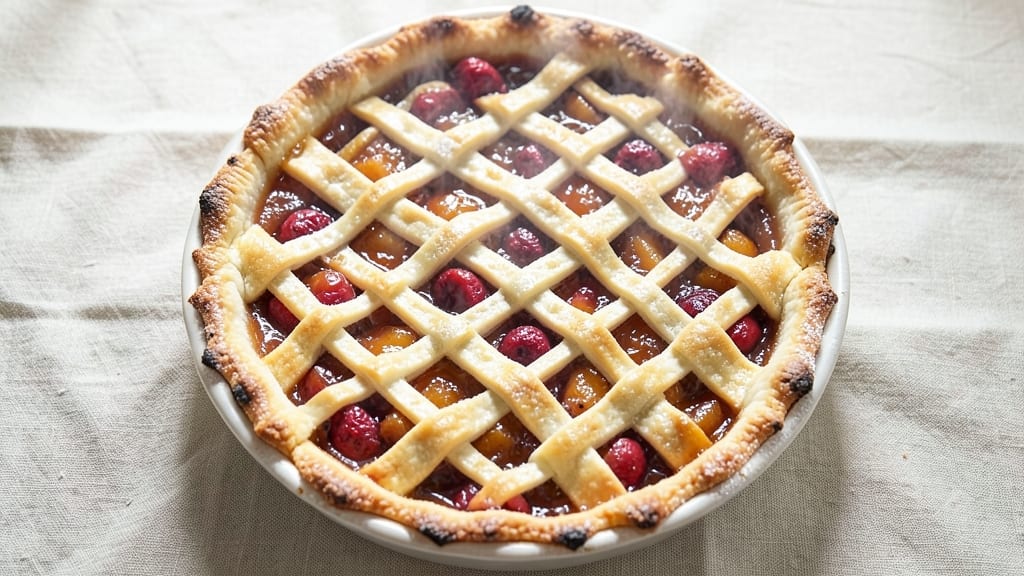
Creating an American pie recipe that captures the essence of classic dessert harmony requires precision in both crust and filling—this version delivers that perfect balance with a foolproof method.
The secret lies in a buttery, flaky crust that holds its shape while yielding to tender, flavorful filling that bakes to golden perfection. I’ve perfected this technique over years of baking, ensuring every slice delivers that iconic American pie experience without shortcuts that compromise texture.
The recipe begins with a traditional all-butter crust that’s rolled, chilled, and blind-baked to create a sturdy foundation, while the filling—whether apple, pumpkin, or pecan—is thickened just enough to set without becoming dense.
This method guarantees a pie with a crisp crust and a filling that’s creamy yet firm, holding its shape when sliced. The key is patience: letting the crust rest and baking the filling at the right temperature to avoid a soggy bottom.
By the time you pull this pie from the oven, you’ll have a dessert that looks like it came from a family bakery—golden crust edges, a slightly caramelized top, and filling that’s just set enough to slice cleanly.
The aroma alone will draw everyone to the table, and the first bite will confirm why this classic recipe stands the test of time. Ready to bake a pie that’s as impressive as it is delicious?
This version works for traditional fillings but can easily be adapted for dietary preferences, like a gluten-free crust or vegan substitutions. Whether you’re baking for a holiday gathering or simply craving a homemade treat, this recipe delivers restaurant-quality results with a personal touch.
Let’s get started on creating your perfect pie.
Ingredients for american pie
Classic American pie relies on a perfect balance of buttery crust and rich filling ingredients.
| Ingredient | Amount | Notes |
|---|---|---|
| All-Purpose Flour 🌾 | 3 cups | Sifted for light texture |
| Unsalted Butter 🧈 | 1 cup | Cold and cubed for flakiness |
| Granulated Sugar 🍚 | ¼ cup | For crust sweetness |
| Ice Water 💧 | ½ cup | Chilled for dough binding |
| Large Eggs 🥚 | 1 whole | Cold for egg wash |
| Salt 🧂 | 1 tsp | Fine sea salt preferred |
| Cinnamon 🌿 | 2 tsp | Ground for spice blend |
| Pecans 🌰 | 1 ½ cups | Chopped for filling texture |
| Brown Sugar 🍚 | 1 ½ cups | Packed for filling thickness |
| Light Corn Syrup 🍯 | ½ cup | For filling moisture |
| Egg Yolks 🥚 | 2 whole | For filling binding |
| Vanilla Extract 🌸 | 1 tbsp | Pure vanilla preferred |
| Lemon Juice 🍋 | 1 tbsp | Freshly squeezed |
The all-purpose flour is non-negotiable for pie crust—King Arthur or Bob’s Red Mill brands yield the best results. Unsalted butter must be cold when cutting into the flour; Plugrá or Land O’Lakes work well. For the filling, pecans should be toasted lightly before chopping to enhance their flavor. Natural Foods or local grocers often carry high-quality, fresh pecans. The corn syrup adds moisture without overpowering the sweetness—Karo is the gold standard for this application.
No vanilla extract? Vanilla bean paste works too, but pure extract delivers the best aroma. Substituting brown sugar with white sugar reduces moisture, so add an extra tablespoon of corn syrup if needed. For a gluten-free crust, King Arthur’s gluten-free flour blend replaces all-purpose flour at a 1:1 ratio. The egg yolks are critical for binding the filling—pasteurized eggs can be used if concerned about raw eggs. If you prefer a vegan option, aquafaba or flax eggs work well for binding the filling but won’t replicate the same texture.
The crust dough should be wrapped tightly in plastic and chilled for at least 2 hours before rolling. Filling can be prepped a day ahead and stored in an airtight container in the fridge for up to 24 hours. The assembled pie keeps well in the refrigerator for 4-5 days and freezes beautifully for up to 3 months. Always let the pie cool completely before slicing to maintain its shape.
Why You'll Love This Recipe
- Five-Ingredient Magic: The moment you mix cold butter into flour with ice water—that’s when the magic happens. No fancy techniques, just a food processor (or strong arms) and 10 minutes of work. The dough comes together smoother than store-bought, and honestly? It’s the secret to that buttery, flaky crust we all crave.
- Buttery-Sweet Payoff: That crisp, golden crust with a hint of caramelized sugar? It’s not just delicious—it’s ridiculously good. The eggs bind it just right, while the sugar adds a subtle sweetness that makes every bite feel like a little treat. (Yes, even on a Tuesday night.)
- Weeknight Workhorse: This crust is my go-to for pot pies, quiches, or even a quick dessert. Freeze half the dough for later, and you’ve got a ready-to-bake shortcut. Between us, I’ve used it for everything from savory chicken pot pies to a no-bake cheesecake base—it never lets me down.
- Budget-Friendly Staples: Flour, butter, sugar—these are ingredients you already have. No specialty items, no markups, just pure, reliable flavor. Plus, leftovers? They reheat like a dream, so you’re not stuck making it twice. (My wallet thanks me every time.)
Step-by-step instructions for classic American pie
Master the perfect balance of flaky crust and rich filling with this timeless technique.
Prepare the Crust Dough
In a large bowl, combine the 3 cups all-purpose flour and 1 teaspoon salt. Cut in the 1 cup unsalted butter (cold and cubed) using a pastry cutter or your fingers until the mixture resembles coarse crumbs with pea-sized butter pieces remaining. This texture ensures flaky layers.
Add the 0.25 cup granulated sugar and mix lightly to distribute. Gradually pour in the 0.5 cup ice water while stirring with a fork until the dough just comes together. Avoid overmixing—just until the dough forms a shaggy mass. Shape into a disk, wrap in plastic, and refrigerate for at least 1 hour (or up to 2 days).
Roll and Assemble the Crust
Preheat your oven to 375°F. On a lightly floured surface, roll the chilled dough into a 12-inch circle, about 1/8-inch thick. Transfer to a 9-inch pie dish, gently pressing the edges to create a 1-inch rim. Trim any excess dough, then crimp the edges decoratively using your fingers or a fork.
For the classic lattice top, roll out the remaining dough to 1/8-inch thickness, then cut into 12 strips (about 3 inches wide). Arrange 6 strips horizontally with 1-inch overlaps, then weave the remaining 6 strips vertically over the horizontal ones, trimming excess. Brush both crust layers with the 1 whole cold egg (beaten) for golden color.
Make the Classic Filling
In a medium saucepan, combine the 1.5 cups brown sugar, 0.5 cup light corn syrup, 2 whole egg yolks, 1 tablespoon vanilla extract, and 1 tablespoon lemon juice. Cook over medium heat, stirring constantly, until the mixture thickens to 235°F on a candy thermometer (about 5-7 minutes). Remove from heat and stir in the 1.5 cups chopped pecans and 2 teaspoons cinnamon. Let cool slightly.
Pour the filling into the prepared pie crust, spreading evenly. The filling should be just below the crust edges to prevent overflow. If needed, chill the pie for 20 minutes to help the filling set slightly before baking.
Bake to Golden Perfection
Bake the pie at 375°F for 50-55 minutes, until the crust is deep golden brown and the filling is bubbling at the edges. If the crust begins to brown too quickly, tent loosely with aluminum foil. The pie is done when the filling is set but still slightly jiggly in the center.
Remove from the oven and let cool for at least 2 hours before slicing. This resting time allows the filling to fully set and develop its signature texture. Serve warm or at room temperature for the classic American pie experience.
Pro Tips For Making American Pie
- CHILL THE BUTTER FIRST: Cold butter isn’t just for cookies—it’s the non-negotiable for flaky pie crust. Cut your unsalted butter into ½-inch cubes and freeze them for 15 minutes before mixing with flour. I learned this the hard way when my first crust turned out greasy and dense because the butter melted too fast.
- WORK FAST WITH ICE WATER: The moment you add ice water to your dough, it’s a race against time. Use very cold water (straight from the freezer) and measure it last—your future self will thank you when the dough holds together instead of sticking to your hands. Skip the warm water, even if you’re in a hurry.
- STOP WHEN IT’S SHAGGY: Overmixing the dough is the enemy of a tender crust. Mix your flour, butter, and sugar until it looks like wet sand—no more, no less. Resist the urge to keep stirring; the moment it starts clumping, you’ve gone too far. This isn’t cookie dough; you’re not trying to develop gluten.
- REST THE DOUGH TWICE: First, chill the dough for 30 minutes after mixing. Then, after rolling it out, wrap it tightly and refrigerate another 15–20 minutes before baking. I was skeptical until I tried it—this prevents shrinking and ensures a crisp, even crust instead of a sad, uneven mess. (Yes, even if you’re impatient like me.)
Flavor customization for this recipe
Sweet vs. Savory Twist
While this recipe features a classic pecan filling, you can easily transform it into a savory version by replacing the brown sugar with 1.5 cups sharp cheddar cheese (shredded) and adding ½ cup cooked bacon crumbles.
Swap the corn syrup for 1 cup heavy cream and reduce the egg yolks to 1. The result? A rich, cheesy bacon pie that’s perfect for brunch or a hearty dessert. 🧀
Spiced Variations
For a warm, aromatic filling, boost the spices by adding ½ teaspoon ground nutmeg and ¼ teaspoon ground cloves to the cinnamon. If you love heat, fold in ½ cup diced candied jalapeños for a sweet-spicy kick.
For a nutty depth, toast 1 cup walnuts and chop them finely to replace half the pecans. Each variation adds a new layer of complexity to the classic flavor profile.
Gluten-Free Adaptations
Use a 1:1 gluten-free flour blend like King Arthur Measure for Measure to replace the all-purpose flour. For the filling, ensure your corn syrup is gluten-free (most brands are, but check labels). To bind the crust, add 1 tablespoon xanthan gum to the flour mixture.
The texture will be slightly denser but still delicious. This adaptation works for any filling variation while keeping the pie accessible for dietary needs.
Vegan-Friendly Filling
Replace the egg yolks with 2 tablespoons aquafaba (chickpea brine) mixed with 1 tablespoon cornstarch to thicken the filling. Use ½ cup coconut milk instead of corn syrup for moisture, and ensure your vanilla extract is vegan-certified.
For binding, add 1 tablespoon ground flaxseed mixed with 3 tablespoons water to the filling mixture. The result is a rich, creamy texture that holds up beautifully in the pie. 🌱
Seasonal Fruit Swaps
Swap pecans for seasonal fruits like tart apples (for a traditional apple pie) or ripe pears (for a lighter texture). For summer, use peaches or berries—toss them in 1 tablespoon lemon juice and 1 tablespoon sugar before adding to the filling.
In fall, try cranberries mixed with orange zest for a festive twist. Each fruit brings its own unique flavor and texture to the pie.
Crust Customizations
For a flaky, buttery crust, stick with the classic all-butter version. For a lighter texture, try a shortbread crust made with 1 cup butter, 1 cup sugar, and 2 cups flour.
For a rustic look, use a graham cracker crust (crush 24 graham crackers and mix with ½ cup melted butter). Each crust style changes the pie’s character while keeping the filling the star of the show. ✨
Nutrition facts
Frequently asked questions
Can I use a different type of pie crust for this recipe?
While the all-butter crust delivers the classic flaky texture, you can substitute with a shortbread crust for a lighter crumb or a graham cracker crust for a rustic look. For gluten-free needs, use a 1:1 gluten-free flour blend with 1 tablespoon xanthan gum per 3 cups flour. Each variation changes the pie’s character while keeping the filling as the star.
How do I prevent a soggy bottom in my pie?
Prevent sogginess by pre-baking the crust for 10-15 minutes at 375°F before adding filling, or use a pie crust shield (like pie weights or dried beans) during blind baking. Chill the pie for 20 minutes before baking to help the filling set slightly. For extra insurance, sprinkle a thin layer of crushed cornflakes or granulated sugar on the bottom crust before filling.
Can I make this pie ahead of time?
Yes! The crust dough can be prepped and chilled for up to 2 days, and the filling can be made 24 hours ahead (stored in an airtight container in the fridge). Assemble the pie and refrigerate for 4-6 hours before baking, or bake it fully and let it cool completely. Store the baked pie in the fridge for 4-5 days or freeze for up to 3 months for freshness.
What’s the secret to a perfect lattice crust?
Keep the dough strips 1/8-inch thick and 3 inches wide for even baking. Arrange them with 1-inch overlaps and weave carefully to avoid gaps. Brush the lattice with egg wash before baking for a golden finish. For extra stability, chill the assembled pie for 15 minutes before baking to prevent warping.
Can I substitute pecans with another nut?
Certainly! Swap pecans for walnuts (toasted and chopped) or almonds for a different texture. For a nut-free option, use dried cranberries or chopped dates (soaked in warm water first). Each alternative adds unique flavor—just adjust sweetness to taste, as nuts vary in natural sugar content.