
Desserts
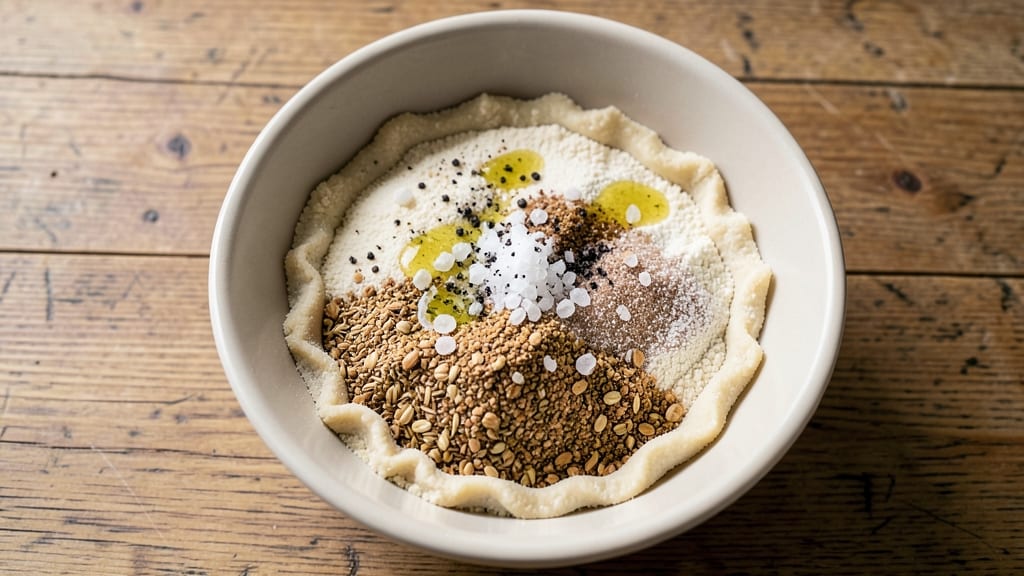
The American Heart Association pie crust recipe proves healthy eating doesn't mean sacrificing flavor—this version replaces butter with heart-smart olive oil while keeping the perfect flaky texture everyone loves.
I developed this after realizing traditional crusts often rely on saturated fats, and it's become my go-to for both fruit pies and savory tarts. The secret lies in chilling the dough properly and using a mix of whole-grain and all-purpose flour for better nutrition without compromising taste.
What makes this crust special is how it aligns with AHA guidelines while still delivering that classic pie crust experience. Olive oil replaces butter entirely, cutting saturated fat while adding subtle fruity notes that complement fillings beautifully.
The dough requires just 10 minutes of prep time and 30 minutes of chilling—no special equipment needed, just patience and precise technique. This is the kind of recipe that transforms how you think about healthy baking.
By the time you bake this crust, you'll have a golden, flaky shell that holds fillings perfectly without becoming soggy. The texture remains light and tender, with just enough structure to support both sweet fruit pies and rich vegetable-based fillings.
It's the foundation for desserts that actually support heart health without feeling like a compromise.
Pair it with seasonal fruit like apples or berries, or try a savory option with spinach and feta for a healthier twist on traditional pies. The possibilities are endless while keeping nutrition in mind. Let's get started with this heart-smart crust that tastes just like the original.
Ingredients for american heart association pie crust
Eight simple ingredients transform into a heart-healthy pie crust that rivals any traditional version.
| Ingredient | Amount | Notes |
|---|---|---|
| Extra-Virgin Olive Oil 🫒 | ¾ cup | High-quality, fruity variety preferred |
| All-Purpose Flour 🌾 | 1 ½ cups | White flour for lighter texture |
| Whole-Wheat Flour 🌾 | ½ cup | For added fiber and nutrition |
| Diamond Crystal Kosher Salt 🧂 | 1 tsp | Fine grain preferred |
| Granulated Sugar 🍚 | 1 tbsp | Balances sweetness in crust |
| Ground Black Pepper 🌶️ | ¼ tsp | Freshly ground enhances flavor |
| Ice Water 💧 | ½ cup | Cold water for proper dough consistency |
| Ice Cubes ❄️ | 1 cup | For chilling dough quickly |
The olive oil is non-negotiable here—look for extra-virgin with a fruity aroma, like California Avocado Ranch or Colavita. Whole Foods and Trader Joe's carry excellent options. The flour blend matters too: half whole-wheat adds fiber without sacrificing flakiness. I always measure flour by spooning it into the cup and leveling it off—never scooping directly from the bag, or you'll end up with too much. The ice water and ice cubes are critical for proper dough texture and chilling—don't skip this step.
No extra-virgin olive oil? Light olive oil works in a pinch, though the flavor won't be as rich. Substituting all whole-wheat flour? Use 100% all-purpose for better texture, but lose some nutrition. Short on ice? Freeze water in a shallow container to make more cubes. The sugar and salt can be adjusted—reduce sugar by half if you prefer less sweetness, but keep the salt for flavor balance. For a gluten-free version, swap flours for a 1:1 gluten-free blend, but expect a slightly denser crust.
This dough needs at least 30 minutes of chilling—wrap it tightly in plastic and refrigerate. It keeps for up to 3 days in the fridge, or you can freeze it for up to 3 months. I like to portion it into two discs and freeze one for later use. When ready to bake, let it sit at room temperature for 10-15 minutes before rolling. The crust reheats beautifully too—just warm it in the oven for 5 minutes at 350°F before adding filling.
Why You'll Love This Recipe
- No-Fuss Assembly: This crust comes together with just oil, flour, and a pinch of salt—no butter fussing, no chilling drama. Honestly, I’ve made it while scrolling through my phone, and it still turns out flaky.
- Olive Oil Magic: That bright, fruity olive oil makes all the difference—it keeps the crust tender without going soggy. Between us, it’s the secret weapon in my freezer-friendly pies.
- Healthy(ish) Flexibility: Whole-wheat flour sneaks in nutrients while still holding shape, and it’s perfect for savory pies or desserts. I’ll be real: my kids ask for seconds, even when I tell them it’s “good for them.”
- Budget-Friendly Staples: You’re already using pantry basics—no specialty ingredients, no markup. That jar of olive oil? It stretches across pies, salads, and roasted veggies for weeks. Solid move.
Step-by-step instructions for american heart association pie crust recipe
This healthier crust delivers all the flaky perfection you crave—just with smart swaps that keep your heart happy.
Combine Dry Ingredients for Optimal Texture
In a large mixing bowl, whisk together the 1.5 cups all-purpose flour and 0.5 cup whole-wheat flour until evenly distributed. This blend gives you that signature pie crust texture while boosting fiber content. Add the 1 tsp diamond crystal kosher salt, 1 tbsp granulated sugar, and 0.25 tsp ground black pepper, then whisk again until fully incorporated.
Here's the thing—whole-wheat flour absorbs moisture differently than all-purpose, so we combine them to maintain that tender yet sturdy crust. The sugar isn't just for sweetness; it helps create a slightly crispier edge while balancing the earthy notes from the olive oil. Don't skip the pepper—it adds subtle depth that elevates the entire crust.
Cut in the Olive Oil for Flaky Layers
Add the 0.75 cup extra-virgin olive oil to the dry mixture and use a pastry cutter or your fingers to work it into the flour until the texture resembles coarse crumbs with pea-sized oil droplets. This is where the magic happens—the oil creates those signature flaky layers when baked.
Don't overwork the mixture here. You're looking for a sandy texture where the oil is evenly distributed but still visible in small pockets. If you press the dough together too much, you'll develop gluten and lose that delicate flakiness. The olive oil replaces traditional butter while providing similar moisture and richness with heart-healthy fats.
Add Ice Water Gradually for Perfect Dough
Place the 1 cup ice cubes in a small bowl and let them melt into 0.5 cup ice water (this keeps the water cold). With a fork, gradually add the ice water to the flour mixture, one tablespoon at a time, mixing gently after each addition until the dough just comes together.
This is critical—you want the dough to hold when pressed but not be sticky. If it feels too dry, add another teaspoon of ice water. If it's too wet, sprinkle in an extra tablespoon of flour. The ice water prevents the dough from warming up too quickly, which helps maintain those beautiful flaky layers during baking.
Chill the Dough for Maximum Flakiness
Shape the dough into a disk, wrap it tightly in plastic wrap, and refrigerate for at least 1 hour (or up to 24 hours). This chilling period is non-negotiable—it allows the gluten to relax and the fats to firm up, which prevents shrinking and ensures those perfect layers when baked.
Real talk: Skipping this step leads to a tough, dense crust. The cold also helps the whole-wheat flour behave more like all-purpose flour during baking. When you're ready to roll out, the dough should be cold but pliable—if it's too stiff, let it sit at room temperature for 5-10 minutes before handling.
Pro Tips For Making American Heart Association Pie Crust
- Chill the Dough: DESCRIPTION: This recipe’s olive oil-rich crust needs at least 30 minutes in the fridge—no cutting corners. I used to skip it because I was eager to bake, but the flaky layers? Nonexistent. Cold dough behaves better when rolling, and the whole-wheat flour absorbs moisture differently when it’s not at room temperature.
- Measure Salt Precisely: DESCRIPTION: Diamond Crystal kosher salt is fluffy—don’t eyeball it. Use the scoop-and-level method for the ½ teaspoon called for. Too little, and the crust tastes bland; too much, and the whole-wheat flour’s nuttiness gets overpowered. Trust the recipe here.
- Avoid Overworking the Dough: DESCRIPTION: The second you start folding and pressing the dough, stop. Whole-wheat flour makes it tougher faster than all-purpose, and this crust relies on tender layers. Handle it like you’re tucking in a baby—gentle and just enough to seal the edges.
- Brush with Olive Oil: DESCRIPTION: Before baking, lightly brush the bottom crust with a teaspoon of extra-virgin olive oil. It adds richness and prevents the whole-wheat flour from drying out too quickly. (Yes, even if the recipe doesn’t say it—this is the upgrade no one mentions.)
Common mistakes when making your american heart association pie crust
Overworking the Dough
This is the #1 mistake I see—people handle the dough too much when mixing or rolling. Every time you press, fold, or knead, you develop gluten, which makes the crust tough instead of flaky.
Once the dough comes together after adding ice water, handle it as little as possible. For rolling, use a light touch and lift the dough instead of dragging it across the surface. 💪
Skipping Chill Time
Rushing the 1-hour chill is a fast track to a dense, shriveled crust. The cold rest period lets the gluten relax and the olive oil firm up, creating those perfect layers.
If you're short on time, freeze the dough for 20 minutes—it works in a pinch, but refrigerating is ideal. Never skip this step, even if you're eager to bake!
Using Warm Ingredients
Room-temperature olive oil or flour can make the dough too soft, leading to a greasy, uneven crust. Always use cold ingredients: chill your mixing bowl in the freezer for 10 minutes before starting, and keep your ice water on hand.
The contrast in temperatures helps create those signature flaky layers. I learned this the hard way after my first attempt with warm oil!
Incorrect Rolling Technique
Rolling from the center outward creates uneven thickness, causing some areas to bake faster. Instead, roll from the edges inward, rotating the dough 90 degrees after each pass. Use a light rolling pin (like OXO Good Grips) and apply even pressure.
If the dough resists, let it warm up slightly—never force it. A ¼-inch thickness is ideal for most pies.
Overfilling the Crust
Stuffing the crust too full causes it to burst or become soggy. Leave at least ½ inch of headspace at the top before baking. For fruit pies, I recommend ⅔ capacity.
If you're blind-baking, use pie weights or dried beans to prevent puffing. The crust should support the filling, not fight it.
Baking Without Parchment
Forgetting parchment paper leads to a crust that browns too quickly on the bottom. Line your pie dish with parchment before adding the dough, then remove it after 15 minutes of baking.
This prevents a burnt bottom while still achieving that golden top. I always keep a roll of Kirkland parchment paper handy for this exact purpose. 🔥
Nutrition facts
Frequently asked questions
Why does this recipe use olive oil instead of butter?
The American Heart Association recommends replacing saturated fats with healthier oils, and extra-virgin olive oil delivers rich flavor while cutting artery-clogging fats. It also creates that signature flaky texture without the cholesterol found in butter. The fruity notes even enhance fruit-based pie fillings beautifully.
Can I make this crust gluten-free?
Yes, but expect a slightly denser texture. Replace the flour blend with a 1:1 gluten-free baking flour mix (like Bob's Red Mill) and reduce the ice water by 1-2 tablespoons. Gluten-free crusts need extra moisture to prevent cracking. For best results, use a pie dish with removable bottom.
How do I prevent the crust from shrinking during baking?
Never skip the 1-hour chill time—this relaxes the gluten and prevents shrinking. Also, roll the dough to ¼-inch thickness and place it in the pie dish, then gently press the edges to create a seal. For extra insurance, blind-bake the crust for 10 minutes before adding filling.
What's the best way to store leftover crust?
Wrap the dough tightly in plastic and refrigerate for up to 3 days, or freeze for 3 months. For frozen crust, thaw overnight in the fridge before rolling. To reheat a baked crust, warm at 350°F for 5 minutes—perfect for adding fresh fillings later.
Can I use this crust for savory pies?
The olive oil and whole-wheat flour work beautifully with spinach-feta, roasted vegetable, or mushroom fillings. For extra flavor, add 1 tsp dried herbs (like thyme or rosemary) to the dough. Brush the baked crust with a little more olive oil before adding savory toppings for enhanced richness.